Key comics: 52 issues that made the characters
First appearances, first costumes and the turning points collectors chase, from 1938 to now. Each one has its own story: who made it, what happens in it, and why it became a key. Where VeVe's comic store sells that series, the last column takes you there - most single issues cost less than the US$10 new-collector credit.
| Why it matters | Read on VeVe | ||
|---|---|---|---|
| 1938 | 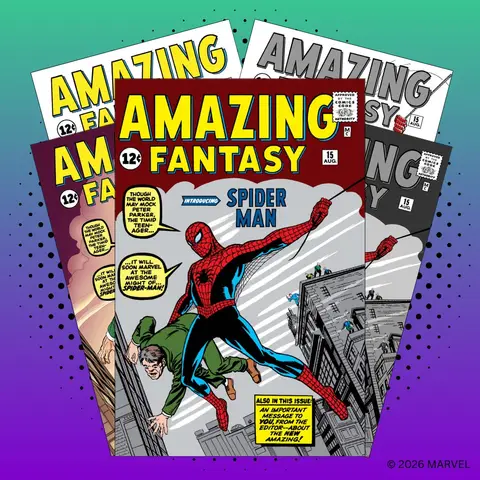 Action Comics #1 Action Comics #1 | Superman arrived in an anthology cover dated June 1938. The issue, the $130 that bought him, and why the first appearance became the hobby's founding idea. | History only |
| 1939 | Detective Comics #27 | Batman first appeared in Detective Comics #27 in 1939. The Kane and Finger story, why the issue is worth millions, and how it shaped collecting. | History only |
| 1939 |  Marvel Comics #1 Marvel Comics #1 | Before there was a Marvel, there was Timely, and before there was Timely, there was one anthology issue with an android and a sea king in it. | Comic store |
| 1940 |  Aladdin #1 Aladdin #1 | Disney comics go back to 1940 and once outsold every superhero on the rack. Why they are collected by creator and story rather than by first appearance. | Comic store |
| 1941 |  Captain America Comics #1 Captain America Comics #1 | Joe Simon and Jack Kirby put Captain America on a cover slugging Adolf Hitler nearly a year before America entered World War Two. | Comic store |
| 1952 | 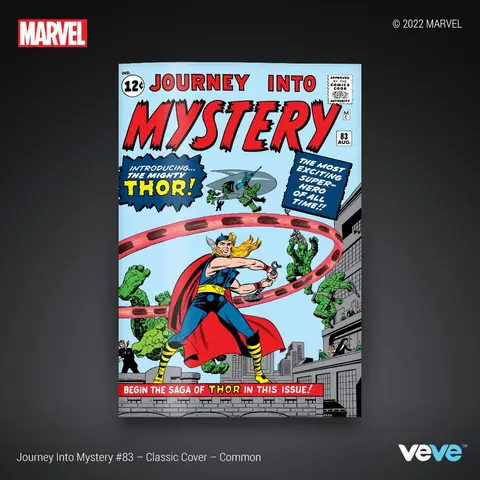 Journey into Mystery #1 Journey into Mystery #1 | Atlas launched Journey into Mystery in 1952 as a horror anthology. Thor arrived in issue #83, a decade later. The gap explains why early copies are scarce. | Comic store |
| 1961 | 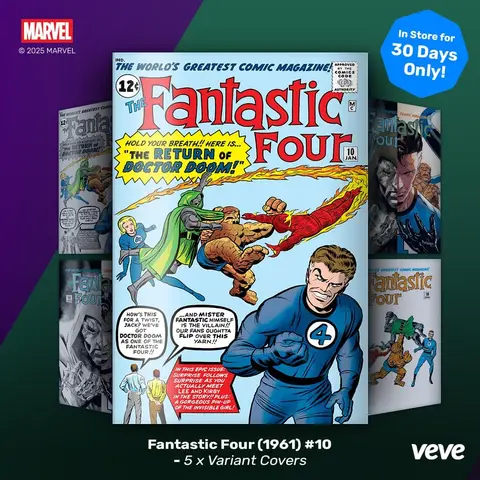 Fantastic Four #1 Fantastic Four #1 | In 1961, Stan Lee and Jack Kirby made superheroes argue with each other. Fantastic Four #1 is the Silver Age cornerstone, and it is readable on VeVe today. | Comic store |
| 1962 | 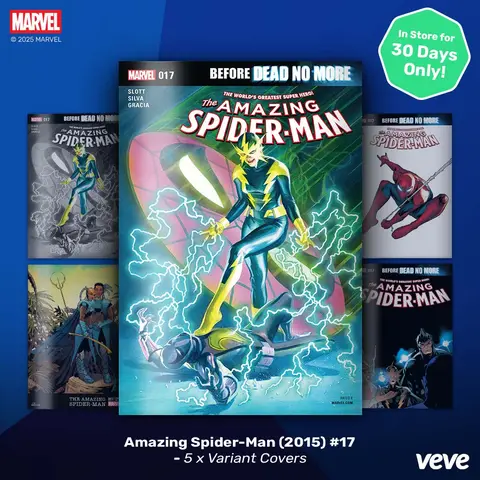 Amazing Fantasy #15 Amazing Fantasy #15 | Spider-Man's 1962 debut is the most famous first appearance in comics - the hobby's ultimate rookie card. Why it matters, and how collectors own that story today. | Comic store |
| 1962 | 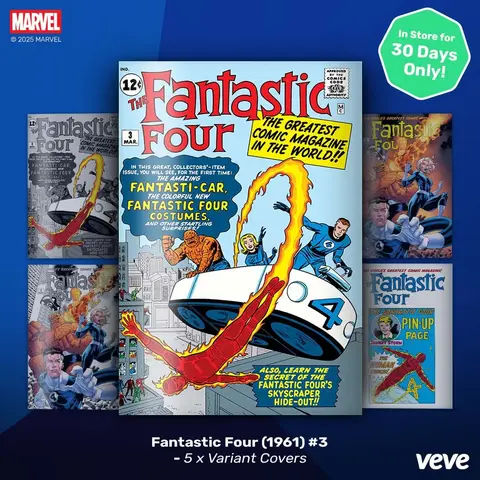 Fantastic Four #3 Fantastic Four #3 | Cover dated March 1962, Fantastic Four #3 handed the team blue uniforms, the Fantasti-Car and a headquarters. It is where Marvel learned what a franchise needs. | Comic store |
| 1962 | 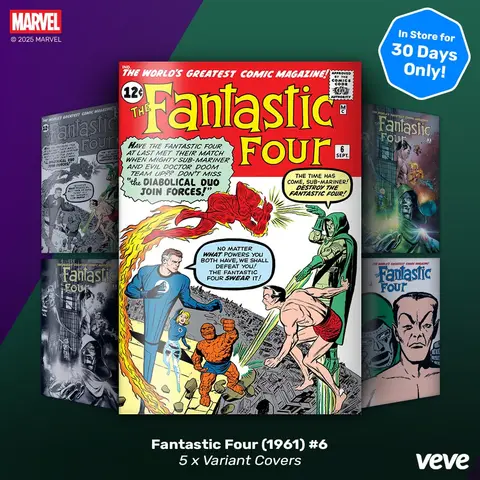 Fantastic Four #6 Fantastic Four #6 | Doctor Doom and Namor join forces in Fantastic Four #6, September 1962, and drag the Baxter Building into orbit. The first villain alliance of the Marvel age. | Comic store |
| 1962 | 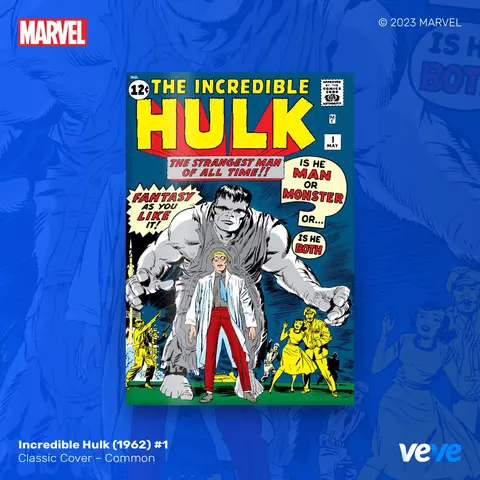 Incredible Hulk #1 Incredible Hulk #1 | He was grey, he changed at nightfall, and his book was canceled after six issues. The strange, badly printed first year of Marvel's most famous failure. | Comic store |
| 1962 |  Journey into Mystery #83 Journey into Mystery #83 | Stan Lee, Larry Lieber and Jack Kirby took a Norse god and gave him a limp and a walking stick. That single choice is why the character survived. | Comic store |
| 1962 | Tales to Astonish #27 | Stan Lee, Larry Lieber and Jack Kirby introduced Henry Pym and a shrinking formula months before anyone put him in a costume. | - |
| 1963 | 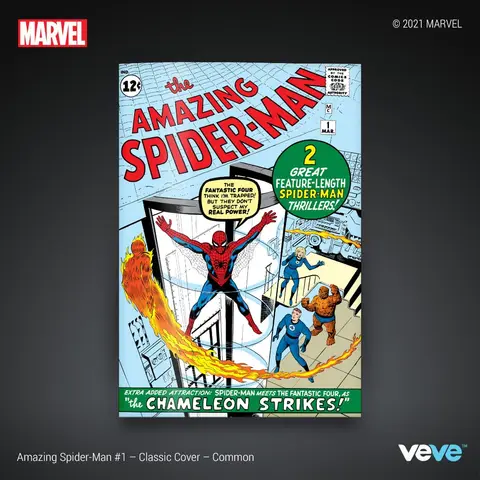 Amazing Spider-Man #1 Amazing Spider-Man #1 | Spider-Man's own title launched in March 1963 with J. Jonah Jameson, the Chameleon, and a broke teenager asking the Fantastic Four for a job that paid. | Comic store |
| 1963 | 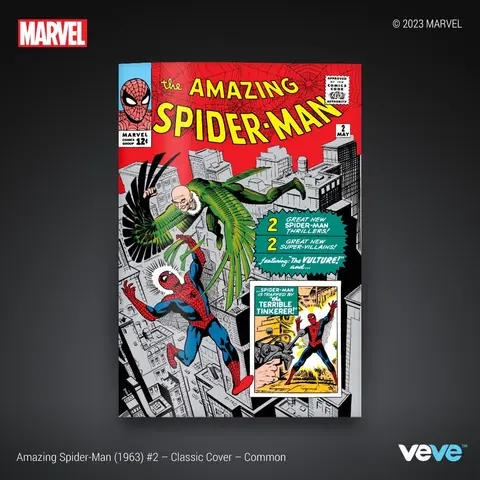 Amazing Spider-Man #2 Amazing Spider-Man #2 | An old man in a feathered set of wings became Spider-Man's first recurring villain in May 1963, and the design has outlived almost everything around it. | Comic store |
| 1963 | 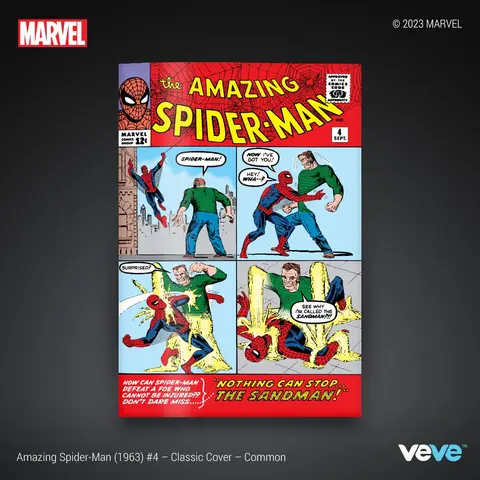 Amazing Spider-Man #4 Amazing Spider-Man #4 | Flint Marko arrives in September 1963 as a villain with no fixed shape, and Betty Brant arrives in the same issue. Steve Ditko had to draw both of them. | Comic store |
| 1963 | 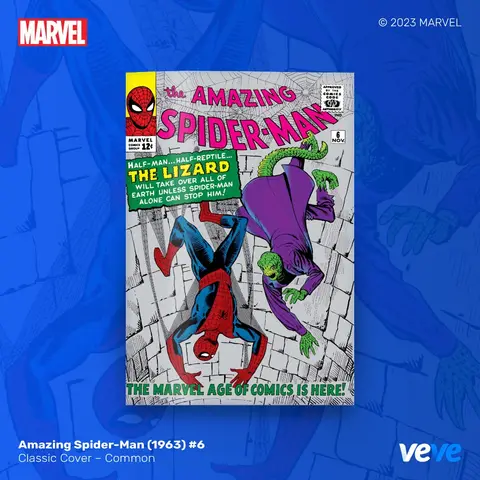 Amazing Spider-Man #6 Amazing Spider-Man #6 | Curt Connors wanted his arm back. The November 1963 issue that followed him into the Everglades gave Marvel a villain who has to be cured instead of beaten. | Comic store |
| 1963 | Fantastic Four #10 | Stan Lee and Jack Kirby drew themselves into Fantastic Four #10 and let Doctor Doom walk in the door. Meta-fiction in a twelve-cent comic, twenty years early. | Comic store |
| 1963 | Strange Tales #110 | Stan Lee and Steve Ditko buried a five-page horror story in the back of an anthology comic. It introduced Marvel's strangest hero and nobody noticed at first. | Comic store |
| 1963 | 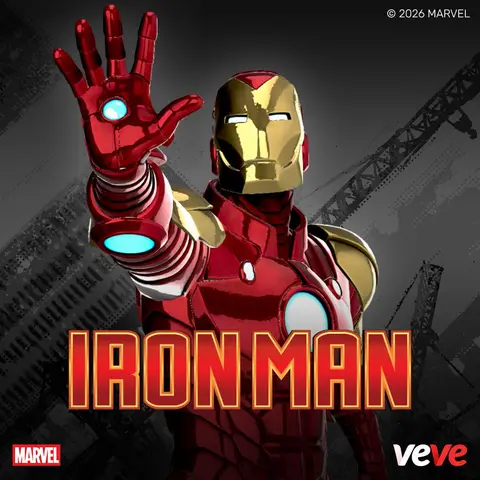 Tales of Suspense #39 Tales of Suspense #39 | Stan Lee, Larry Lieber, Don Heck and Jack Kirby built a Cold War arms dealer into a hero inside one 1963 anthology issue. Here is what actually happened in it. | Comic store |
| 1963 | 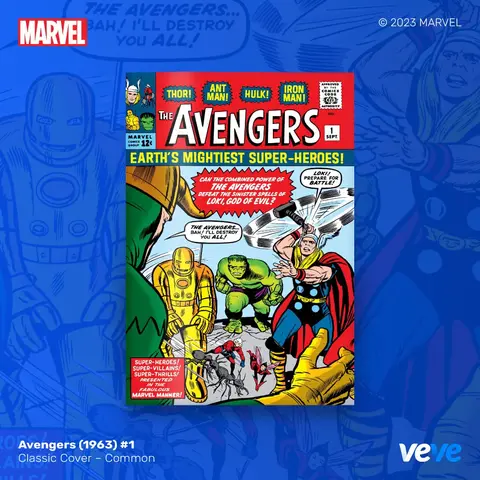 Avengers #1 Avengers #1 | Marvel's biggest franchise began as a scheduling solution: five solo characters, one villain's grudge, and a roster that was designed to keep changing. | Comic store |
| 1963 | 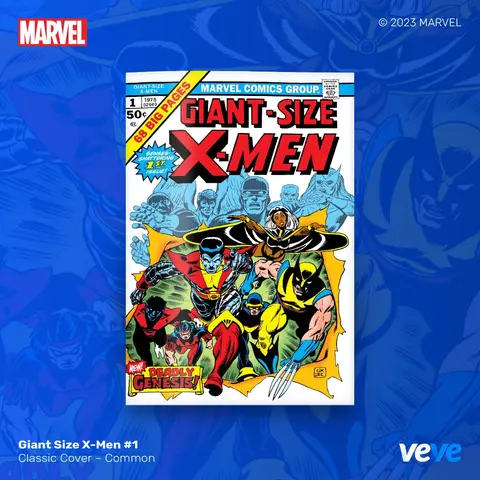 X-Men #1 X-Men #1 | Stan Lee and Jack Kirby built a team around a word, mutant, that let every future writer turn the X-Men into an argument about prejudice. | Comic store |
| 1964 | 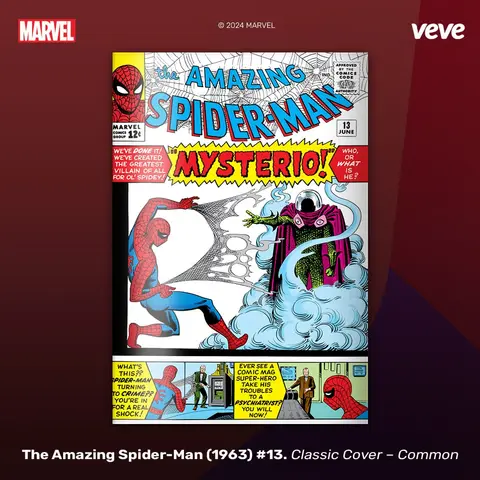 Amazing Spider-Man #13 Amazing Spider-Man #13 | A Hollywood effects man decided the effects were the superpower. Quentin Beck arrived in June 1964 with no superhuman abilities and has never once needed any. | Comic store |
| 1964 | Avengers #4 | Stan Lee and Jack Kirby pulled a frozen soldier out of the ice and rebuilt the Avengers around him inside a single 1964 issue. | Comic store |
| 1964 | Daredevil #1 | Stan Lee and Bill Everett gave Marvel a blind lawyer with radar senses and a yellow costume nobody liked. Daredevil #1 is where all of it started. | Comic store |
| 1966 | Fantastic Four #48 | Jack Kirby wanted a god for the Fantastic Four to fight and invented two characters instead of one. Fantastic Four #48 is where cosmic Marvel begins. | Comic store |
| 1966 | 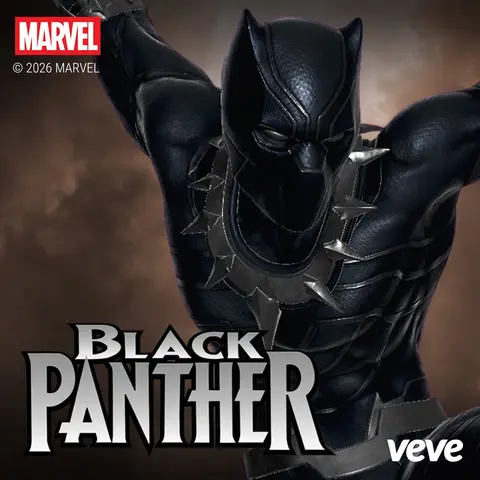 Fantastic Four #52 Fantastic Four #52 | Stan Lee and Jack Kirby introduced what is widely credited as the first Black superhero in mainstream American comics inside a Fantastic Four issue in the summer of 1966. | Comic store |
| 1966 | Thor #134 | Thor (1966) #134 drops Thursday 24 September at 8AM PT as a $6.99 blind box, and it is the first appearance of one of Marvel's strangest cosmic minds. | Comic store |
| 1967 | 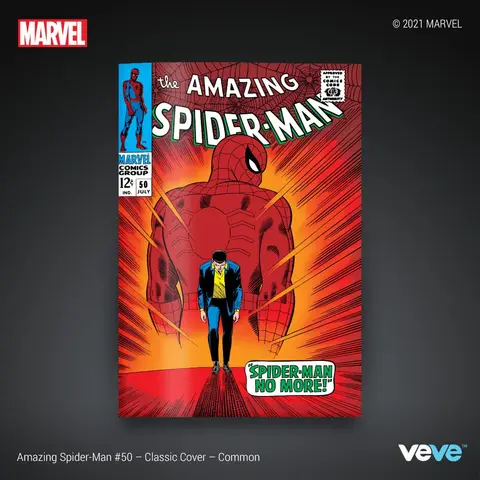 Amazing Spider-Man #50 Amazing Spider-Man #50 | The issue that gave comics its most copied image and gave Marvel the Kingpin. Why a businessman in a white suit outlasted most of the costumed villains. | Comic store |
| 1968 | Avengers #57 | Roy Thomas and John Buscema introduced a synthetic being sent to kill the Avengers from the inside, and the team recruited him instead. | Comic store |
| 1969 | 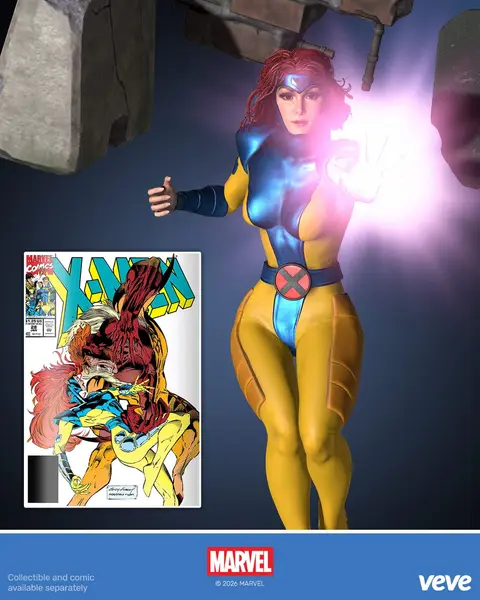 X-Men #60 X-Men #60 | A doctor who drains life and turns into a pterodactyl, drawn by Neal Adams in 1969, in a book Marvel was about to cancel. The strangest key in X-Men collecting. | Comic store |
| 1969 | 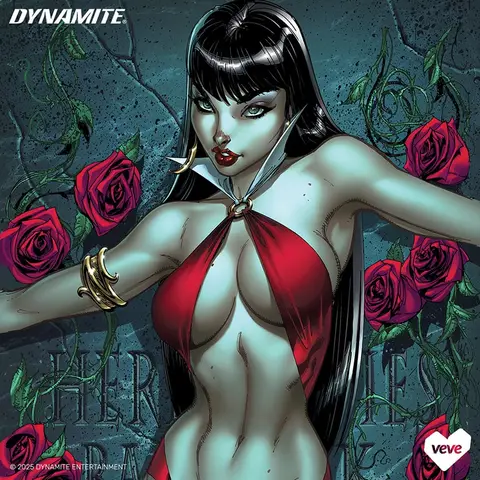 Vampirella #1 Vampirella #1 | Vampires were banned in American comics from 1954. Warren published in magazine format to get around it, and in 1969 put Frazetta on the cover of issue one. | Comic store |
| 1973 | Iron Man #55 | Jim Starlin introduced Marvel's most enduring cosmic villain in an Iron Man issue nobody expected to matter this much. Iron Man #55 is where Thanos started. | Comic store |
| 1974 | Amazing Spider-Man #129 | Gerry Conway and Ross Andru built a Spider-Man villain who was not really a villain at all. Amazing Spider-Man #129 is where the Punisher started. | Comic store |
| 1974 | 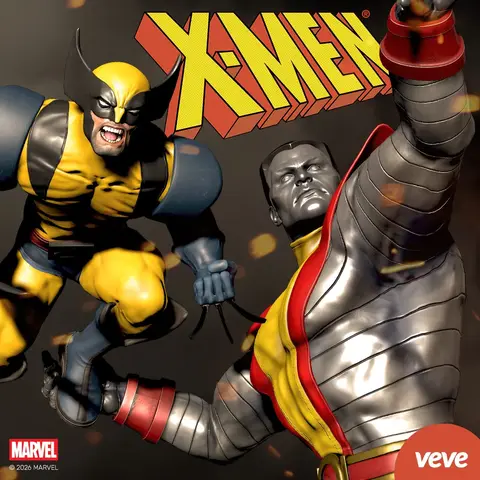 Incredible Hulk #180 Incredible Hulk #180 | Wolverine appears on the last page of Incredible Hulk #180 for a handful of panels. Collectors have argued for decades about which issue is the real debut. | Comic store |
| 1974 | Incredible Hulk #181 | Wolverine's 1974 first appearance in Incredible Hulk #181 is the Bronze Age key comic. How a throwaway villain became the most popular X-Man, and how fans own it. | Comic store |
| 1975 | Giant-Size X-Men #1 | In 1975 the X-Men were a canceled book running reprints. One oversized issue introduced Storm, Colossus, and Nightcrawler, and saved the franchise for good. | Comic store |
| 1975 | Werewolf by Night #32 | Doug Moench and Don Perlin built a mercenary hired to hunt a werewolf, and Marvel kept finding reasons to bring him back long after the job was finished. | Comic store |
| 1976 | Howard the Duck #1 | Steve Gerber and Frank Brunner gave Marvel a talking duck with real opinions in 1976, and VeVe's digital edition dropped as a $6.99 blind box. | - |
| 1977 | 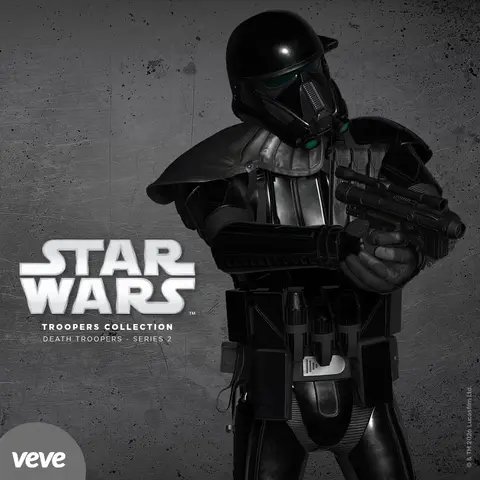 Star Wars #1 Star Wars #1 | Roy Thomas and Howard Chaykin adapted a film nobody was sure would work, and the comic ended up on newsstands before most people had seen the movie at all. | Comic store |
| 1979 | 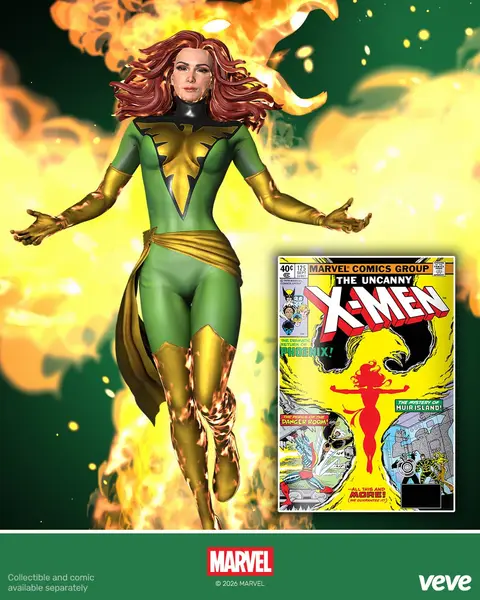 X-Men #125 X-Men #125 | September 1979, Claremont and Byrne open the Proteus story on Muir Island. Four issues later the X-Men become the biggest franchise in comics. Here is why. | Comic store |
| 1984 | 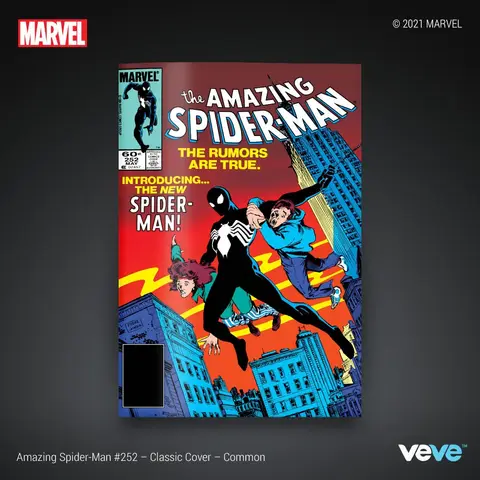 Amazing Spider-Man #252 Amazing Spider-Man #252 | A costume change with no explanation, a cover that borrows from Fantastic Four #1, and a fan idea Marvel bought for $220. How a color swap became Venom. | Comic store |
| 1984 | 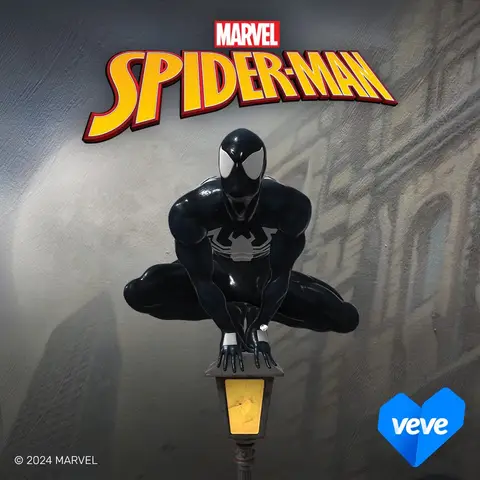 Secret Wars #8 Secret Wars #8 | Jim Shooter and Mike Zeck sent Spider-Man to an alien planet and brought him home with a new suit that turned out to be alive. | Comic store |
| 1984 | 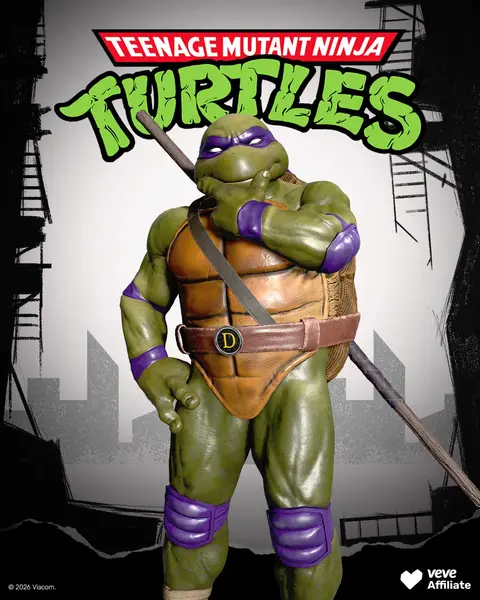 TMNT #1 TMNT #1 | Kevin Eastman and Peter Laird printed a parody of Daredevil and the New Mutants out of a house in New Hampshire, and it became one of the most valuable comics of the modern age. | - |
| 1988 | 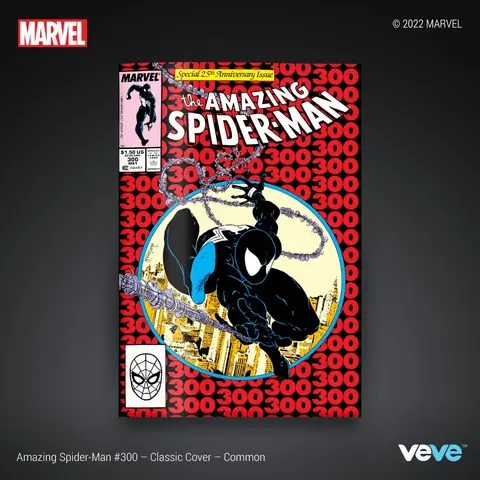 Amazing Spider-Man #300 Amazing Spider-Man #300 | Todd McFarlane's anniversary issue gave Marvel its biggest new villain in twenty years, and it gave every artist since a template for drawing Spider-Man. | Comic store |
| 1989 | 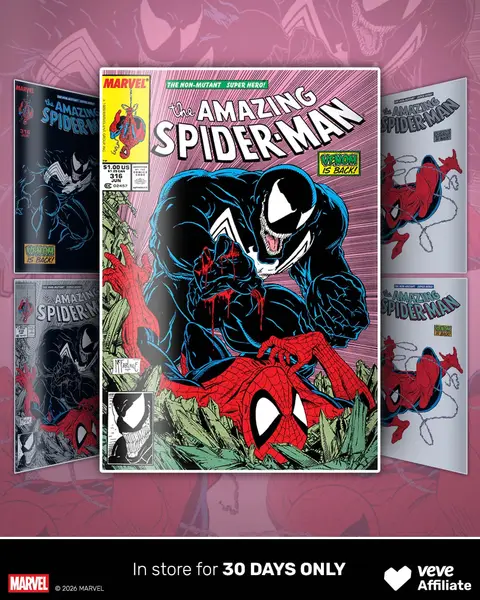 Amazing Spider-Man #316 Amazing Spider-Man #316 | The follow-up to issue #300 gave Todd McFarlane a second run at Venom, and this time the symbiote filled the whole frame. | Comic store |
| 1990 | Uncanny X-Men #266 | Chris Claremont and Mike Collins introduced a Cajun thief with a kinetic-charged deck of cards, and the X-Men line never quite closed the door on him again. | Comic store |
| 1991 | 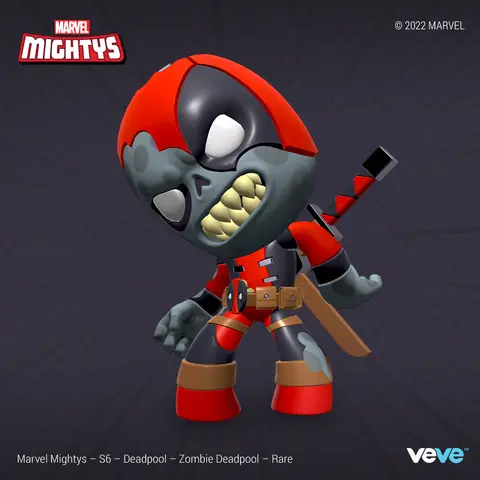 New Mutants #98 New Mutants #98 | Rob Liefeld and Fabian Nicieza built a hired gun to fight Cable, and by the time the issue closed Deadpool had already outgrown the assignment. | Comic store |
| 2011 | 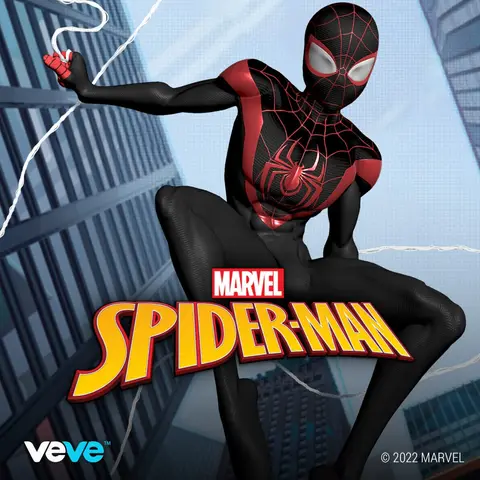 Ultimate Fallout #4 Ultimate Fallout #4 | Brian Michael Bendis and Sara Pichelli answered the question the Ultimate line had just asked itself: who wears the mask now that Peter Parker is gone. | Comic store |
| 2013 | Age of Ultron #10 | The finale issue kept its ending secret from its own artists, and VeVe's digital edition arrived with five cover variants across 1,000 editions. | - |
| 2014 | 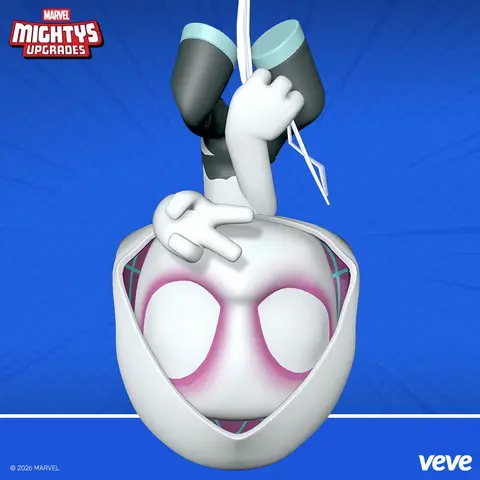 Edge of Spider-Verse #2 Edge of Spider-Verse #2 | Jason Latour and Robbi Rodriguez asked what happens if the spider bites Gwen Stacy instead of Peter Parker, and the answer became one of Marvel's biggest breakout characters. | Comic store |
| 2014 | Ms. Marvel #1 | G. Willow Wilson and Adrian Alphona built the origin nobody expected Marvel to greenlight, and it became one of the publisher's most-praised debuts of the decade. | Comic store |
No key comics match that search.
Affiliate partner link - we may earn a commission at no cost to you. New collectors get US$10 free credit; terms apply on VeVe's site. No card required. Full disclosure.