New Mutants #98: the comic that started Deadpool
New Mutants #98, cover dated February 1991, is the first appearance of Deadpool. Rob Liefeld drew it and co-created the character with writer Fabian Nicieza as a mercenary hired to kill Cable, and it remains one of the most collected comics of the 1990s.
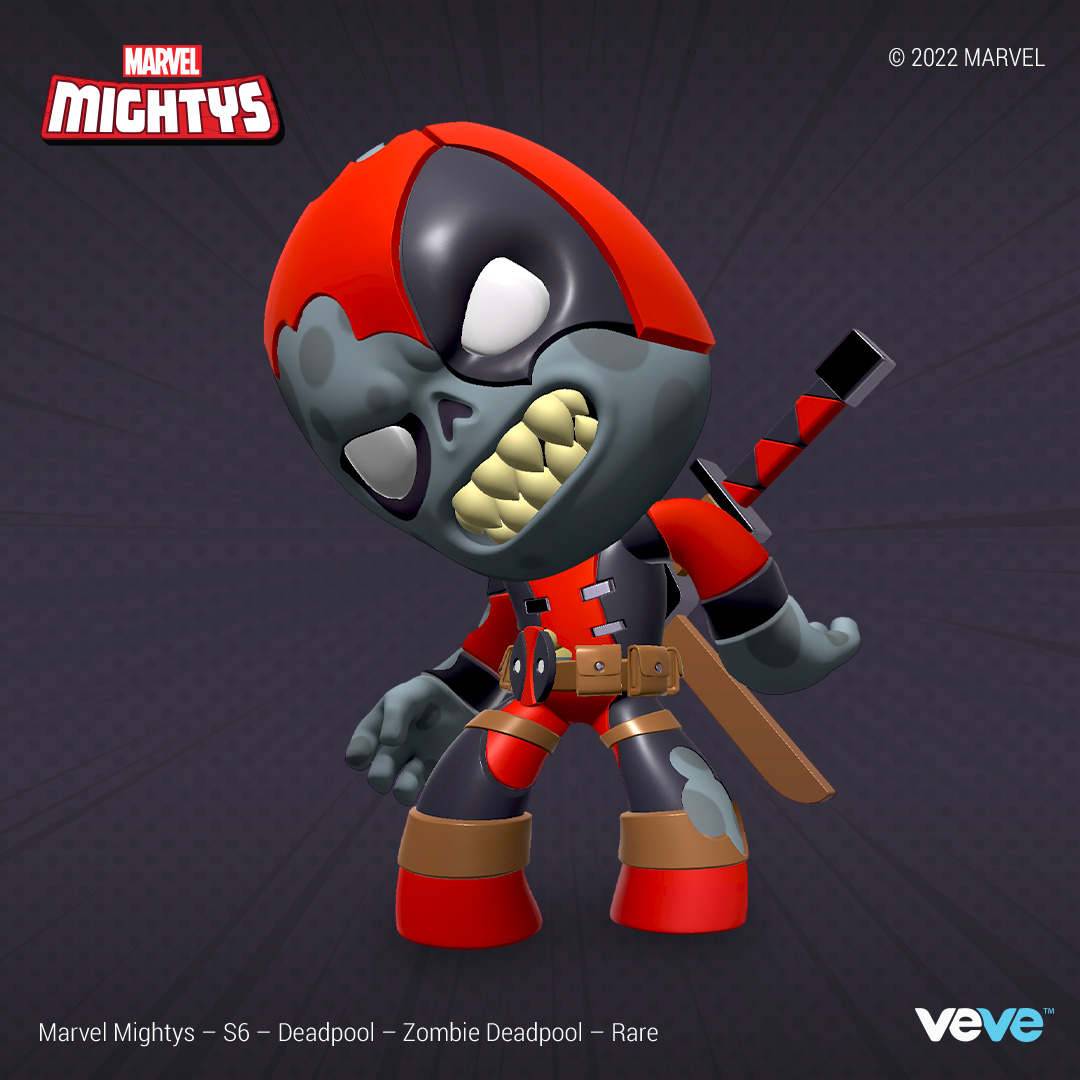
A red and black mercenary walks into a New Mutants comic to kill Cable, gets the job half done, and never leaves the building again. New Mutants #98 carries a February 1991 cover date, and the character Rob Liefeld and Fabian Nicieza built for one appearance turned into the loudest voice in the Marvel line.
What happens in the issue
The New Mutants, in the process of becoming X-Force under Cable’s leadership, run into Deadpool on assignment from the arms dealer Tolliver. He is fast, heavily armed, talks constantly, and treats a fight like a performance for an audience that is not there. He does not win. He also does not really lose. Deadpool leaves the issue alive, unbothered, and clearly not finished with anyone in that book.
Liefeld has said in interviews that he sketched the character’s look with Deathstroke, DC’s mercenary antihero, sitting somewhere in his head, and that Nicieza wrote the voice to match: motormouthed, self-aware, funny in a way none of Marvel’s other 1990s mercenaries were allowed to be. His real name, Wade Wilson, came later, in X-Force. What he got here, in #98, was the mask, the swords, and the first draft of the joke.
Why this hired gun and not another
Marvel spent the early 1990s minting mercenaries. Cable’s own supporting cast is full of them. Deadpool worked because he refused to sit still inside the genre he was hired to serve. Every other gun for hire in that era played it straight. Deadpool cracked jokes mid-fight, addressed the absurdity of his own job, and read, even in his first outing, like a character who knew he was in a comic. That self-awareness had nowhere to go in a team book built around Cable’s grim continuity. It needed its own title to breathe.
From cameo to franchise
Deadpool got a four-issue miniseries in 1993, then an ongoing series in 1997 written by Joe Kelly with art by Ed McGuinness, the run that actually built the character readers know now: the fourth-wall breaks, the mercenary-with-a-conscience arc, the constant riffing on the rest of the Marvel line. That book is where “the Merc with a Mouth” stopped being a Liefeld design and became a voice.
The 2016 film starring Ryan Reynolds took the character wide, grossing more than $780 million worldwide and proving an R-rated superhero comedy could be a tentpole. Two sequels followed, including a 2024 crossover with Wolverine that became one of the highest-grossing films of that year. None of it happens without one appearance in a mutant team book nobody expected to matter.
Collecting the debut
New Mutants #98 arrived as the early 1990s comics boom was building, when print runs were already large and speculators were buying multiples on spec. That means raw copies are not hard to find. What is hard to find is a copy that survived three decades of handling with sharp corners and no spine stress, because nobody in 1991 treated a New Mutants back issue as anything precious.
Demand tracks the character’s screen presence closely. Prices for high-grade CGC copies moved noticeably around the character’s 2016 film debut and again with each sequel, with major auction houses regularly moving pristine copies for four and five figures during those windows. It is a modern print-run book made valuable almost entirely by what the character became rather than by scarcity.
What the digital side looks like
VeVe’s Marvel catalog runs across comics and character pieces, tracking figures and artworks for the roster Marvel has licensed out over the past several years. A licensed digital piece works differently from a back-issue hunt: it is a numbered edition tied to a public ledger rather than a graded slab, something you display and read in the app rather than store in a long box. If the mechanics of editions and rarity tiers are new to you, VeVe’s rarity tiers and what mint numbers mean both cover the ground.
Anyone curious what else is in that catalog can start a free VeVe account. New collectors get US$10 in credit toward a first piece, no card required, and the free credit page walks through how it works.
The character the cameo built
Deadpool is the rare case of a comic villain-for-hire who became more famous for breaking the rules of the story than for anything he did inside one. That instinct was already visible in a mutant team book cover dated February 1991, before anyone knew the name under the mask. Everything since has been Marvel figuring out how loud they could let him get.