Edge of Spider-Verse #2: the comic that created Spider-Gwen
Edge of Spider-Verse #2, published in 2014, introduced Gwen Stacy of Earth-65 as Spider-Woman, the character now known as Ghost-Spider. Jason Latour wrote it and Robbi Rodriguez drew it, reversing the classic Spider-Man origin so that Gwen gets the spider bite instead of Peter.
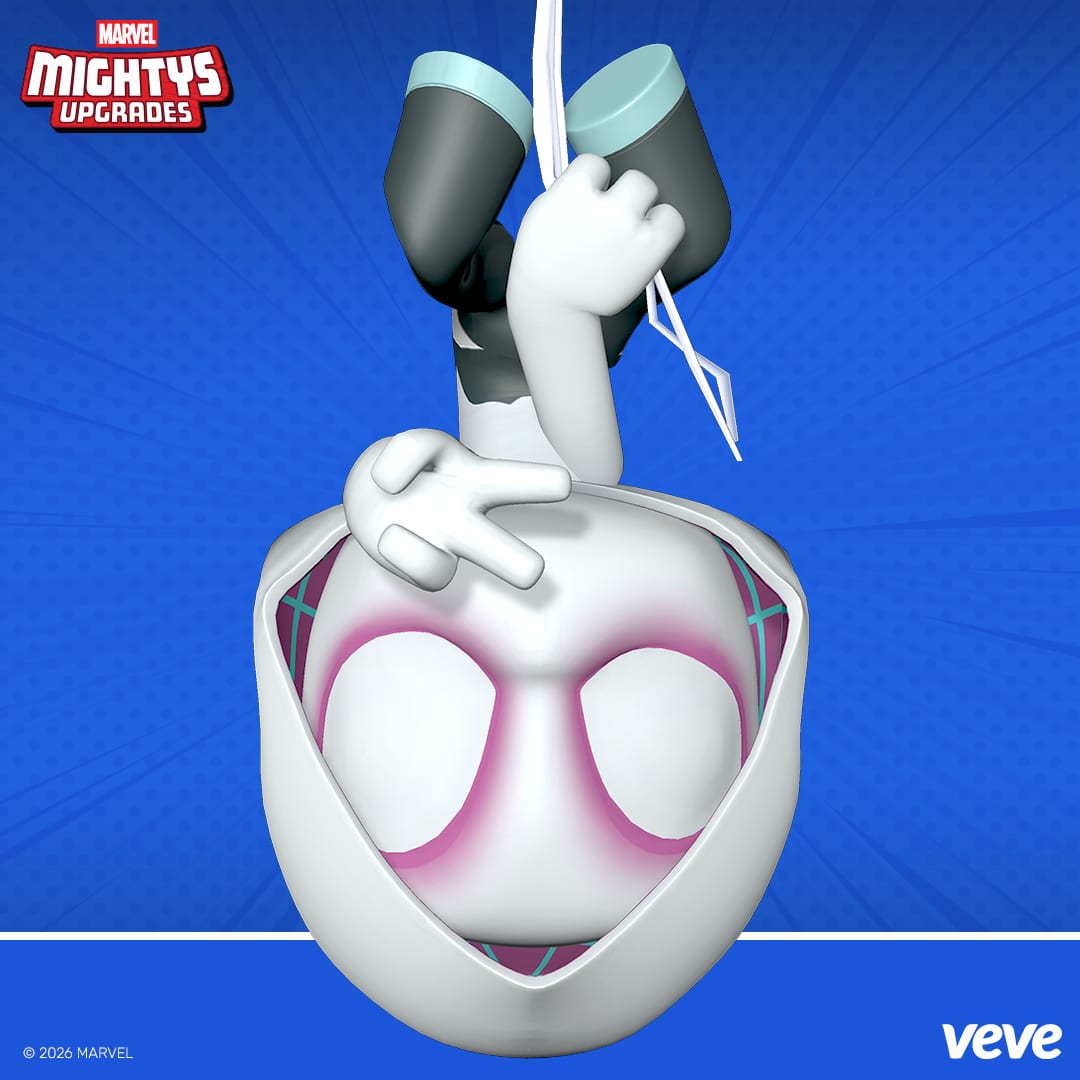
Gwen Stacy has died in Spider-Man comics before, famously and permanently, on a bridge in 1973. Edge of Spider-Verse #2 undid that fate by rewriting the whole premise: on this Earth, the radioactive spider bites her, not Peter. Jason Latour and Robbi Rodriguez published the issue in 2014 as one entry in a five-issue anthology miniseries built to introduce alternate Spider-heroes ahead of the larger Spider-Verse crossover, and it is the one everybody remembers.
What the issue actually does
On Earth-65, Gwen Stacy gets the spider bite that made Peter Parker a hero on Earth-616. She becomes a masked vigilante the tabloids dub Spider-Woman, drums in a band called the Mary Janes, and hides the whole double life from her police-captain father. Peter Parker exists in this world too, but as her friend rather than the hero, and the story’s tragedy runs through him instead of through her. Rodriguez drew the book with a loose, sketchy, almost punk-flyer energy that had nothing in common with the clean superhero house style Marvel usually reached for, and it became as much a part of the character’s identity as the story itself.
Why this version stuck
Marvel had run “what if the genders were swapped” premises before without much staying power. This one worked because Latour and Rodriguez treated Gwen as a full character rather than a costume swap: her home life, her band, her father’s fear of the masked vigilante he does not know is his daughter, all of it got real weight inside a single anthology chapter. The visual design helped just as much. The white-and-black costume with the pink accents, designed by Rodriguez, was distinctive enough that it started showing up on convention floors within months of the issue’s release, well before Marvel had committed to giving the character her own book.
From one-shot to ongoing franchise
Reader response pushed Marvel to keep her around through the full Spider-Verse crossover event and then into her own ongoing series in 2015, Spider-Gwen, still written by Latour. Marvel renamed the character Ghost-Spider in 2018, largely to avoid confusion with Jessica Drew’s Spider-Woman, and she kept the new codename through subsequent series and appearances. The character became a mainstream face outside comics through Sony’s animated Spider-Man: Into the Spider-Verse in 2018 and its sequel Across the Spider-Verse in 2023, both of which gave her a prominent supporting role using close to the original Rodriguez costume design.
The collecting picture
Edge of Spider-Verse #2 had a modest initial print run typical of a five-issue anthology miniseries nobody expected to break out, which is exactly why demand outran supply once word spread about the character inside it. Marvel went back to press with additional printings once the response became clear, and first-printing copies carry a real premium over those later runs, identifiable by cover details specific to that first release. It is a classic case of a low-profile modern book becoming a genuine key almost entirely on the strength of what happened inside it rather than any marketing push behind it.
Where the character lives on VeVe
Ghost-Spider sits in VeVe’s Marvel roster alongside the wider Spider-Man cast, and the platform’s comics catalog carries licensed digital editions of other key issues from this era of the character’s history. A digital piece here works as a numbered edition displayed and read in the app, its edition number logged on a public ledger rather than filed in a private database, a different kind of ownership than a graded back issue but one built for the same instinct to keep and show off a specific copy. What mint numbers mean covers the numbering side if it is unfamiliar.
To browse the app itself, start a free VeVe account. New collectors get US$10 in credit toward a first piece, no card required, explained on the free credit page.
The alternate Gwen who became the main one
Most “what if” characters stay inside the box they were built for. Spider-Gwen walked out of hers within a year, got her own continuity, her own supporting cast, and eventually her own animated blockbuster. The single anthology issue that started it is still the cleanest version of the pitch: same city, same bite, completely different life.