Strange Tales #110: Doctor Strange's First Appearance
Strange Tales #110, cover dated July 1963, introduced Doctor Strange in a five-page backup story. Stan Lee wrote it and Steve Ditko drew it, and VeVe's comic store carries officially licensed Marvel digital comics for readers who want to explore the wider catalogue.
Five pages, tucked behind the lead Human Torch story, no cover appearance, no fanfare. Doctor Strange’s introduction in Strange Tales #110 is one of the quietest debuts of any major Marvel character, and it is exactly the kind of quiet that Steve Ditko’s artwork thrived on.
What happens in the backup story
Doctor Strange arrives fully formed, a master of black magic in a Greenwich Village sanctum, with the Ancient One already in place as his teacher. A man plagued by recurring nightmares asks for help, and Strange projects his spirit into the dream world of Nightmare to find the cause. There is no origin here at all. That would come later, expanded across subsequent issues once the character proved worth the space.
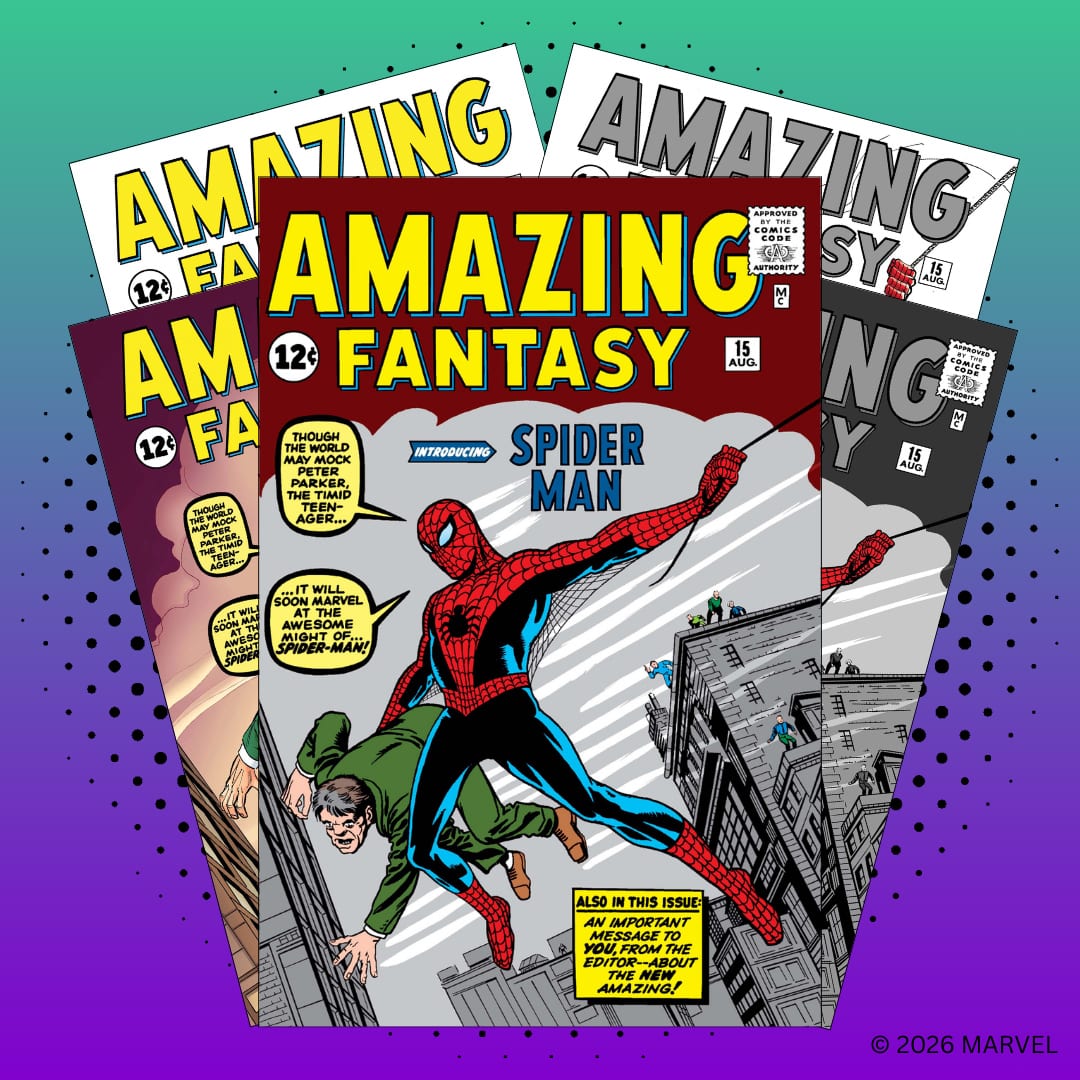
Lee later credited Ditko with bringing him the idea, a mysticism strip rather than another super-strength hero. Ditko, who had co-created Spider-Man in Amazing Fantasy #15 the year before and was drawing Amazing Spider-Man that same year, ran with it and built a visual language for magic that nothing in comics had attempted before.
Why Ditko’s art is the actual reason it worked
Ditko drew Doctor Strange’s magic as genuinely alien: architecture that bends at impossible angles, dimensions rendered as fields of dots and swirling energy rather than simple beams or sparks, demons with anatomy that does not resolve into anything familiar. Where Kirby’s cosmic work, arriving a few years later in Fantastic Four, stayed rooted in a kind of monumental science fiction grandeur, Ditko’s magic felt genuinely unsettling, closer to psychedelic horror than to superhero action.
That visual approach is what elevated a five-page backup feature into a character who eventually took over the entire Strange Tales anthology and then supported his own ongoing series. Readers had never seen anything drawn quite like it, and the mysticism gave Marvel a corner of its universe that none of its other heroes could occupy.
From backup feature to headliner
Doctor Strange’s stories grew steadily through the mid-1960s, taking over increasing amounts of Strange Tales’ page count until the character was given the full magazine, retitled Doctor Strange, in 1968. The origin, the arrogant surgeon whose hands were ruined in a car accident and who went looking for the Ancient One out of desperation, did not arrive until Strange Tales #115, and the mythology kept filling in from there, which is part of why the character’s mythology feels unusually layered for something built in monthly five-page installments.
Collecting the debut
Strange Tales #110 occupies an unusual place in Silver Age collecting because the character’s importance was not obvious for years after the issue’s release. It sold as a backup feature in an anthology led by a more established hero, which means fewer readers of the era were specifically seeking it out compared to something like Fantastic Four #1 or Amazing Fantasy #15.
Recognition caught up eventually. High-grade copies now bring strong prices at major auction houses, helped along by the character’s film career. As with most 1963 newsstand comics, high-grade survivors are scarce, and condition drives the price gap between a reading copy and a top-census example sharply.
Reading Marvel’s mystic side on VeVe
VeVe’s comic store carries officially licensed Marvel digital comics, and the right way to check for any Doctor Strange issues currently available is to look there directly. The glossary covers the terms around digital editions and rarity tiers if that side of collecting is unfamiliar, and the Marvel franchise hub is a good starting point for the wider catalogue VeVe has released.
To look around the app before deciding anything, start a free VeVe account. New collectors get US$10 in credit toward a first piece, no card required, and the free credit page has the details.
A character built to be strange, on purpose
Most Marvel debuts from 1963 announce themselves loudly, a cover, an origin, a fight scene. Doctor Strange arrived in five quiet pages at the back of somebody else’s book, and the strangeness of that entrance turned out to match the character exactly. Ditko was not decorating a story. He was inventing the visual grammar an entire corner of Marvel still uses.