News & Stories
135 pieces on drop coverage, character spotlights, and the history behind the grails - written for fans, checked before publish.
Nothing filed under that yet.
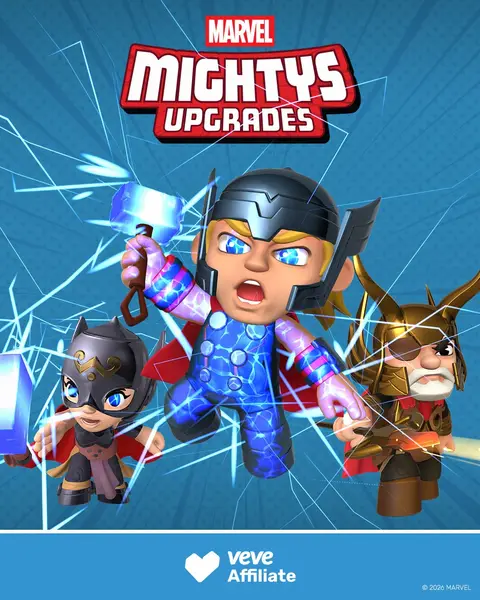
Thor #134 brings the High Evolutionary's debut to VeVe
Thor (1966) #134 drops Thursday 24 September at 8AM PT as a $6.99 blind box, and it is the first appearance of one of Marvel's strangest cosmic minds.
Every VeVe drop from late August through 24 September
A running list of what VeVe released across five weeks, from Avengers vs X-Men to Thor #134, with prices, edition counts, and what each piece actually is.
How to get your first VeVe comic with the $10 credit
New accounts get US$10 in Gems to spend on the VeVe Store or Market. Here is what that covers, what is unclear, and how to spend it on a first comic.
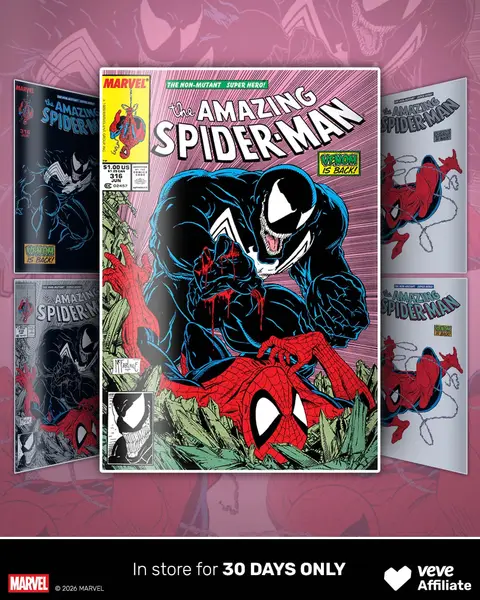
Amazing Spider-Man #316 and McFarlane's second Venom cover
The follow-up to issue #300 gave Todd McFarlane a second run at Venom, and this time the symbiote filled the whole frame.
Action Comics #1 and the first superhero
Superman arrived in an anthology cover dated June 1938. The issue, the $130 that bought him, and why the first appearance became the hobby's founding idea.

Aladdin #1 and the long history of Disney comics
Disney comics go back to 1940 and once outsold every superhero on the rack. Why they are collected by creator and story rather than by first appearance.
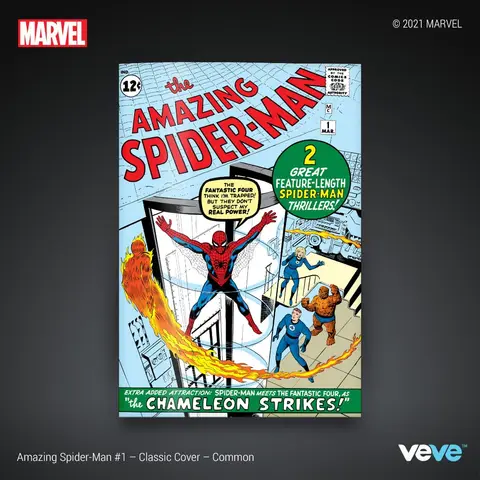
Amazing Spider-Man #1, the issue that made Spider-Man a series
Spider-Man's own title launched in March 1963 with J. Jonah Jameson, the Chameleon, and a broke teenager asking the Fantastic Four for a job that paid.
Amazing Spider-Man #129: The Punisher's First Appearance
Gerry Conway and Ross Andru built a Spider-Man villain who was not really a villain at all. Amazing Spider-Man #129 is where the Punisher started.
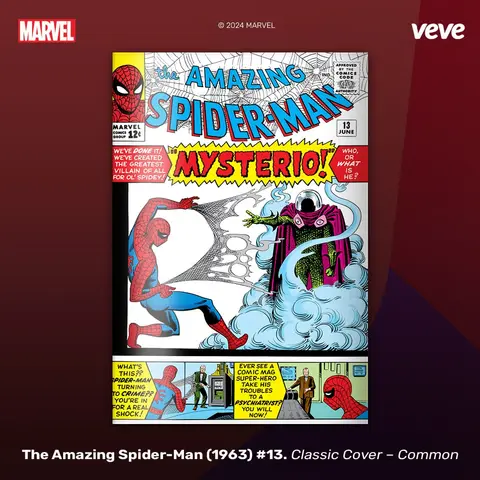
Amazing Spider-Man #13 and the first appearance of Mysterio
A Hollywood effects man decided the effects were the superpower. Quentin Beck arrived in June 1964 with no superhuman abilities and has never once needed any.
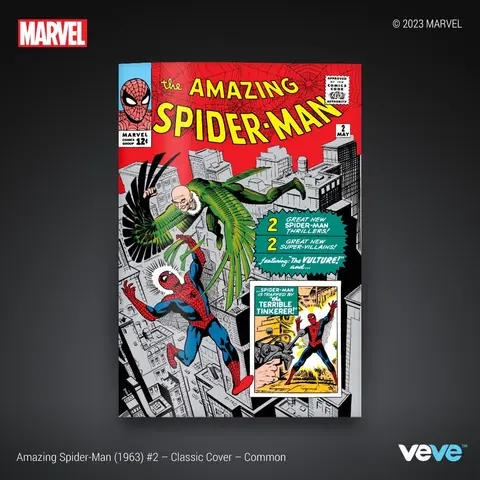
Amazing Spider-Man #2 and the first appearance of the Vulture
An old man in a feathered set of wings became Spider-Man's first recurring villain in May 1963, and the design has outlived almost everything around it.
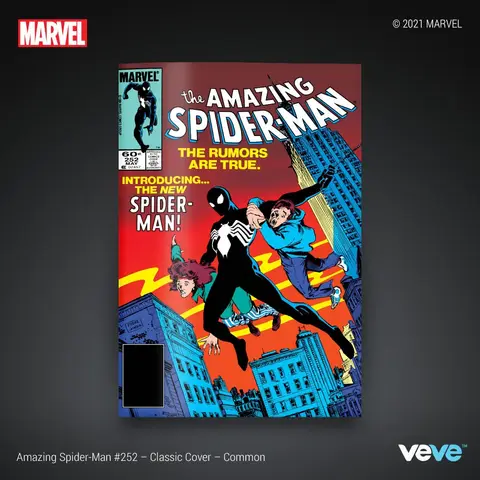
Amazing Spider-Man #252 and the arrival of the black suit
A costume change with no explanation, a cover that borrows from Fantastic Four #1, and a fan idea Marvel bought for $220. How a color swap became Venom.
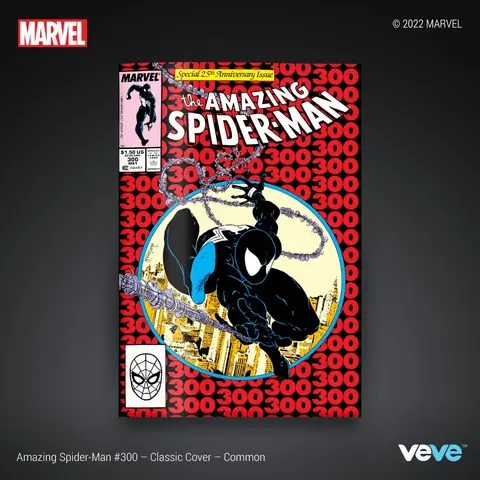
Amazing Spider-Man #300 and the arrival of Venom
Todd McFarlane's anniversary issue gave Marvel its biggest new villain in twenty years, and it gave every artist since a template for drawing Spider-Man.
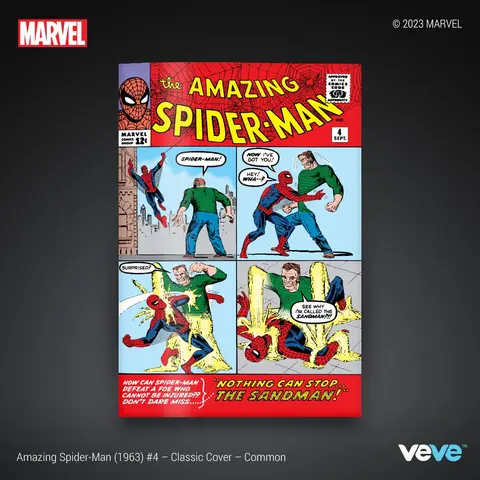
Amazing Spider-Man #4 and the debut of the Sandman
Flint Marko arrives in September 1963 as a villain with no fixed shape, and Betty Brant arrives in the same issue. Steve Ditko had to draw both of them.
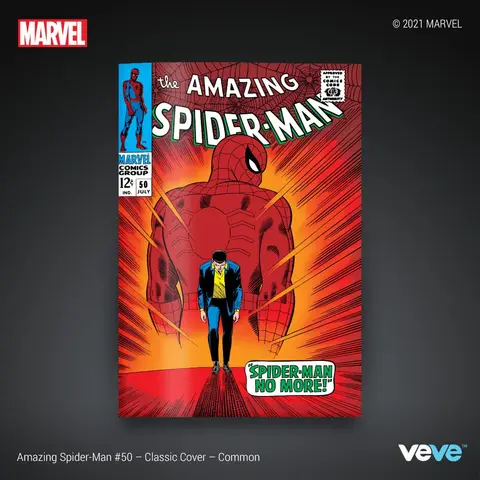
Amazing Spider-Man #50 and the costume in the trash can
The issue that gave comics its most copied image and gave Marvel the Kingpin. Why a businessman in a white suit outlasted most of the costumed villains.
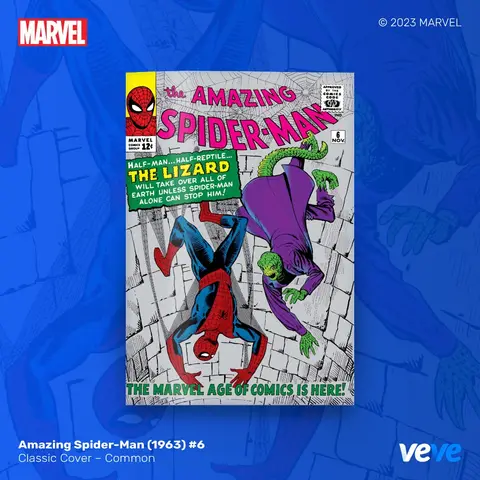
Amazing Spider-Man #6 and the tragedy of the Lizard
Curt Connors wanted his arm back. The November 1963 issue that followed him into the Everglades gave Marvel a villain who has to be cured instead of beaten.

How art toys taught collecting the shape it still uses
Blind boxes, chase figures and blank platform toys were invented by artists in Hong Kong and Tokyo before digital collecting existed. The lineage runs.
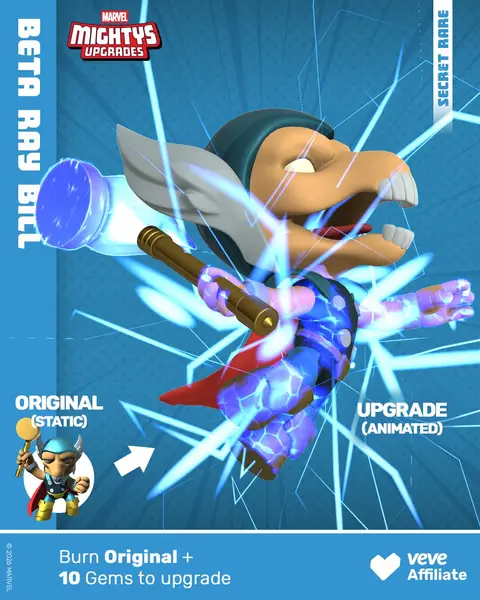
Asgard, and how to build a Thor shelf
Kirby designed a heaven, Simonson gave the hammer to a horse-faced alien, and Jane Foster picked it up in 2014. The Thor collecting story, told properly.
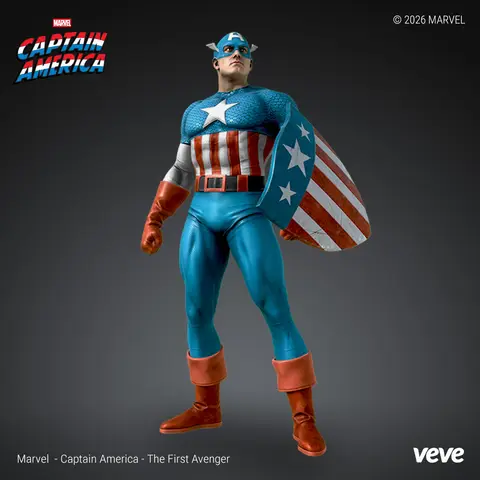
Avengers #4: Captain America Wakes Up
Stan Lee and Jack Kirby pulled a frozen soldier out of the ice and rebuilt the Avengers around him inside a single 1964 issue.
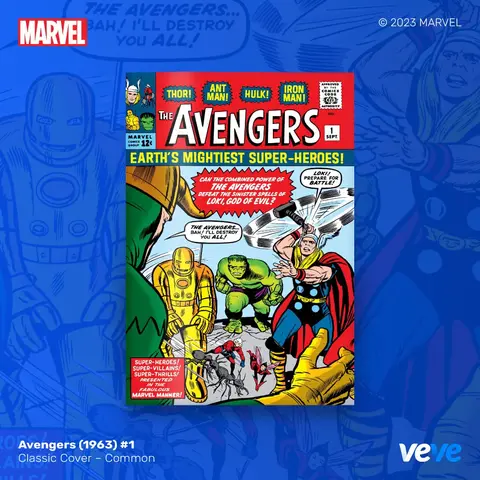
Avengers #57: Ultron builds the Vision to destroy the team
Roy Thomas and John Buscema introduced a synthetic being sent to kill the Avengers from the inside, and the team recruited him instead.
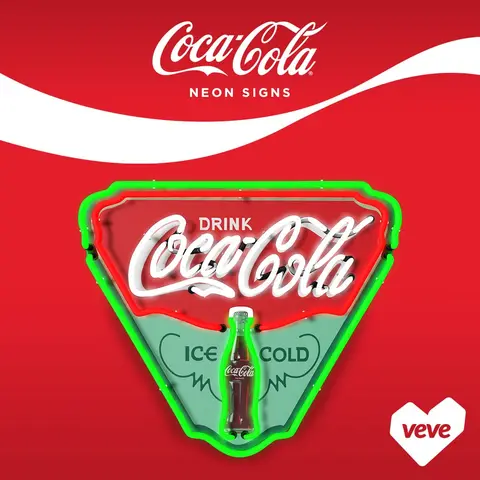
Why people collect logos, neon signs and supercars
Coca-Cola trays and Lamborghini silhouettes were collected before any character was. Brand collecting is the oldest, least discussed part of the hobby.
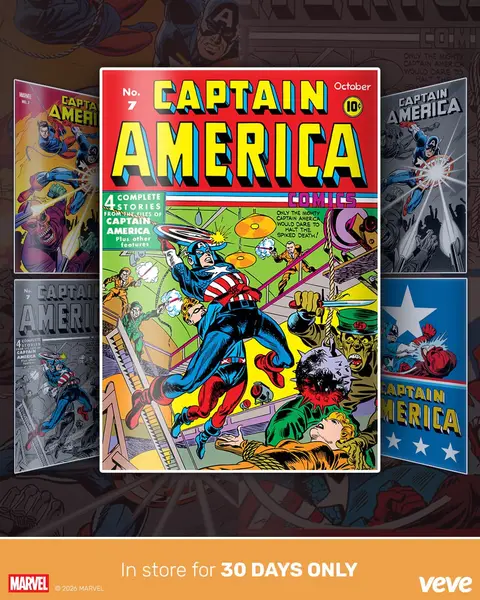
Captain America, a collecting history
A cover from 1941 with a punch on it, a character frozen and revived in 1964, and one of the most chased comics in the hobby. The Cap story for collectors.
Captain America Comics #1: A Hero Punches Hitler
Joe Simon and Jack Kirby put Captain America on a cover slugging Adolf Hitler nearly a year before America entered World War Two.
Coca-Cola and the brand that taught itself to be collected
The contour bottle was patented in 1915 so a person could identify it by touch in the dark. A century on, the packaging has its own clubs, guides and neon.
Condition grading and the language collectors had to invent
Overstreet standardised grading in 1970 and CGC sealed it in plastic in 2000. When paper disappears, edition number and rarity tier do the same job more simply.

Custodial wallets explained for collectors
Self-custody means a seed phrase and total responsibility. Custodial means the platform holds the keys. The honest trade between the two, minus the ideology.
Daredevil #1: The Man Without Fear Begins
Stan Lee and Bill Everett gave Marvel a blind lawyer with radar senses and a yellow costume nobody liked. Daredevil #1 is where all of it started.
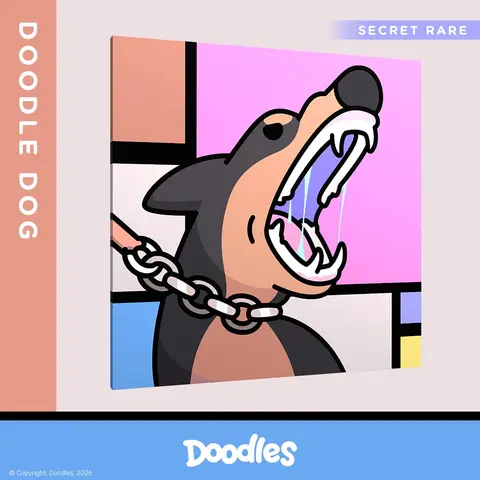
Doodles and the Mondrian collaboration explained
A pastel internet art project from 2021 shaking hands with a Dutch painter who died in 1944. It is a stranger pairing on paper than it is on the page.
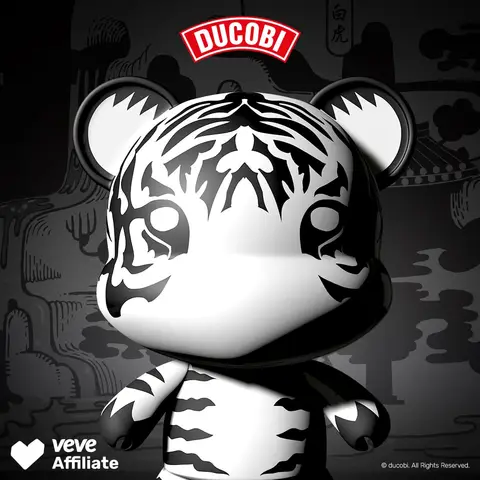
What to do with a drop that has no franchise behind it
Some releases arrive with no films, no comics and almost no information. The Ducobi Tiger is one, and here is how to actually read a piece like that.

Edge of Spider-Verse #2: the comic that created Spider-Gwen
Jason Latour and Robbi Rodriguez asked what happens if the spider bites Gwen Stacy instead of Peter Parker, and the answer became one of Marvel's biggest breakout characters.
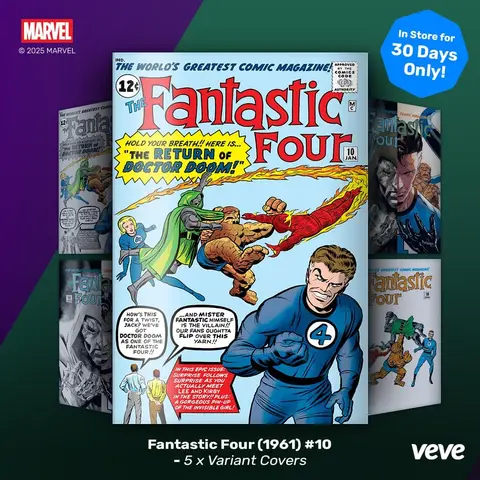
Fantastic Four #10: the issue where Doom visits the Marvel offices
Stan Lee and Jack Kirby drew themselves into Fantastic Four #10 and let Doctor Doom walk in the door. Meta-fiction in a twelve-cent comic, twenty years early.
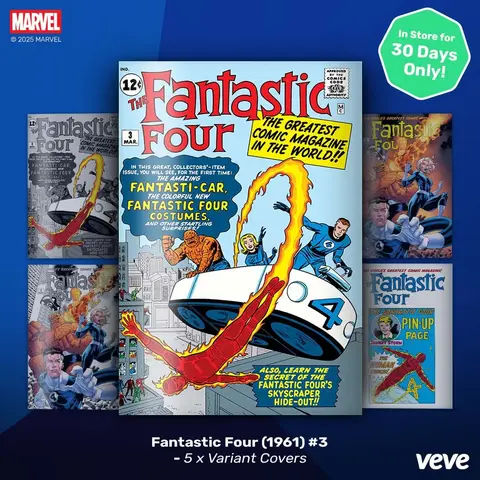
Fantastic Four #3: the costumes, the car and the Baxter Building
Cover dated March 1962, Fantastic Four #3 handed the team blue uniforms, the Fantasti-Car and a headquarters. It is where Marvel learned what a franchise needs.
Fantastic Four #48: Galactus and the Silver Surfer Arrive
Jack Kirby wanted a god for the Fantastic Four to fight and invented two characters instead of one. Fantastic Four #48 is where cosmic Marvel begins.
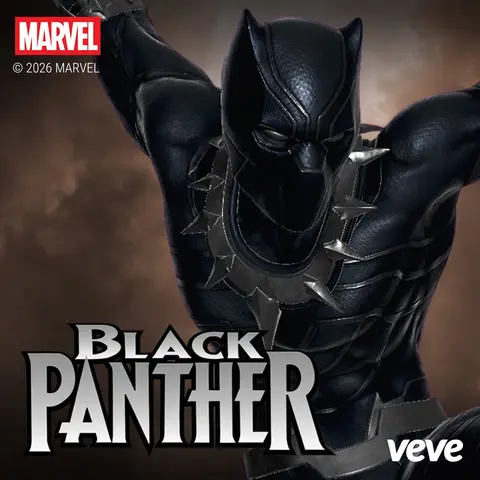
Fantastic Four #52: Black Panther's Debut
Stan Lee and Jack Kirby introduced what is widely credited as the first Black superhero in mainstream American comics inside a Fantastic Four issue in the summer of 1966.
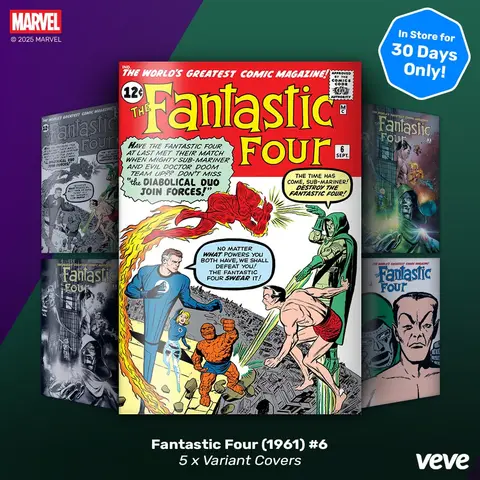
Fantastic Four #6: the first supervillain team-up
Doctor Doom and Namor join forces in Fantastic Four #6, September 1962, and drag the Baxter Building into orbit. The first villain alliance of the Marvel age.
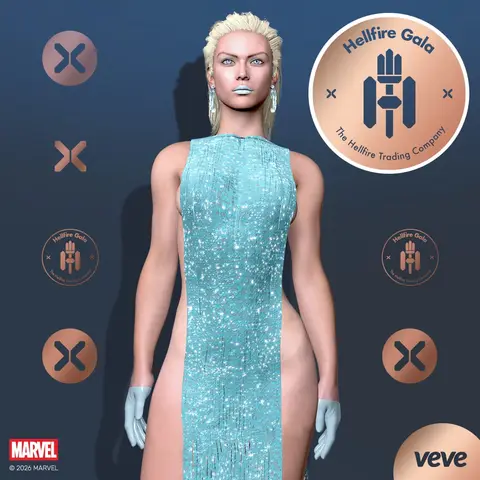
The Hellfire Gala and the pull of one-night costumes
Once a year the X-Men dress for a single evening. Here is where the Hellfire Gala came from, and why a costume with a built-in expiry date collects so well.
How to verify a digital collectible yourself
Anyone can mint a picture of a licensed character. Here is how to check the issuer, the licence, the edition and the ledger before you believe a listing.
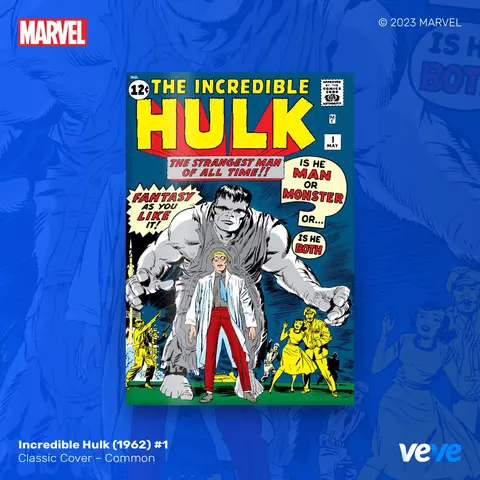
The Incredible Hulk #1 and the monster who was the hero
He was grey, he changed at nightfall, and his book was canceled after six issues. The strange, badly printed first year of Marvel's most famous failure.
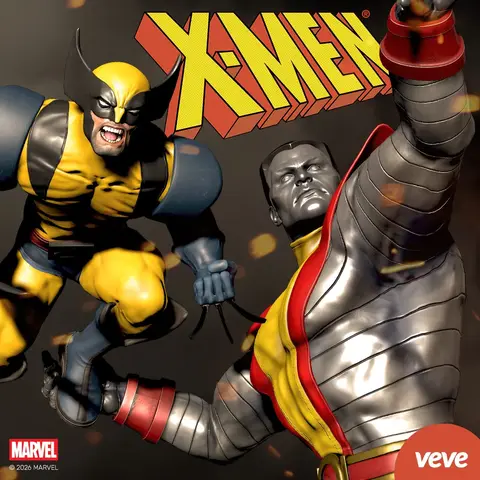
Incredible Hulk #180: Wolverine's First Cameo
Wolverine appears on the last page of Incredible Hulk #180 for a handful of panels. Collectors have argued for decades about which issue is the real debut.
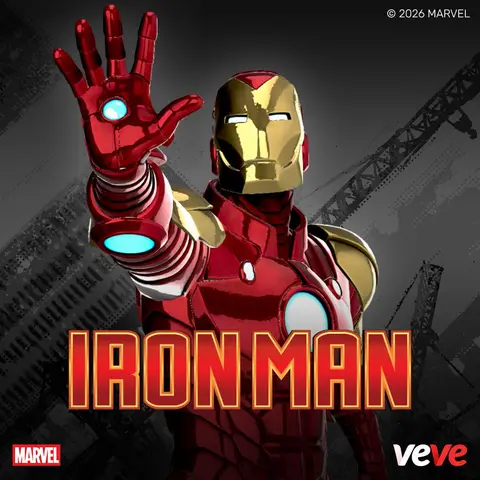
Iron Man #55: The First Thanos
Jim Starlin introduced Marvel's most enduring cosmic villain in an Iron Man issue nobody expected to matter this much. Iron Man #55 is where Thanos started.
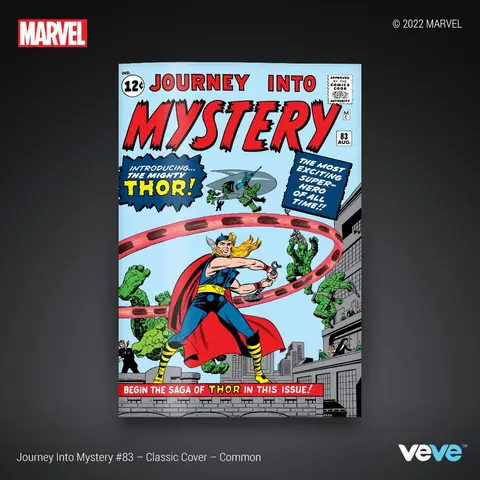
Journey into Mystery #1, ten years before Thor picked up the hammer
Atlas launched Journey into Mystery in 1952 as a horror anthology. Thor arrived in issue #83, a decade later. The gap explains why early copies are scarce.
Journey into Mystery #83: Thor's First Issue
Stan Lee, Larry Lieber and Jack Kirby took a Norse god and gave him a limp and a walking stick. That single choice is why the character survived.

The Lamborghini shelf, from the 350 GT to the Aventador SVJ
A tractor builder started a car company in 1963 and invented the supercar three years later. How the VeVe Lamborghini line reads as a set, model by model.
Marvel Comics #1: the 1939 issue that started it all
Before there was a Marvel, there was Timely, and before there was Timely, there was one anthology issue with an android and a sea king in it.
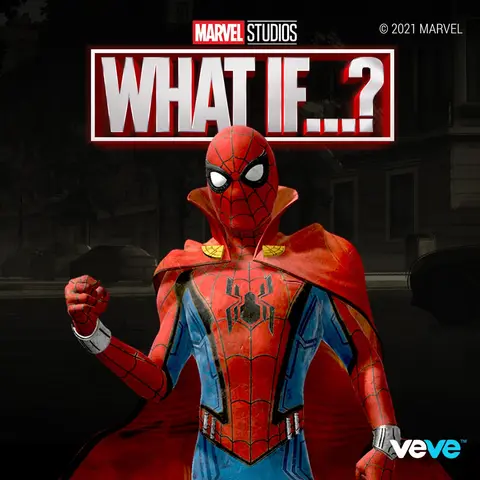
Marvel Zombies, a collector's guide to the horror shelf
Marvel Zombies started as a three-issue detour in 2005 and became a whole visual language. Here is the history and how the undead pieces collect on a shelf.
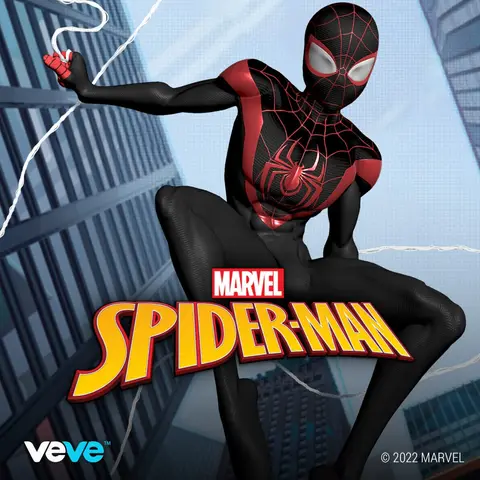
Miles Morales and the first appearance nobody saw coming
Ultimate Fallout #4 hid a new Spider-Man in five pages at the back of an anthology. How that quiet debut became an Oscar-winning headline character.
Ms. Marvel #1: Kamala Khan gets her own book
G. Willow Wilson and Adrian Alphona built the origin nobody expected Marvel to greenlight, and it became one of the publisher's most-praised debuts of the decade.
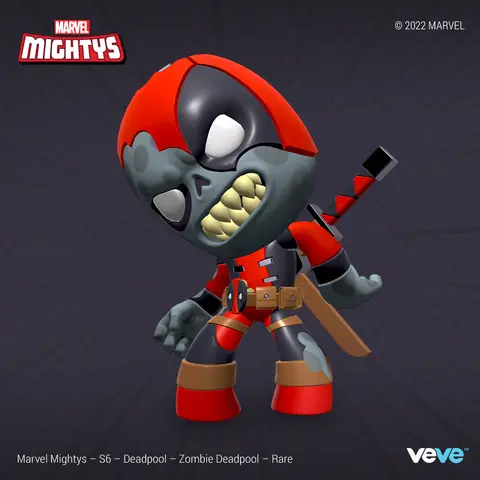
New Mutants #98: the comic that started Deadpool
Rob Liefeld and Fabian Nicieza built a hired gun to fight Cable, and by the time the issue closed Deadpool had already outgrown the assignment.
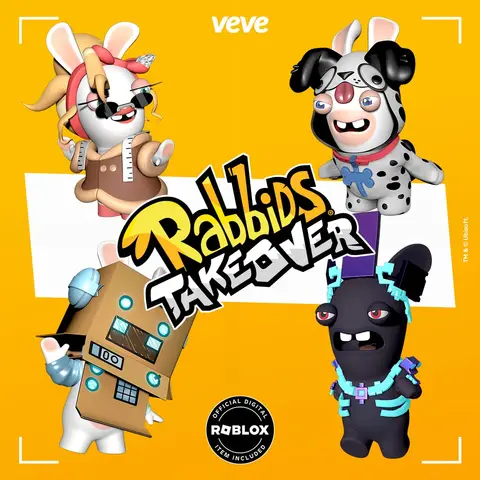
Rabbids, Roblox, and what a crossover drop actually is
The Rabbids were meant to be villains in a Rayman game and took the whole studio over instead. Their Roblox release is a good lesson in how crossovers work.
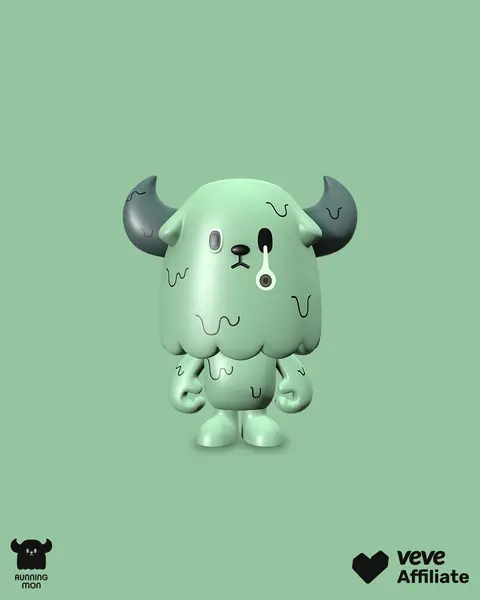
Running Mon and the case for the indie drop
Six characters pulled from Korean, Chinese, Victorian and video game folklore, on a platform built for studio blockbusters. The sources are worth knowing.
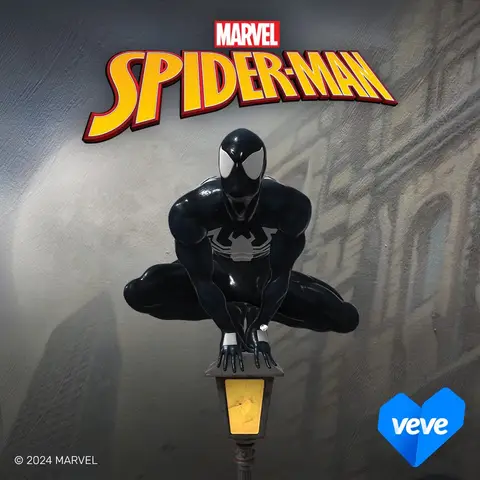
Secret Wars #8: Spider-Man picks up the black costume
Jim Shooter and Mike Zeck sent Spider-Man to an alien planet and brought him home with a new suit that turned out to be alive.

The places of Solo Leveling and why they collect so well
The Altar, Hapjeong Station and the Cartenon Temple are locations, not characters. Here is why a Solo Leveling gate makes such a strange and good display piece.
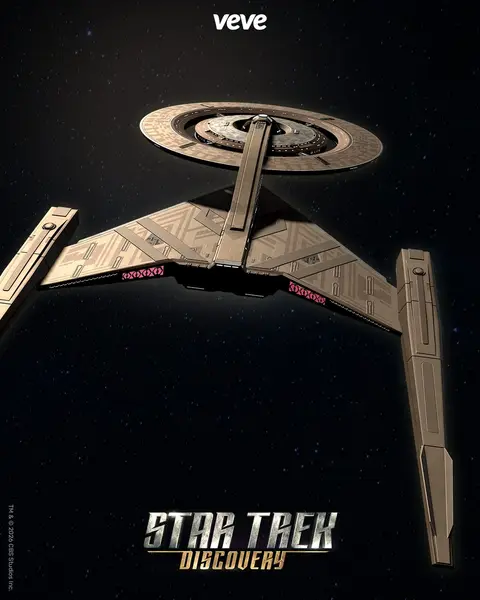
Star Trek on VeVe and the fandom that invented the convention
A show cancelled after three seasons built the most organised fandom in television, then one of the oldest serious prop and model markets in screen collecting.
Star Wars #1: Marvel's 1977 gamble that paid off twice
Roy Thomas and Howard Chaykin adapted a film nobody was sure would work, and the comic ended up on newsstands before most people had seen the movie at all.
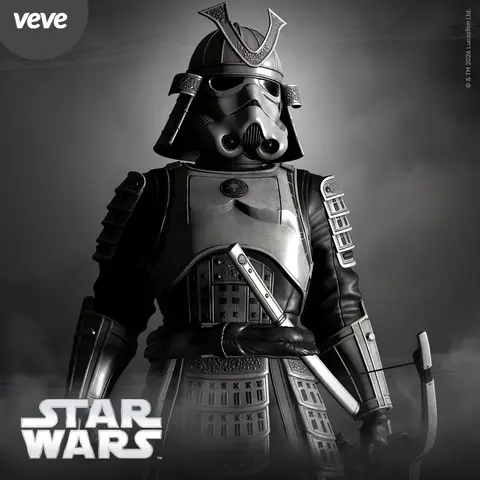
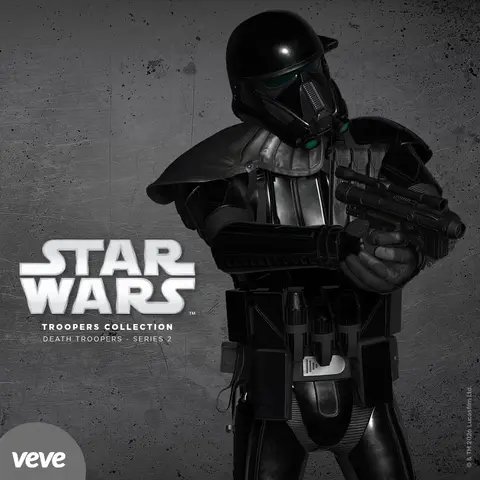
How Star Wars turned one helmet into endless troopers
Edo, Samurai, Crimson, Shadow, Mimban, Death, Night, Scout. Why Star Wars has licensed the same trooper silhouette in new finishes for almost fifty years.

The ships and droids that built the Star Wars shelf
The Falcon, the AT-AT, the X-wing and the droids that carry the plot. Where the designs came from, and why hardware displays nothing like a figure does.
Strange Tales #110: Doctor Strange's First Appearance
Stan Lee and Steve Ditko buried a five-page horror story in the back of an anthology comic. It introduced Marvel's strangest hero and nobody noticed at first.
Tales of Suspense #39: The First Iron Man
Stan Lee, Larry Lieber, Don Heck and Jack Kirby built a Cold War arms dealer into a hero inside one 1963 anthology issue. Here is what actually happened in it.
Tales to Astonish #27: the scientist before there was an Ant-Man
Stan Lee, Larry Lieber and Jack Kirby introduced Henry Pym and a shrinking formula months before anyone put him in a costume.
The Avengers #1 and the team that Loki started
Marvel's biggest franchise began as a scheduling solution: five solo characters, one villain's grudge, and a roster that was designed to keep changing.

What digital collecting probably looks like in ten years
Glasses instead of phones, display instead of storage, records that outlive their platforms. A grounded look at where this goes, and what could go wrong.
The licensing empire behind everything you collect
Disney spent roughly $79 billion assembling Marvel, Lucasfilm and Fox. What a licence actually is, and why it separates a real collectible from a picture.
What is actually happening when we collect things
Completion, the hunt, identity, community and the near-miss. An honest look at the mechanisms behind collecting, including the ones worth keeping an eye on.
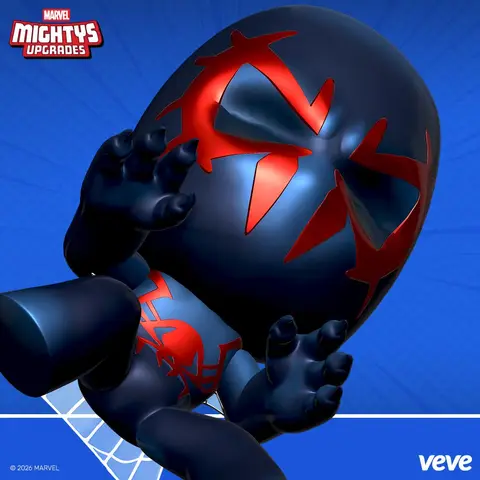
The Spider-Verse, a collector's guide to every spider
Miguel, Ben, Gwen, Miles, a pig and a symbiote. Where each version of Spider-Man came from, and why a character with many valid selves collects so well.
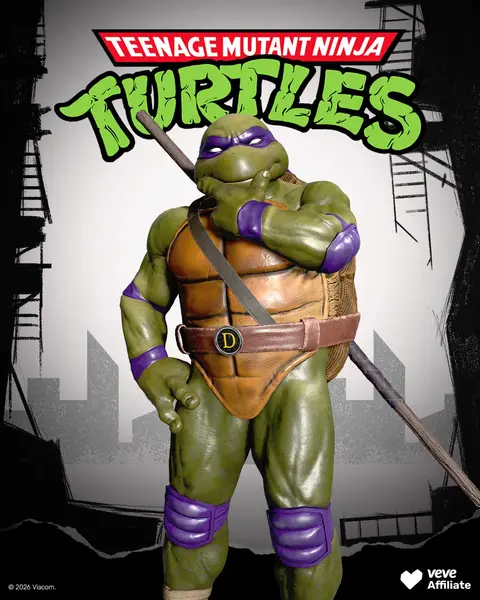
TMNT #1: the black and white comic two guys self-published in 1984
Kevin Eastman and Peter Laird printed a parody of Daredevil and the New Mutants out of a house in New Hampshire, and it became one of the most valuable comics of the modern age.
Todd McFarlane and the Spider-Man everyone draws
He redrew the webbing, walked out of Marvel to co-found Image, built a toy company and bought a baseball for three million dollars. One career, one thread.
tokidoki and the world Simone Legno built
An Italian illustrator, a Japanese word meaning sometimes, and a character system built so variants can run forever. Plus the Sushi Cars, name by name.
Ultimate Fallout #4: the issue that revealed Miles Morales
Brian Michael Bendis and Sara Pichelli answered the question the Ultimate line had just asked itself: who wears the mask now that Peter Parker is gone.
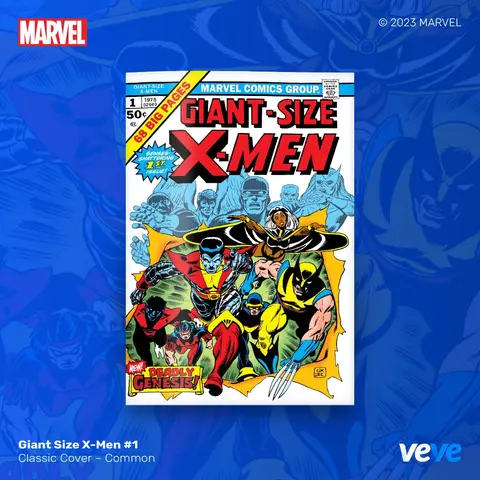
Uncanny X-Men #266: Gambit deals himself in
Chris Claremont and Mike Collins introduced a Cajun thief with a kinetic-charged deck of cards, and the X-Men line never quite closed the door on him again.

X-Men #60, Sauron, and the Neal Adams rescue
A doctor who drains life and turns into a pterodactyl, drawn by Neal Adams in 1969, in a book Marvel was about to cancel. The strangest key in X-Men collecting.

Vampirella #1 and the magazine that dodged the Code
Vampires were banned in American comics from 1954. Warren published in magazine format to get around it, and in 1969 put Frazetta on the cover of issue one.
VeVe Artworks and the smaller creators on the shelf
Vampirella, indie character lines and designer toy collaborations sit alongside Marvel and Star Wars. Here is what that strand of the catalogue is actually for.
Werewolf by Night #32: the horror comic that introduced Moon Knight
Doug Moench and Don Perlin built a mercenary hired to hunt a werewolf, and Marvel kept finding reasons to bring him back long after the job was finished.
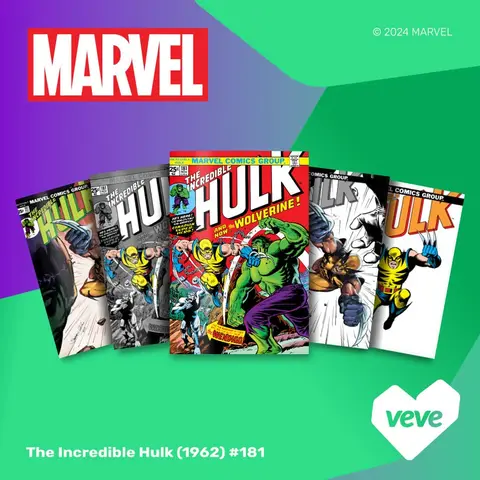
What happens if a collecting platform shuts down
The honest answer, worked through properly: what survives a shutdown, what does not, what history tells us, and how collectors should think about the risk.
What on-chain ownership actually means for a collector
A blockchain record proves which account holds which numbered edition. Here is what that record covers, what it never covers, and why the gap matters.
Why digital collectibles stopped costing gas fees
Transfers once cost more than the item. Layer 2 networks batch thousands of transactions into one settlement, which is why collectors see no fee prompt now.
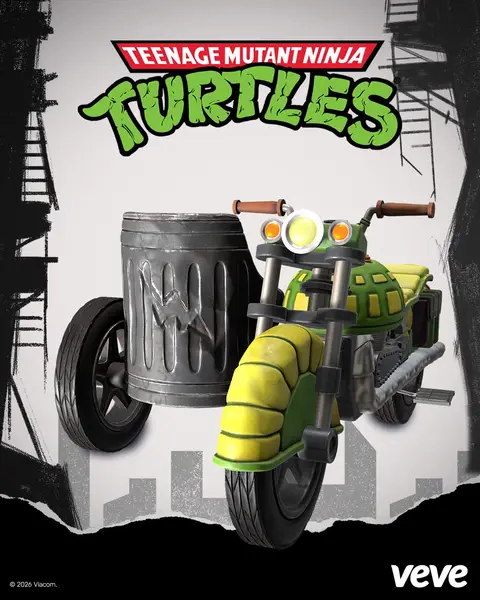
Why a vehicle anchors a collection better than a hero
Vehicles are bigger, scarcer and harder to make. From the 1966 Corgi Batmobile to the Technodrome, here is what hardware does to a shelf figures cannot.
X-Men #1: The Mutants and Magneto Arrive
Stan Lee and Jack Kirby built a team around a word, mutant, that let every future writer turn the X-Men into an argument about prejudice.
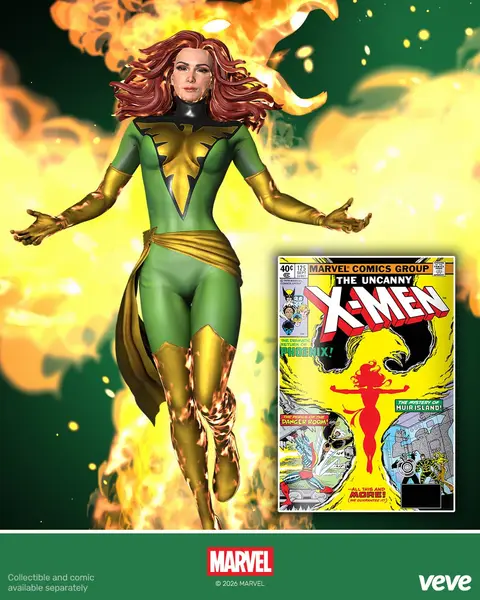
X-Men #125 and the quiet issue before Dark Phoenix
September 1979, Claremont and Byrne open the Proteus story on Muir Island. Four issues later the X-Men become the biggest franchise in comics. Here is why.
Howard the Duck #1 and Marvel's strangest solo launch
Steve Gerber and Frank Brunner gave Marvel a talking duck with real opinions in 1976, and VeVe's digital edition dropped as a $6.99 blind box.
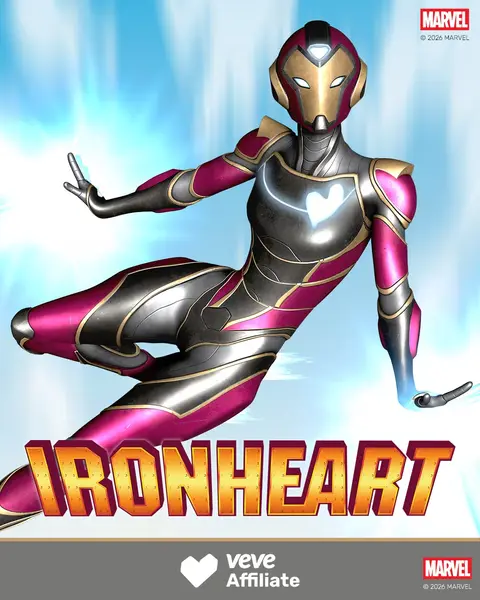
Ironheart arrives on VeVe with a Neon Chaser variant
Riri Williams built her own armor at fifteen, and VeVe's Ironheart collectible ships with five idle poses and a full-illumination Neon Chaser edition.
Age of Ultron #10 closes out Marvel's time-fractured event
The finale issue kept its ending secret from its own artists, and VeVe's digital edition arrived with five cover variants across 1,000 editions.
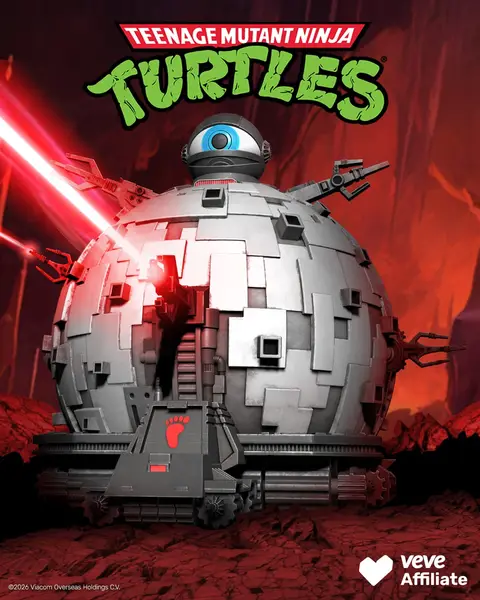
The Technodrome lands on VeVe, and you can drive it
Krang's mobile fortress arrived as an interactive AR collectible with five laser cannons, a blinking mechanical eye, and full driving control.

Alien and Predator Collectibles on VeVe
Xenomorph, Facehugger, Chestburster, Ovomorph and the Jungle Predator variants, and why two monsters from 1979 and 1987 still own a whole collecting culture.
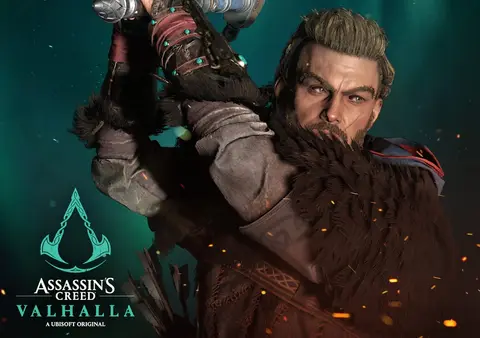
Assassin's Creed Collectibles: Every Assassin on VeVe
Altair to Basim, the Assassin's Creed figures on VeVe span sixteen years of Ubisoft history. Which assassin belongs on your shelf, and why the hood works.
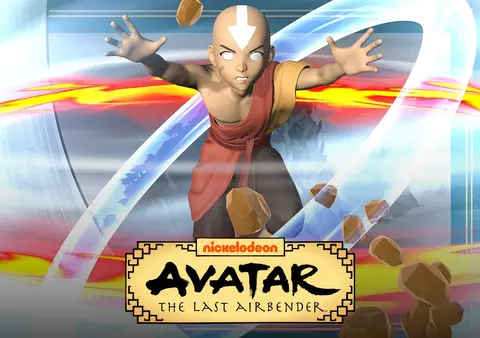
Avatar: The Last Airbender Collectibles on VeVe
Aang, Katara, Sokka and Toph as digital collectibles. The story behind the 2005 series, the four nations, and how to build a set that makes sense.
Collecting on a Budget: How to Enjoy VeVe Without Overspending
Free credit, Commons as a real collecting lane, marketplace patience, monthly caps, and why one-character focus beats chasing everything.
Fantastic Four #1: Where the Marvel Age Started
In 1961, Stan Lee and Jack Kirby made superheroes argue with each other. Fantastic Four #1 is the Silver Age cornerstone, and it is readable on VeVe today.
How to Build a Themed Collection (Instead of Buying Everything)
Five frameworks for giving a collection a shape: one character, one series, villains, troopers, and first appearances. Constraints make collecting better.
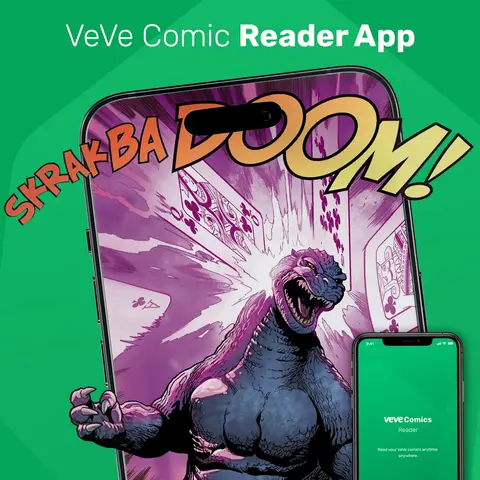
How to Read Digital Comics on VeVe
The VeVe comics reader, same-day releases, numbered editions versus open digital copies, and what a first-time reader should open first.
Marvel Mightys, Explained: The Stylized Line Collectors Start With
Marvel Mightys are VeVe's stylized figures, from Spider-Man and Ghost-Spider to Thor and the Celestials. What the style is and why new collectors start here.
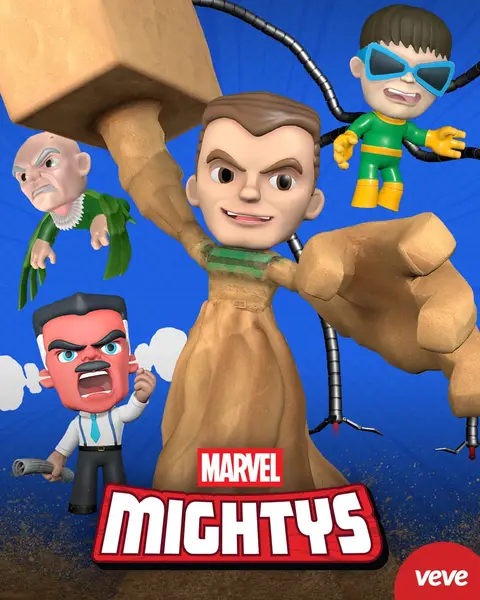
Spider-Man's Sinister Villains: A Collector's Guide
Doc Ock, Electro, Mysterio, Sandman, Vulture and the Green Goblin: where each villain first appeared, and why the rogues gallery completes a collection.

Every Star Wars Trooper on VeVe, Explained
Stormtroopers, Death Troopers, Night Troopers, Scout Troopers and the Imperial Royal Guard. What each one is, where it came from, and how to build an army.

Street Fighter Collectibles on VeVe: Ryu to M. Bison
The Street Fighter figures on VeVe, from Ryu and Chun-Li to Akuma and M. Bison, and why the 1991 arcade cabinet still shapes how people collect the series.
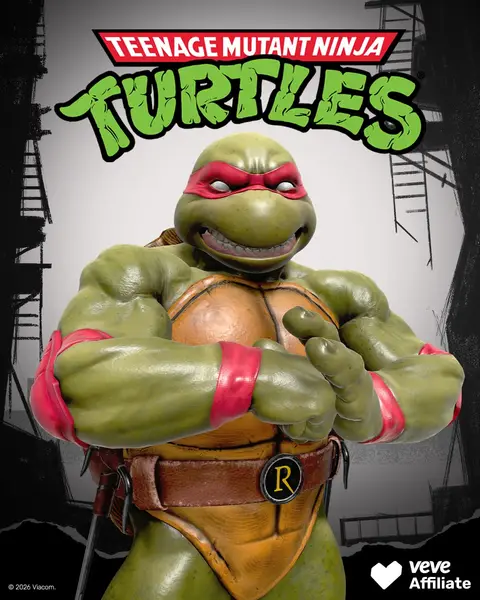
TMNT on VeVe: Turtles, Splinter, Technodrome and the Dojo Discipline Series
All four turtles, their weapons and colours, plus Splinter, the Technodrome, the Turtle Cycle and the Dojo Discipline line. How to build a complete team set.
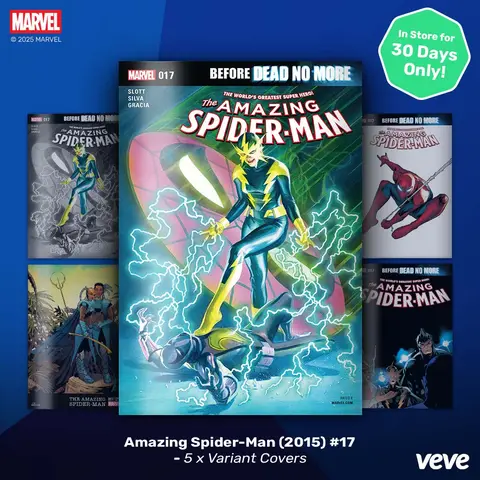
The VeVe Marketplace: How to Buy Secondhand Collectibles
How to browse by collection, read a listing, choose between floor and specific mint numbers, and shop the VeVe marketplace without rushing.
Why VeVe Drops Sell Out in Minutes (and How the Queue Works)
Edition sizes versus demand, the morning drop-time crush, how the VeVe queue and waitlist behave, and why the marketplace is the calm alternative.

The Phoenix Five, Explained for Collectors
Cyclops, Emma Frost, Namor, Colossus and Magik took the Phoenix Force in 2012's Avengers vs X-Men. Here is the story behind the set, and how to collect it.
Why Official Licenses Matter More Than Anything in Digital Collecting
A licensed Spider-Man means something a knockoff never can. Why licenses are the whole game in digital collecting, and how VeVe secured the big ones.
The New Age of Collecting Has Already Started
Stamps, cards, comics, vinyl, sneakers, Pop Mart - every generation gets a format. Digital collecting is this one, and the early chapter is happening now.
Are NFTs Dead? What Collectors Actually Think in 2026
Are NFTs dead in 2026? The speculation era is - but licensed digital collecting on VeVe, Disney Pinnacle, and Droppp quietly kept growing. Here's why.
Detective Comics #27: The Batman First Appearance That Built Comic Collecting
Batman first appeared in Detective Comics #27 in 1939. The Kane and Finger story, why the issue is worth millions, and how it shaped collecting.

The Best NFT Marketplaces for Collectors in 2026
Ranking NFT marketplaces for collectors, not traders: VeVe, Disney Pinnacle, Droppp, NBA Top Shot, plus OpenSea and Magic Eden honestly compared.
Disney NFTs & Digital Collectibles: A Collector's Guide
Where to find official Disney NFTs and digital collectibles - VeVe drops, Disney Pinnacle, and why licensed beats bootleg every time.
How to Actually Display Digital Collectibles
AR photography tips, VeVe showrooms, and social sharing: how to display digital collectibles so they're seen, not buried. Display is the point of collecting.
How to Spot NFT Scams: A Collector's Field Guide
The common NFT scams explained - fake mints, impersonators, seed-phrase phishing, pump groups - plus a red-flag checklist and what to do if you're targeted.
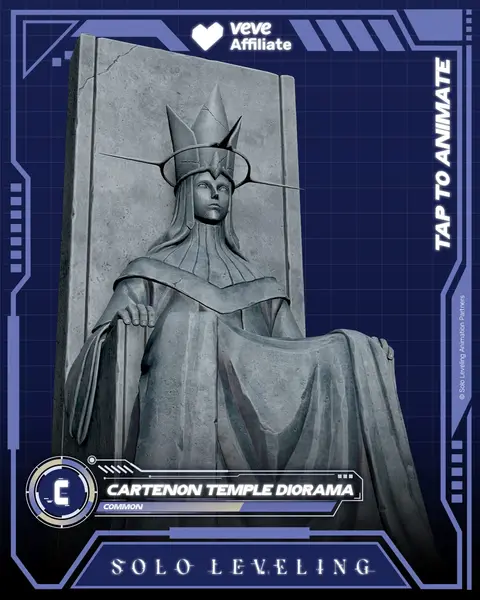
Solo Leveling Digital Collectibles: Anime's Hottest Series Goes Collectible
Solo Leveling digital collectibles have arrived on VeVe. How the webtoon-turned-anime phenomenon became a collectible, and why anime fans take to digital drops.
Spider-Man NFTs: A Collector's Guide
What Spider-Man NFTs actually exist? A guide to licensed Marvel digital collectibles on VeVe - first-appearance comics, figures, and Miles Morales.
Star Wars NFTs: What Collectors Should Know
Star Wars NFTs, sorted: VeVe's official Lucasfilm license, Boba Fett and Vader drops, AR display, and how to spot the scam projects.
TMNT NFTs: Collecting the Turtles Digitally
TMNT NFTs on VeVe explained - licensed Turtles figures and comics, the 1984 Mirage origin story, and what collectors should look for in drops.

The VeVe Drop-Day Playbook: How Collectors Actually Get the Drop
A practical VeVe drop-day guide: pre-drop prep, the final 10 minutes, queue tactics, blind box vs fixed price, and what to do when you miss.
Video Game NFTs: What Collectors Should Know
Video game NFTs explained for collectors - licensed collectibles like Ubisoft's Assassin's Creed on VeVe vs the play-to-earn schemes that collapsed.
Mint Numbers Explained: Why #1 Matters to Collectors
What a mint number means, why collectors chase #1, matching numbers, and birthday mints, and how mint numbers work on VeVe digital collectibles.
X-Men NFTs & Digital Collectibles
X-Men NFTs explained for comic collectors: Giant-Size X-Men #1, Hulk #181, and Jean Grey covers as licensed Marvel digital comics on VeVe.
Why Collectors Choose VeVe Over Everything Else
Real Marvel, Star Wars, Disney and TMNT licenses, first-appearance comics, AR display and zero crypto homework. Why collectors keep landing on VeVe.
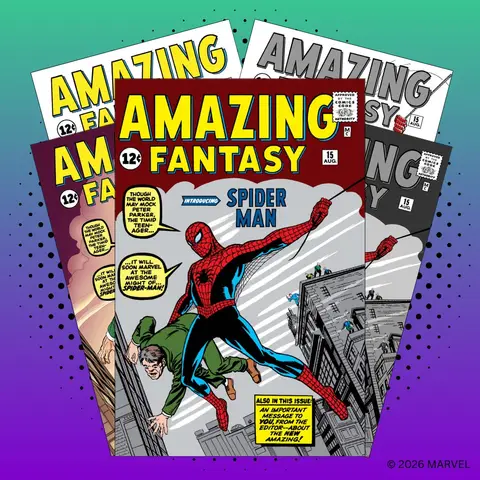
Amazing Fantasy #15: The Comic That Started Everything
Spider-Man's 1962 debut is the most famous first appearance in comics - the hobby's ultimate rookie card. Why it matters, and how collectors own that story today.
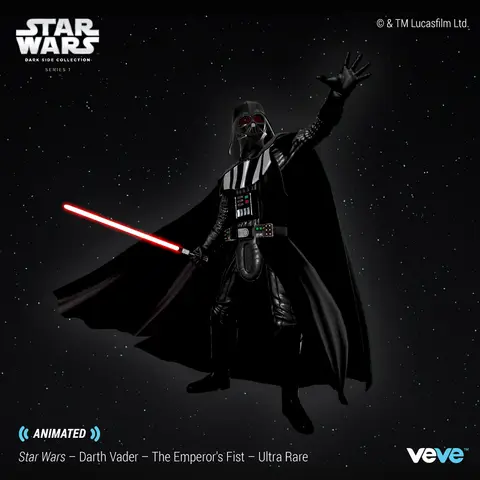
Darth Vader: How Cinema's Greatest Villain Became a Collecting Icon
From his 1977 debut to Kenner figures fetching six figures at auction, Darth Vader is the most collected villain in history. VeVe added the digital chapter.
From Steamboat Willie to Your Shelf: A Century of Collecting Mickey
Mickey Mouse launched in 1928 and built the first merchandising empire. From 1930s dolls and watches to Disneyana auctions, a century of collecting Mickey.
Giant-Size X-Men #1: The Issue That Saved the Mutants
In 1975 the X-Men were a canceled book running reprints. One oversized issue introduced Storm, Colossus, and Nightcrawler, and saved the franchise for good.
The Incredible Hulk #181: Wolverine's Debut and the Bronze Age Grail
Wolverine's 1974 first appearance in Incredible Hulk #181 is the Bronze Age key comic. How a throwaway villain became the most popular X-Man, and how fans own it.
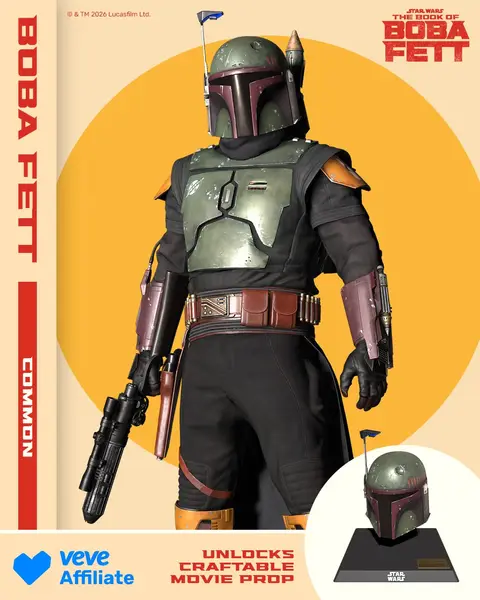
This Week on VeVe: Boba Fett Leads a Stacked Star Wars Slate
Boba Fett's Underworlders collection headlines a loaded week of VeVe drops, with Marvel comics, Assassin's Creed Valhalla, and Solo Leveling in seven days.
Solo Leveling Lands on VeVe: Sung Jinwoo Debuts
Solo Leveling makes its VeVe debut this week, led by Sung Jinwoo. Here is what is in the Season 1 drop and how new collectors can grab a piece.
What Makes a Grail? The Anatomy of Digital Collecting's Most-Chased Pieces
Every collector chases a grail. What turns one collectible into THE collectible? Four ingredients: scarcity, cultural moment, edition number, and story.
TMNT Origins: A Sewer, A Photocopier, and an Accidental Empire
In 1984 two broke artists self-published 3,000 copies of a parody comic. Teenage Mutant Ninja Turtles became a global empire, and that first print is now a grail.
Reading Comics in AR: Why VeVe Comics Feel Different
Same-day digital releases, numbered limited editions of key issues, and covers you hang on your wall in AR. What makes VeVe Comics a hobby of its own.
Video Games Enter the Collecting Universe: Assassin's Creed, Avatar & Beyond
Assassin's Creed Valhalla and Avatar are landing on VeVe as licensed digital collectibles. Why game art going collectible mirrors the 80s movie-merch boom.
The Free $10 Question: Is VeVe's New-Collector Credit Actually Worth It?
VeVe gives new collectors US$10 in credit through partner links. An honest breakdown of what it buys, the fine print, and who should claim it.
Five Grails Collectors Are Chasing on VeVe Right Now
First-appearance comics, Secret Rares, single-digit edition numbers: five types of pieces VeVe collectors brag about owning, and why the chase is the fun part.
How AR Collectibles Actually Work (And Why They're Cooler Than You Think)
Augmented reality sounds like jargon until you drop a life-size Boba Fett in your living room. How AR collectibles work in plain English, and why display wins.
Blockchain Provenance in Plain English (No Crypto Degree Required)
Forget the crypto jargon. Blockchain provenance is a public record book proving your collectible is real and yours, like a county deed office for collectors.
Digital Comics vs Physical: What Each Does Best
Print comics and VeVe digital editions are good at genuinely different things. Longbox loyalists and digital collectors do not have to fight.
Can You Gift Digital Collectibles? The Collector's Gift Guide
Yes, you can gift digital collectibles. A first-appearance comic of someone's favorite hero may be the most personal gift in collecting - here's how it works.
The 10 Most Valuable Comics Ever Sold (And Why They're All First Appearances)
From Action Comics #1 at $6 million to Miles Morales' debut, the priciest comics ever sold share one thing: they are where a character's story begins.
The Most Valuable Action Figures Ever (Boba Fett Keeps Winning)
A rocket-firing Boba Fett prototype has topped $200,000 at auction. Why prototypes, errors, and first runs rule the figure hobby, just like first appearances.
From Tobacco Cards to AR: 150 Years of Collecting Fandom
Collecting reinvents itself every generation: tobacco cards, Mickey merch, Golden Age comics, Star Wars toys, the 90s bust, grading, now digital editions.
Blind Boxes Explained: Why Not Knowing Is Half the Fun
From Japanese gashapon to Pop Mart to VeVe drops, blind boxes run on the same psychology as ripping a card pack. How they work, and how to enjoy them smartly.