Giant-Size X-Men #1: The Issue That Saved the Mutants
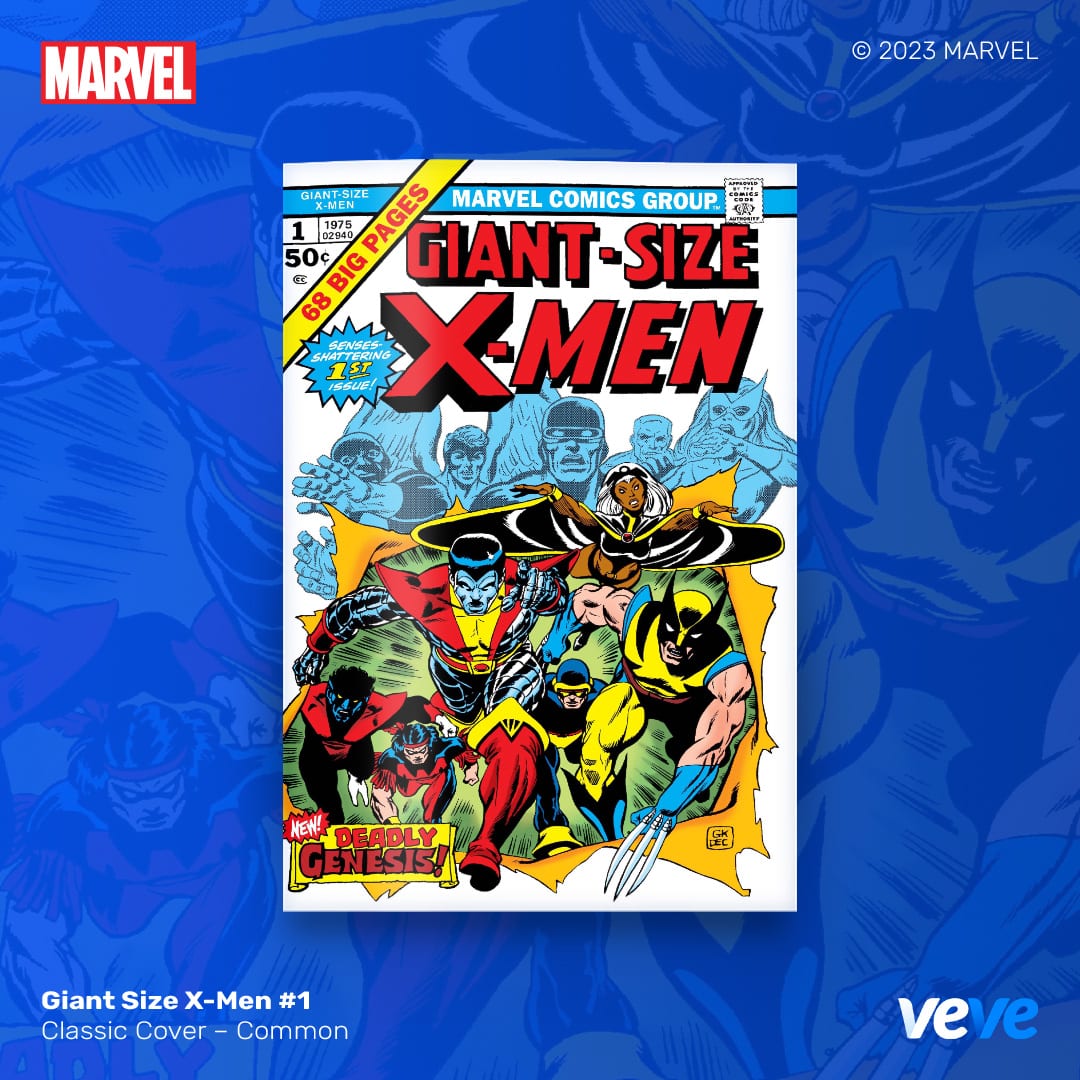
Giant-Size X-Men #1 (May 1975) relaunched a canceled franchise with a new international team, marking the first appearances of Storm, Colossus, and Nightcrawler. It's one of the most important Bronze Age key comics - high-grade copies sell for tens of thousands of dollars, with top-graded copies crossing six figures.
Every franchise has a near-death experience. The X-Men’s was so bad that for five years, their comic was literally reprinting old issues because nobody at Marvel thought new ones were worth making.
Then came Giant-Size X-Men #1.
The mutants were dead
Hard as it is to believe now, the original X-Men flopped. Launched in 1963, the book limped along until 1970, when Marvel stopped producing new stories entirely and kept the title alive on reprints. The X-Men were a failed experiment - Marvel’s least-loved team.
The revival idea was partly a business play: an international team could sell internationally. Writer Len Wein and artist Dave Cockrum built one - and in May 1975, Giant-Size X-Men #1 hit stands with the all-timer cover of the new team literally bursting through the old one.
Three first appearances in one book
Inside that single oversized issue: the first appearances of Storm, Colossus, and Nightcrawler, plus Thunderbird, plus the moment Wolverine - fresh off his Hulk #181 debut - joins the team that would make him a legend. Add returning members like Cyclops, and Banshee and Sunfire joining up, and you have one comic that introduces the roster that carried the X-Men for the next two decades.
Chris Claremont took over the ongoing book right after and wrote it for sixteen straight years. The Dark Phoenix Saga, Days of Future Past, the cartoons, the movies - all of it grows out of this one relaunch. A canceled book became Marvel’s best-selling franchise of the 1980s and 90s.
One of the last great Bronze Age keys
Collectors talk about Giant-Size X-Men #1 in the same breath as Hulk #181, and for good reason: it’s arguably the last comic where this many franchise-defining first appearances landed in a single issue. The market agrees. High-grade copies routinely sell for tens of thousands of dollars, and top-census CGC 9.8 copies have crossed six figures at auction. Even well-read copies carry four-figure price tags now.
Like every great key, its value isn’t really about paper and ink. It’s about being the exact page where Storm, Colossus, and Nightcrawler walk into the story.
The digital chapter
VeVe releases landmark comics from exactly this era as officially licensed, limited, numbered digital editions - readable cover to cover in the app, with your edition number verifiable on a public ledger. Owning edition #217 of a licensed Giant-Size X-Men era key is a different thing than owning a 1975 newsstand copy, but it scratches the same itch: a numbered, official piece of the issue that saved the mutants.
For the full story on why first appearances drive the entire hobby, read our pillar guide: First appearances: the rookie cards of comics.
To me, my X-Men
X-Men and Marvel drops land on VeVe regularly - watch the drop calendar and browse the character pages for what’s live now. New collectors get US$10 in free credit to start, no card required.