Marvel Comics #1: the 1939 issue that started it all
Marvel Comics #1, published in 1939 by Timely Comics, is the founding issue of the publisher that became Marvel. It introduced the original android Human Torch, created by Carl Burgos, and Namor the Sub-Mariner, created by Bill Everett, in the same anthology.
Timely Comics was a pulp-magazine publisher trying its luck in the new superhero anthology format everybody was chasing after Action Comics #1 turned Superman into a phenomenon a year earlier. Marvel Comics #1, cover dated October 1939 but on newsstands that August, is the result, and it is the single issue every later Marvel comic ultimately traces back to.
Two characters, one anthology
Anthology books in 1939 packed several unrelated strips into one issue, and Marvel Comics #1 is no exception. The two stories that mattered were the Human Torch, created by Carl Burgos, an android built by a scientist who bursts into flame on contact with oxygen and breaks loose from his creator’s control, and Namor the Sub-Mariner, created by Bill Everett, an antihero prince of an underwater kingdom introduced as an antagonist to the surface world rather than a hero in the traditional sense. Both were genuinely strange concepts for the format: an artificial man who burns and a half-human, half-Atlantean royal who starts out actively hostile to humanity. Neither played it safe the way most early superhero debuts did.
Why these two survived the era
The Golden Age produced hundreds of characters who lasted one or two anthology appearances and vanished. The Torch and Namor did not, and the difference was conflict. Timely paired them against each other directly within a few years, in a crossover war across the pages of Marvel Mystery Comics that ran through the early 1940s, and that rivalry gave both characters a recurring stage the rest of the era’s one-note heroes never got. A character who fights other characters stays in continuity. A character who only fights one-off villains gets forgotten.
What they built
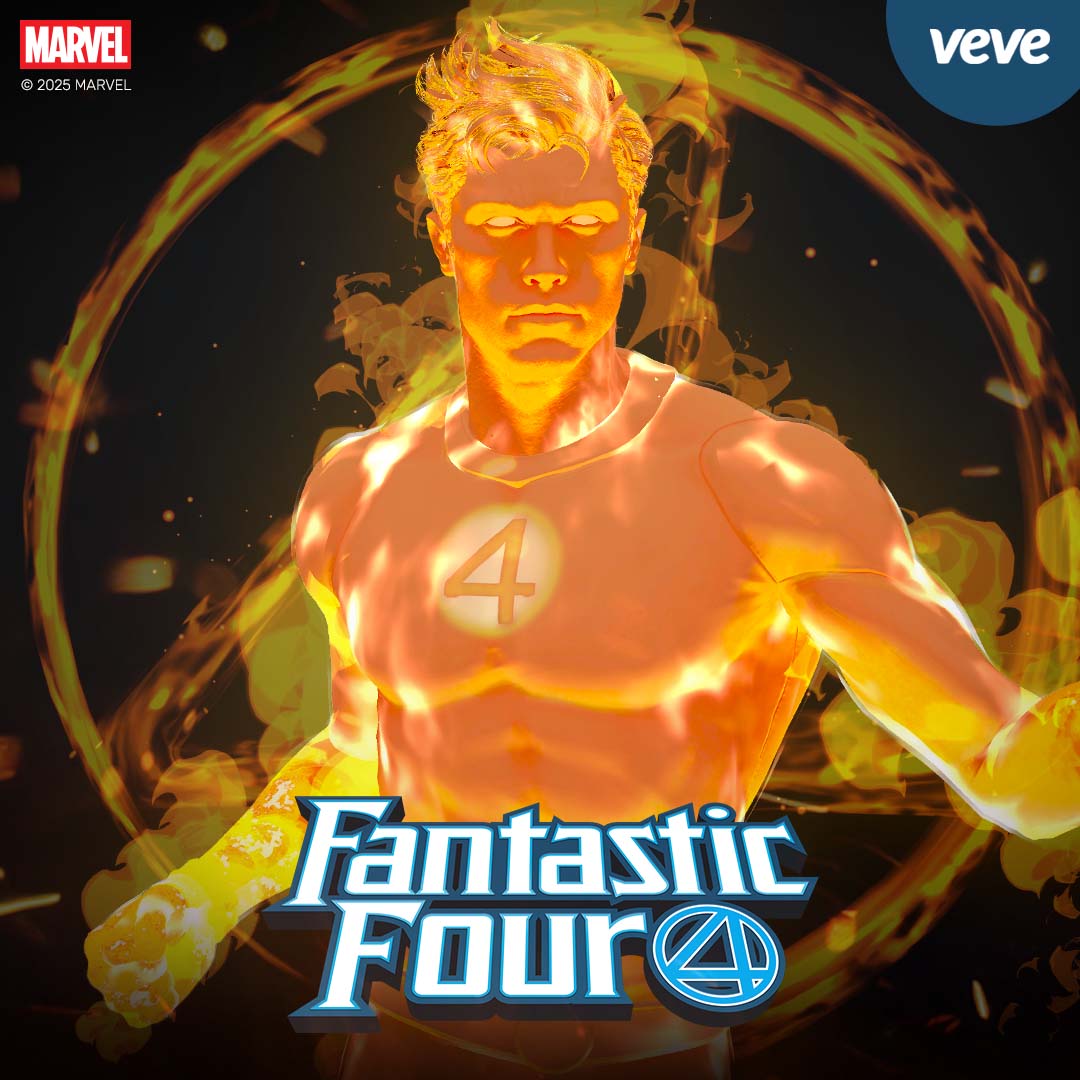
Namor is often called the first antihero in American comics, a protagonist willing to attack humanity outright rather than defend it, years before that kind of moral complexity became common. He predates Marvel’s 1960s reinvention by over two decades and was folded back into continuity as an amnesiac when Johnny Storm rediscovered him in Fantastic Four #4 in 1962, connecting the company’s Golden Age output directly to its Silver Age relaunch. The Human Torch concept was retired and later reinvented entirely: the 1961 Fantastic Four gave Johnny Storm the same name and a human version of the same power, a deliberate callback to the 1939 android rather than a continuation of him.
Why the 1939 issue matters this much
Marvel Comics #1 is the birth certificate for a company that did not yet call itself Marvel, would not for another two decades, and had no idea it was building a universe. It matters because everything the company later became, the shared continuity, the connected characters, the crossover event, traces back to an anthology issue where two strange concepts happened to share an issue and later happened to fight each other.
The collecting reality
This is Golden Age scarcity at its most extreme. Comics in 1939 were cheap pulp pamphlets, printed on newsprint that was never meant to last, sold to children who read them to pieces and threw them away. Survival rates for any 1939 comic are low, and Marvel Comics #1 is one of the most closely tracked and most examined books of the entire era for exactly that reason: high-grade copies are recognized centerpieces of the small number of serious Golden Age collections that hold one at all, and a high-grade copy selling is a headline event.
History rather than a current drop
VeVe’s Marvel catalog focuses on characters and eras the platform has licensed for figures, artworks and digital comics, and Human Torch and Namor both have a presence in that lineup drawn from their later Silver Age and modern appearances rather than this 1939 debut specifically. The Marvel franchise page and comics section are the place to see what is currently part of that catalog. For background on how VeVe’s digital editions and figures actually work as licensed collectibles, what a VeVe collectible is is the place to start, and new collectors can start a free VeVe account with US$10 in credit toward a first piece, no card required, detailed on the free credit page.
The company that did not exist yet
Nobody making Marvel Comics #1 in the summer of 1939 was building a universe. They were filling pages in a crowded anthology market and hoping something stuck. An android and a sea king stuck, fought each other for years, and are still around more than eighty-five years later, in forms their creators would barely recognize.