TMNT NFTs: Collecting the Turtles Digitally
Official TMNT NFTs are available on VeVe, which holds a Teenage Mutant Ninja Turtles license and has released digital collectibles including 3D Turtles figures and comic collectibles. TMNT began as a black-and-white indie comic from Mirage Studios in 1984, and that first-appearance lore drives collector demand the same way it does for the original comic, which is one of the most valuable indie comics ever printed.
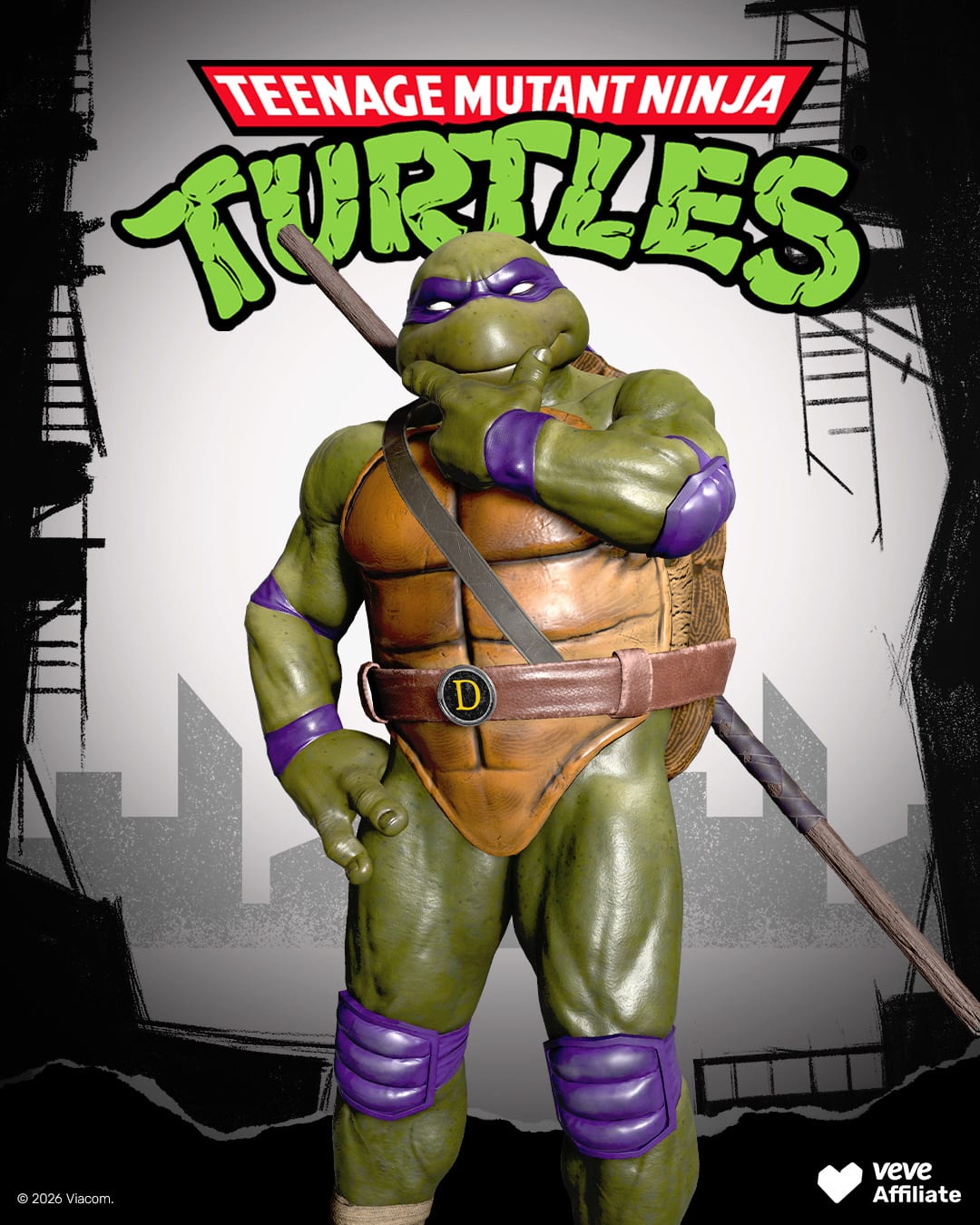
Four turtles, one rat, a sewer, and a print run of about 3,000 copies. That’s how the Teenage Mutant Ninja Turtles started in 1984, and it’s why TMNT is one of the great collector franchises of all time - because the people who loved it watched it go from photocopied-flyer indie comic to global empire, and the artifacts of that journey became treasure.
Now the Turtles are collectible digitally, with official licensed drops on VeVe. Here’s what a Turtles fan needs to know.
What TMNT collectibles exist on VeVe?
VeVe holds a TMNT license, and the Turtles have appeared on the platform in the two formats that matter most to the fanbase: 3D figures - fully rendered collectible figures you can pose and photograph in AR - and comic collectibles, digital editions that put the source material itself in your collection. The Turtles character page tracks their VeVe appearances, and new releases show up on the drop calendar alongside the rest of the platform’s licensed lineup.
If VeVe itself is new to you: it’s a licensed digital collectibles app where every item is a numbered edition with a published supply. The what is VeVe primer covers the basics, and the VeVe review gives you the warts-and-all version.
The word “licensed” is doing heavy lifting here. TMNT’s rights history is famously tangled - Mirage, then Viacom/Nickelodeon owning the property since 2009 - and only official partners get to make real Turtles product. A licensed digital figure uses approved character models; an unlicensed “turtle NFT” is a bootleg wearing a bandana.
Why is the 1984 origin story such a big deal?
Because it’s the best origin story in comics retail, never mind in comics.
In 1984, Kevin Eastman and Peter Laird were two unknown artists in Dover, New Hampshire. They pooled money from a tax refund and a loan from Eastman’s uncle - roughly $1,200 - and self-published Teenage Mutant Ninja Turtles #1 under the name Mirage Studios. The name was a joke: there was no studio. It was a living room.
The comic itself was nothing like the Saturday-morning cartoon that came later. It was black and white, violent, moody - a straight-faced parody of Frank Miller’s Daredevil-era grit (the ooze that mutates the Turtles is a wink at Daredevil’s origin accident). The first printing was around 3,000 copies, sold partly at a comic convention and through ads in trade press.
It exploded. Reprints followed, then the toy line, then the 1987 cartoon, and by 1990 the Turtles were the biggest kids’ franchise on the planet. And that first printing of #1? It became one of the most valuable independent comics in existence - a genuine grail, with high-grade copies commanding sums that would have bought Eastman and Laird a real studio several times over.
That’s the lore every TMNT collector carries: first appearances matter. The scrappy black-and-white original outranks everything that followed. It’s the same instinct that makes first-appearance comics the spine of the whole comic-collecting hobby, and it translates directly to digital - collectors gravitate to the earliest drops, the origin-flavored pieces, the versions closest to the source. The glossary has more on first appearances, grails, and the rest of the collector vocabulary.
Why is TMNT nostalgia collecting so huge?
Because TMNT hit multiple generations at their most collectible age, through formats that were themselves collectible.
The Playmates toy era. The 1988 Playmates action figure line was a phenomenon - hundreds of figures, vehicles, and playsets over its run. Kids who tore those blister packs open in 1989 are adults now, and sealed vintage Playmates figures are serious vintage-toy market material. Every one of those collectors learned young that Turtles + plastic + scarcity = joy.
The arcade era. Konami’s 1989 TMNT arcade game and 1991’s Turtles in Time are all-time greats of the four-player beat-em-up - the games you played shoulder to shoulder at a pizza place, appropriately enough. Arcade nostalgia is its own collecting scene (cabinets, PCBs, home ports), and TMNT sits near the center of it.
Perpetual revival. The franchise never actually left: the 2003 series, the Bay films, Rise of the TMNT, Shredder’s Revenge, the Last Ronin comic. Each wave mints new fans and re-activates old ones. A franchise that refreshes its audience every decade is a franchise whose collectibles always have someone who cares.
Digital collecting slots into this naturally. The same person who displays a vintage Leonardo on a shelf can stand a 3D digital Leonardo on their desk in AR. Different shelf, same love.
What should you look for in a TMNT drop?
A short field guide for drop night:
- Rarity structure. VeVe drops publish edition sizes and tiers - Common through Secret Rare on blind-style releases. Know the ladder before you buy; the rarity tiers guide explains how it works and why the chase pieces are chased.
- Character and version. Is it cartoon-styled, movie-styled, or Mirage-styled? Mirage-flavored pieces carry that first-appearance aura for the reasons above. Collect the era you loved - the 1987 cartoon kid and the IDW comics reader are both right.
- Format. Figures show off best in AR; comic collectibles are for the readers and completionists. Neither is the wrong answer, but they’re different pleasures.
- Your budget, set in advance. This is a hobby. The speculation era around NFTs broadly is over, which honestly made collecting better - the people still here are fans, not flippers. Spend what the fun is worth to you and not a dollar more.
One more thing worth saying plainly, because the Turtles fanbase has been burned by bootlegs before: if you see TMNT tokens on some random marketplace with no license attached, walk away. Licensed or nothing. (For the broader due-diligence conversation, we wrote up an “is VeVe a scam?” write-up so skeptics could check the receipts.)
Collecting the Turtles Digitally
If you ever begged for a Playmates figure, pumped quarters into Turtles in Time, or just want a piece of the franchise that grew from a $1,200 tax refund into a global icon, the digital shelf is easy to try. VeVe gives new collectors US$10 in free credit - no card required - which is enough to grab your first licensed collectible and see the Turtles in AR on your own kitchen table. The how to start guide gets you set up in minutes. Cowabunga remains, as ever, the correct response.