How to Actually Display Digital Collectibles
You display digital collectibles through augmented reality (placing and photographing them in real spaces via apps like VeVe), curated in-app showrooms, and sharing captures to social media. Unlike a screenshot, the displayed piece is a verified numbered edition you own, and AR display is the digital equivalent of moving a comic from the longbox to the wall.
Here’s an uncomfortable truth about physical collecting: most collections are invisible. Comics live in longboxes. Cards live in binders in closets. Figures stay sealed “for condition.” Whole collections spend decades displayed to the inside of a cardboard lid.
Digital collectibles were supposed to fix this, and the tools genuinely exist - but plenty of digital collectors recreate the longbox anyway, buying pieces that then sit unopened in an app. So let’s fix that. This is the practical guide to actually displaying what you collect.
Why is display the whole point?
Think about the collectors you envy. It’s never the person with the most boxes; it’s the person with the wall. The office with the framed covers. The shelf where every figure faces the door. Display is how a pile of stuff becomes a collection - it’s the difference between owning and curating.
Comic collectors know the two modes intimately: the longbox (preservation, alphabetized, unseen) and the wall (the twelve books that say who you are). Digital collecting removes the tradeoff entirely. Nothing degrades, nothing fades in sunlight, nothing needs a mylar sleeve - so there is no preservation excuse. Every piece can be on the wall. The only question is whether you put it there.
How do you take AR photos that actually look good?
Augmented reality is the headline display feature on VeVe - point your phone at the floor, place a full-scale collectible in the room, and photograph it like it’s really there. Done lazily it looks like a sticker slapped on a photo. Done well it’s uncanny. The difference is technique:
Light is everything. AR pieces render with their own shading, so they look most convincing when the room’s light roughly matches. Bright, even daylight is the easy mode. Avoid strong single lamps that cast real shadows your digital piece won’t match.
Shoot low, shoot close. The rookie shot is top-down from standing height, which makes a life-size statue read like a desk toy. Crouch. Put the camera at the collectible’s chest height and let it tower. Low angles sell scale.
Give it something real to interact with. Place the piece behind a real object - a chair, a doorframe, your cat if it cooperates. Partial occlusion is the single strongest “it’s really there” cue your brain gets.
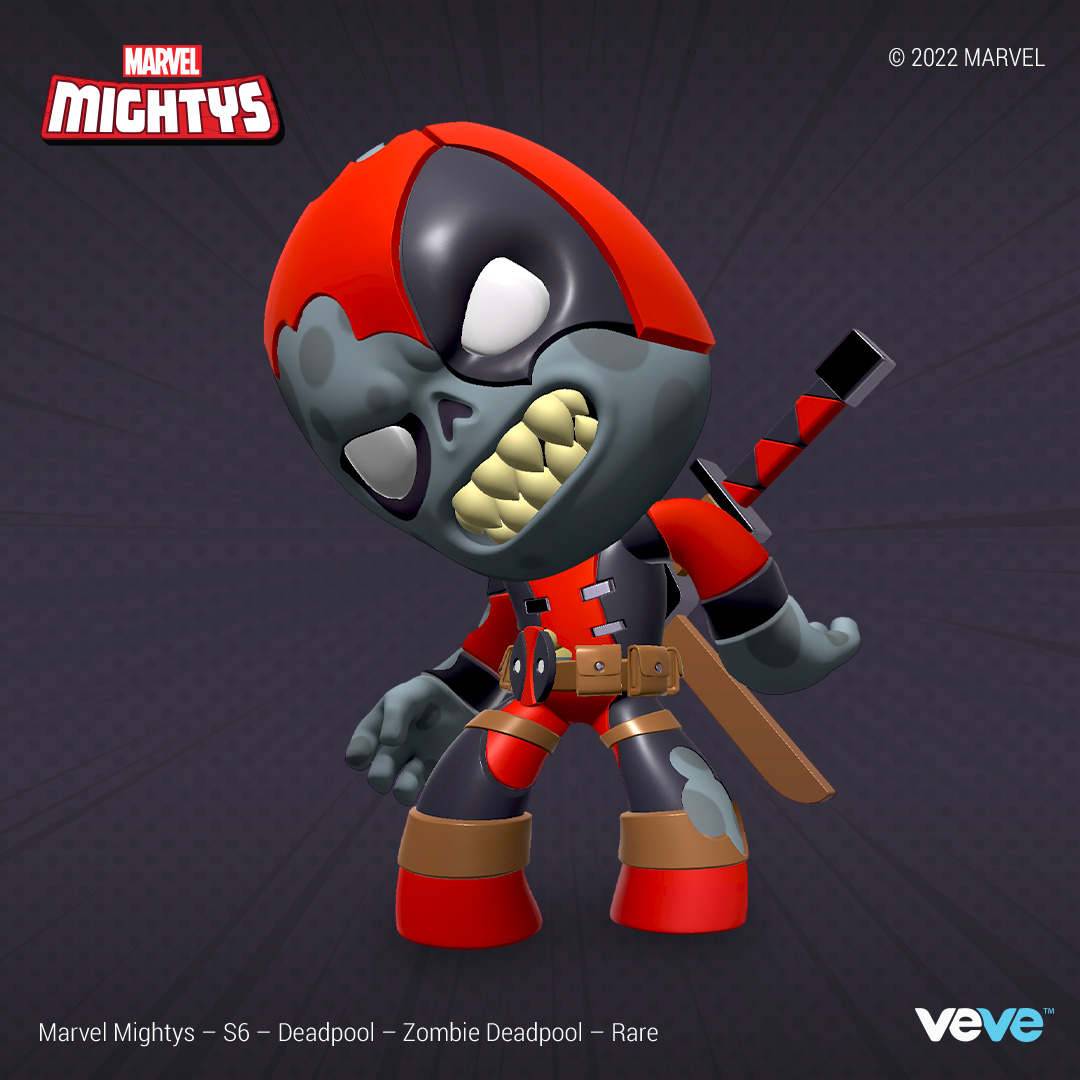
Match the scene to the character. Deadpool sprawled on your couch works because it’s a Deadpool joke. A regal piece wants a hallway, a pedestal, a doorway framing it. The environment is half the composition - you’re not photographing a model, you’re staging a scene.
Steady the phone. AR tracking drifts when you wave the phone around. Plant your elbows, place the piece, then compose. If your AR session glitches, our AR troubleshooting guide covers the usual fixes.
And a note for comic collectors specifically: comics on VeVe get their own AR reading mode, which deserves its own conversation - we’ve written about why reading comics in AR feels different.
What are showrooms, and how should you curate one?
AR is the photo op; the showroom is the gallery. VeVe’s showrooms let you arrange collectibles into a curated space other collectors can visit - your permanent exhibit rather than a one-off snapshot.
The curation advice is the same as for a physical shelf, because it’s the same skill:
- Theme beats volume. Ten pieces that tell one story (your Marvel run, your anime lineup, your Sung Jinwoo progression) beat forty pieces that tell none.
- Anchor with a grail. Every good display has a centerpiece. Build sightlines toward your best piece the way a comic wall builds toward the key issue.
- Rotate. The museums you love change exhibits. A showroom you rearrange monthly stays alive; one you set up once becomes a longbox with better lighting.
Screenshot vs ownership: what’s actually the difference?
Time to address the oldest heckle in digital collecting: “lol, I’ll just screenshot it.”
Sure. And a photo of a Cover A first print is also free. Nobody confuses the photo with the book, because collecting was never about access to the image - images of every comic cover ever printed are a search away. Collecting is about being the person of record. The numbered edition, the verified provenance, the this one is mine.
A screenshot of a collectible is a picture of someone else’s thing. The owned piece carries its edition number and its ownership record, and everything downstream - showrooms, AR display, trading - runs on that verification. (More on how that works under the hood in what a VeVe NFT actually is.) The screenshot heckler and the “it’s just a JPEG” heckler are making the same mistake: confusing the image with the object. Collectors have never made that mistake, in any medium, in 150 years.
The fun irony: display turns the heckle inside out. When you post an AR shot of your numbered piece, people can screenshot it - and that’s fine, because what they’re screenshotting is your display of your piece. That’s not theft; that’s an audience.
How do you share without being insufferable?
Digital collecting is social by default - drop nights, pull reveals, showroom tours. A few norms that keep it fun:
- Post the scene, not the receipt. An AR photo with composition and a joke lands; a raw inventory list reads like bragging. Show the collection doing something.
- Celebrate other people’s pulls like you’d want yours celebrated. Reply energy is the currency of collecting communities.
- Tag the character, not just the platform - that’s how fellow fans of the franchise actually find you.
If you’re new to all this and the vocabulary is foreign, the glossary has you covered, and our getting started guide gets you from zero to first piece in one sitting.
The wall, not the longbox
Every collecting hobby eventually learns the same lesson: the collection you display is the one you enjoy, and the one you enjoy is the one you keep. Digital collecting hands you an infinite wall, zero framing costs, and a camera that puts a seven-foot statue in your kitchen. Using it is the whole game.
Setting Up Your AR Display
If you don’t have anything to display yet, that’s the easiest problem in this article to solve: VeVe gives new collectors US$10 in free credit - no card required - which covers your first piece. Pull something, stand it in your doorway, shoot low, and post it. Welcome to the wall.