The Most Valuable Action Figures Ever (Boba Fett Keeps Winning)
The most valuable action figure is the 1979 rocket-firing Boba Fett prototype, which has sold for over $200,000 at auction. The toy was never released to stores - the firing rocket was scrapped over safety concerns - making surviving prototypes the ultimate Star Wars grail. Prototypes, errors, and first production runs are the action-figure equivalent of comic first appearances.
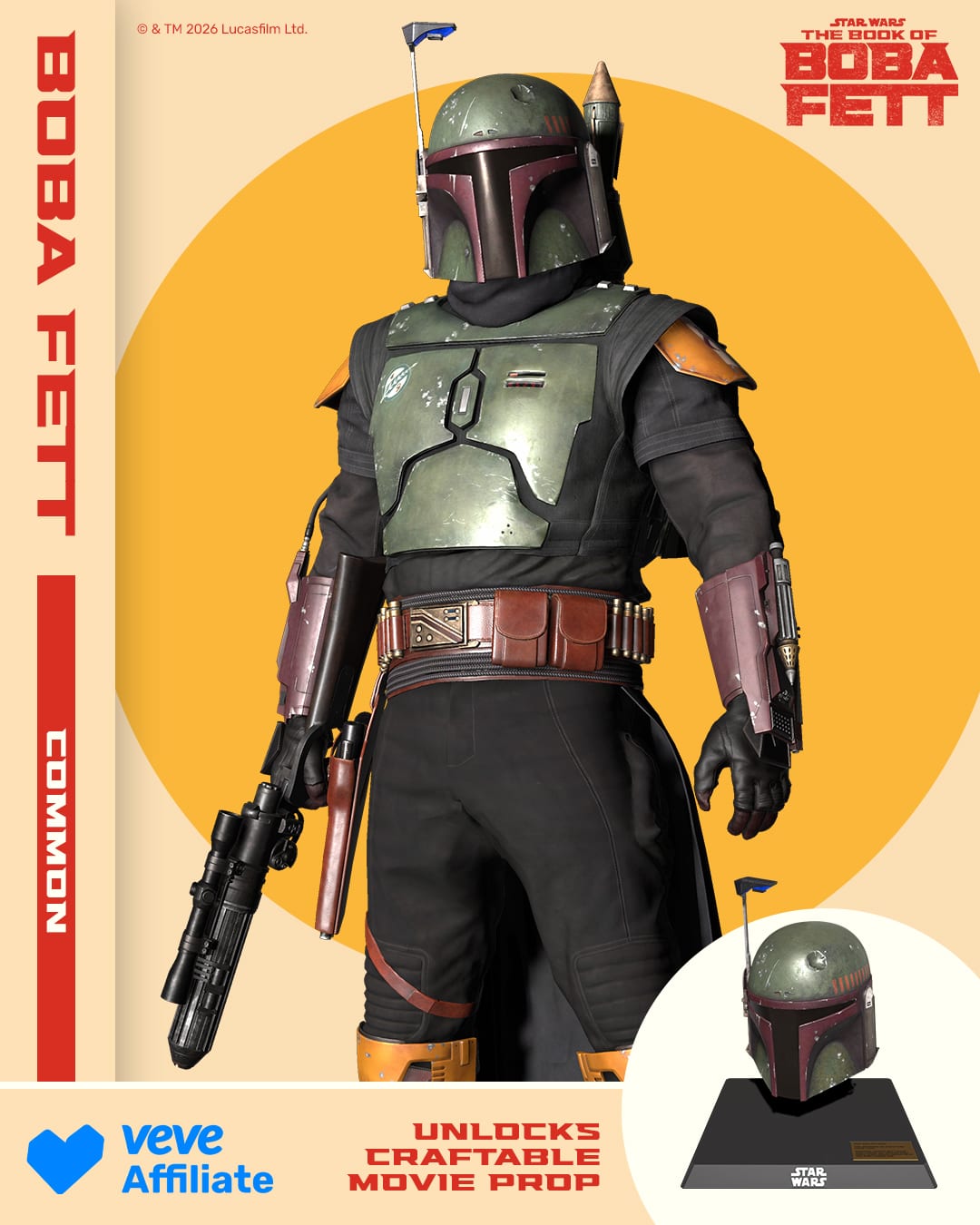
Comics have Action Comics #1. Action figures have a four-inch bounty hunter with a rocket in his backpack that was never supposed to leave the building.
The king: rocket-firing Boba Fett
In 1979, Kenner planned a mail-away Boba Fett figure with a spring-loaded rocket that actually fired. Then a competitor’s projectile toy became a safety scandal, and Kenner glued the rocket in place before release. Every Fett that reached kids’ hands had a fixed rocket.
The prototypes with the working launcher? A handful survived, smuggled out of the design process or saved from the scrap heap. When one surfaces at auction today, it sells for over $200,000 - the most valuable action figure on the planet. Boba Fett had maybe four lines in the original trilogy. Doesn’t matter. The chase is about the object, not the screen time.
The rest of the podium
The pattern repeats across the hobby’s biggest sales:
- 1978 vinyl-cape Jawa - The first Jawa figures shipped with a flimsy vinyl cape before Kenner switched to a cloth robe. The vinyl version was on shelves for a blink. Carded examples sell for tens of thousands.
- Double-telescoping lightsabers - The very first Luke Skywalker, Darth Vader, and Obi-Wan figures had a two-stage extending lightsaber that was expensive and fragile, so Kenner simplified it almost immediately. The double-telescoping Vader and Obi-Wan are among the rarest production figures ever made.
- G.I. Joe prototype (1963) - Hasbro’s original hand-built prototype of the first “action figure” (they invented the term so boys wouldn’t be caught playing with a “doll”) sold at auction for six figures. It’s the literal origin of the entire category.
- 1959 #1 Barbie - The first-run Barbie with holes in the feet for her stand. Mint boxed examples have sold for over $25,000, and the #1 marks the start of the best-selling doll line in history.
Prototypes are the hobby’s first appearances
See the thread? Every top figure is a prototype, an error, or a first run. That’s the toy world’s version of a comic first appearance: the point closest to the origin, before the design settled, when almost nothing survived.
The logic is identical to why the ten most valuable comics ever sold are nearly all first appearances. Collectors don’t chase the most common version of a thing they love - they chase the earliest, scarcest link to it. We unpacked that whole psychology in What makes a grail?
And nobody planned any of it. Kenner wasn’t manufacturing rarities; they were fixing a safety problem. Scarcity that happens by accident is the kind you can’t fake.
The digital parallel: first series, low numbers
Digital collectibles inherit the same rules with the guesswork removed. On VeVe, a figure drop is a numbered, limited edition - and the first series of a character, or a low mint number, plays the same role a first run plays in plastic: it’s the earliest official version, and everyone can verify exactly how many exist.
The difference is transparency. Nobody knew in 1979 which figures would become grails. With a digital edition, the supply is public from day one - the chase is about rarity tiers and mint numbers, not decades of attic archaeology.
Star Wars drops land on VeVe regularly - check the drop calendar and browse Boba Fett’s character page to see what’s live. New collectors get US$10 in free credit, no card required. The rocket fires this time.