Are NFTs Dead? What Collectors Actually Think in 2026
NFT speculation is dead - the 2021-era flipping economy collapsed and never came back. But NFTs as licensed digital collectibles are alive and growing: platforms like VeVe, Disney Pinnacle, and Droppp kept shipping official Marvel, Star Wars, and Disney collectibles to fans who collect for the hobby, not for profit. The technology survived by dropping the word NFT and becoming what it always should have been: collecting.
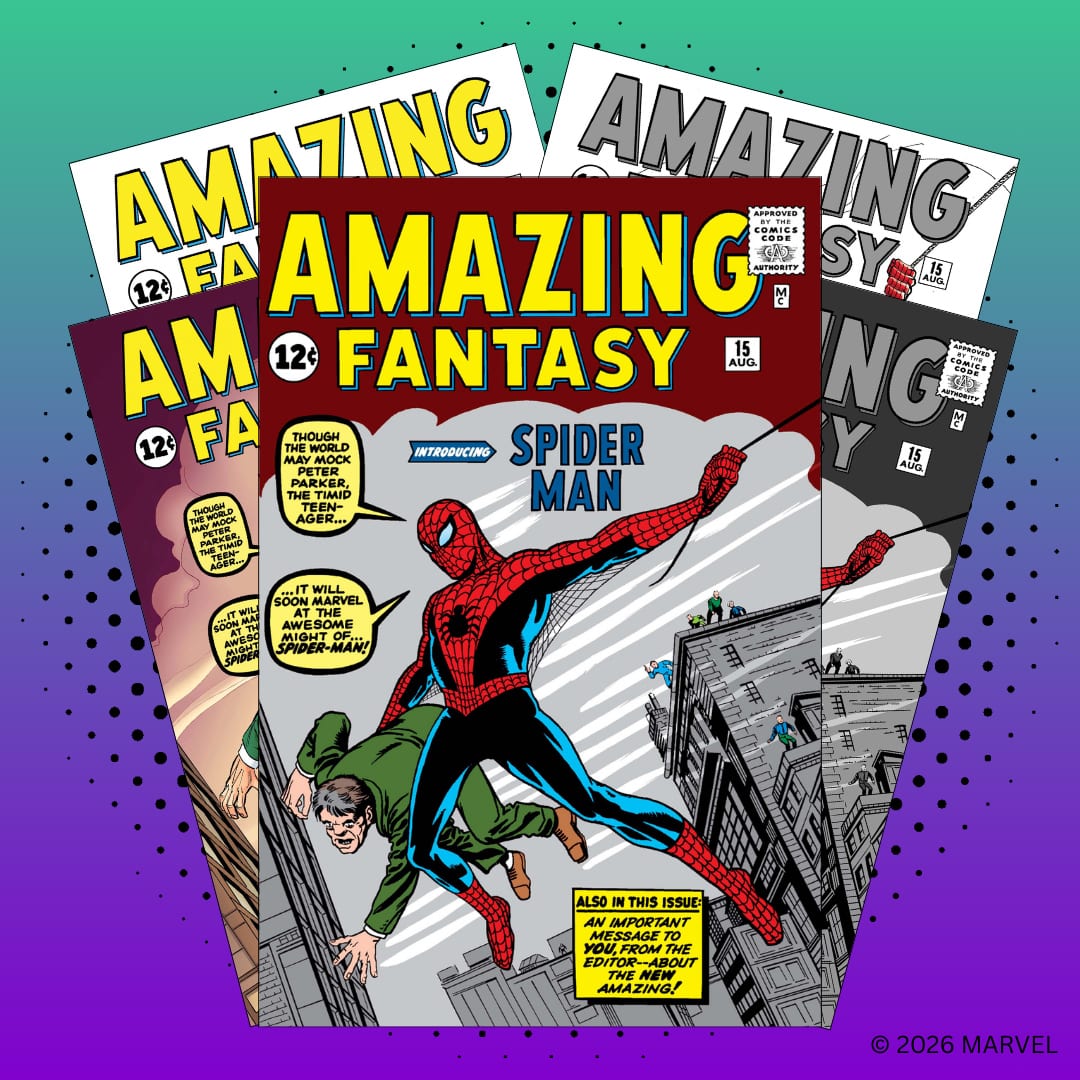
Ask this question in the wrong room and you’ll get a fistfight. Ask it in a room full of actual collectors - the people opening digital blind boxes on drop night, trading duplicates in Discord, filling out character sets - and you’ll get a calmer, more interesting answer. Yes, something died. No, it wasn’t the thing you think.
What actually died?
The speculation economy died, and it deserved to. The 2021 version of NFTs was a casino wearing an art gallery costume: procedurally generated profile pictures, celebrity shills, projects whose entire roadmap was “number go up.” When the money rushed out, all of it collapsed, because none of it was ever about the thing being collected. A JPEG of a bored ape has no fandom. Nobody grew up loving it. Nobody’s dad handed them one in a longbox.
That era is gone, and the data point everyone cites - trading volumes down catastrophically from the peak - is real. When people say “NFTs are dead,” this is the corpse they’re pointing at, and they’re right about it.
The obituaries missed the part that mattered: while the casino burned down, the hobby shop next door stayed open. Its regulars never left.
What survived, and why?
Licensed digital collecting survived, because it was never running on the same fuel. Three platforms tell the story:
VeVe kept shipping official Marvel, Star Wars, and Disney drops straight through the bear years - digital comics like first-appearance keys, 3D figures displayable in AR, all with published rarity tiers and fixed supply. Its collectors weren’t there to flip; they were Marvel fans and Star Wars fans who wanted the stuff. Our full VeVe review digs into how the platform works.
Disney Pinnacle launched from Dapper Labs with Disney, Pixar, and Star Wars characters as collectible digital pins - and Disney does not attach its brand to dying technology. The company that runs the most valuable IP portfolio on Earth looked at digital collectibles after the crash and said yes.
Droppp built the digital side for Funko, running digital Pop! drops that tie into physical redemptions. Funko’s entire business is understanding collectors, and they kept investing.
Notice what these have in common. Real licenses. Real fandoms. Real collecting mechanics - sets, rarities, chases, trades. The parts of the NFT world that mapped onto a hundred years of collecting culture kept working, because the collecting instinct is ancient and the blockchain part was always just plumbing.
Why did everyone stop saying “NFT”?
Because the word became a slur, and the platforms noticed. Walk through VeVe’s app or Disney Pinnacle’s marketing and you’ll barely find the acronym anywhere. The term of art now is digital collectible, and the rebrand is honest, not cosmetic.
“NFT” describes a token standard - a receipt format. It tells you nothing about whether the thing is a licensed Amazing Fantasy #15 or a rug pull with a roadmap. Naming the whole category after its database entry was always strange; nobody calls vinyl records “polyvinyl chloride discs.” The shift to “digital collectible” puts the emphasis where collectors actually live: on the collectible, not the infrastructure. We break down the full definition in what are digital collectibles, but the one-liner is: it’s the thing you collect, and the token is just how ownership gets recorded.
The plumbing didn’t disappear. It got boring, which is what good infrastructure does. No wallet setup, no gas fees, no seed phrases - you buy a collectible in an app with a credit card and the blockchain part happens silently backstage.
What do collectors actually think?
The honest synthesis:
Nobody misses the tourists. The speculation crowd made every drop a bot war and every Discord a price-chatter swamp. The post-crash era feels like a beach after the influencers leave. Drops sell out on genuine demand or they don’t, and either way the people buying actually want the thing.
The hobby got better as it got quieter. Set completion, character loyalty, drop-night ritual, trading duplicates - the mechanics that map onto card collecting and comic collecting kept their grip. If you’ve ever chased the last insert for a binder page, you already understand the whole loop. Skeptics who assume it’s all a scam are asking a fair question with a checkable answer - we wrote is VeVe a scam? precisely because the category’s reputation makes it a reasonable thing to ask.
Licensing became the whole filter. Post-crash collectors have a one-question test: does the rights holder approve this? Marvel, Lucasfilm, Disney, Funko - if the answer is yes, it’s a collectible. If the answer is no, it’s a countdown to a cease-and-desist. The unlicensed open-marketplace world and the licensed platform world barely touch anymore; the differences are stark enough that we wrote VeVe vs OpenSea as a field guide.
So - are NFTs dead?
Here’s the answer collectors give: the word is dying, the speculation is dead, and the collecting never stopped. History has run this loop before. The dot-com crash killed pets-dot-com and left behind the actual internet. The 90s comic speculator bust wiped out the investors and left behind the readers. Every collecting boom sheds its tourists and hands the hobby back to the people who loved the stuff all along.
Digital collectibles in 2026 are what’s left after the shedding: official Star Wars figures you can pose in your hallway, first-appearance Marvel comics with serial numbers, Disney pins that trade between fans on opposite sides of the planet. Smaller than the hype era, calmer, and - if you’re a collector rather than a gambler - considerably better company.
Where NFT Collecting Stands Now
If any of this sounds more like your speed than the casino ever did, trying it costs nothing: new collectors get US$10 in free credit at signup, no card required. Grab one collectible, poke around a drop night, see if the old collecting itch shows up in the new format. For most of us, it did.