The New Age of Collecting Has Already Started
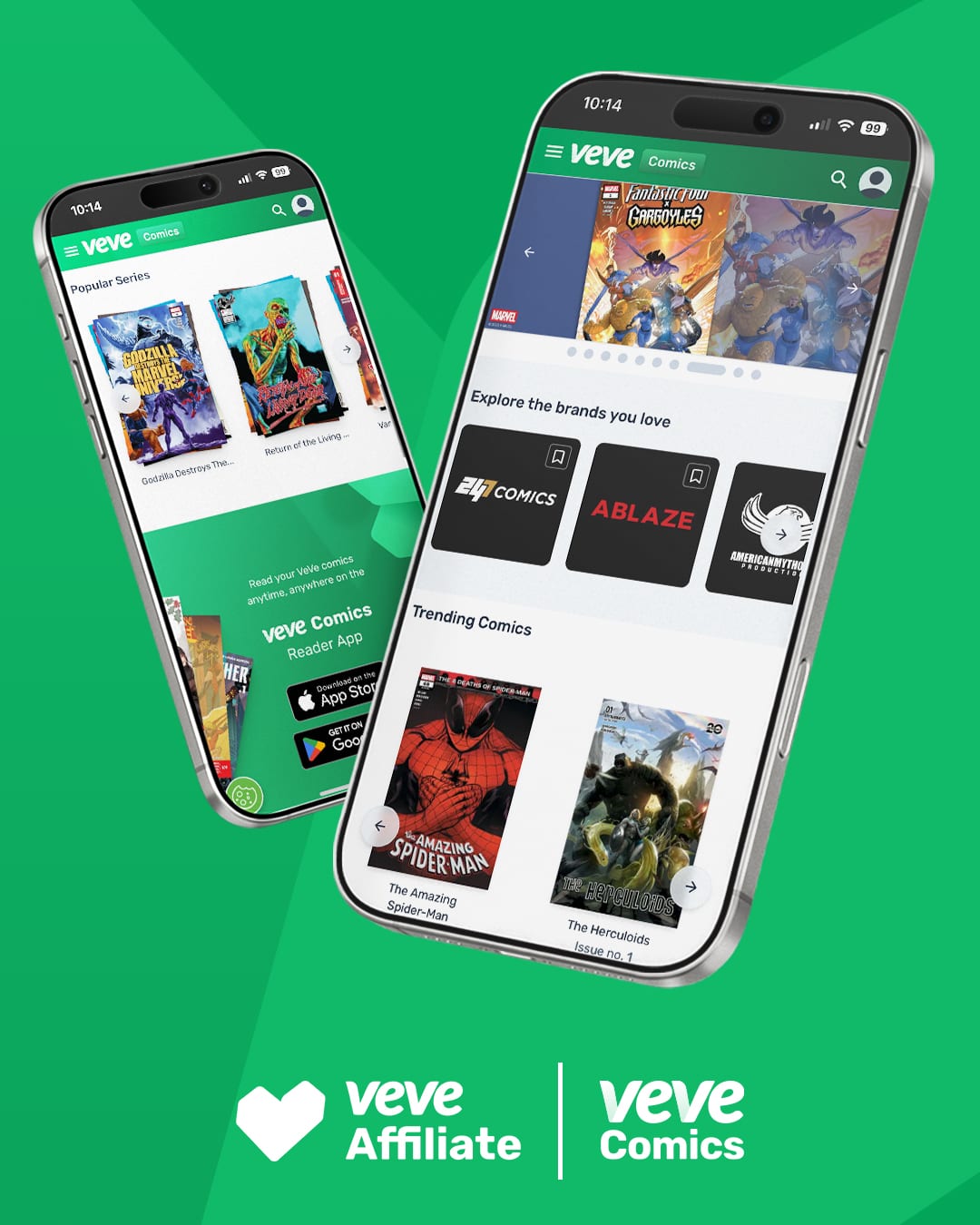
Digital collecting is the newest format in a lineage that runs from stamps to trading cards to comics to vinyl to sneakers to Pop Mart blind boxes. What digital adds is verifiable numbered editions, zero physical storage, augmented-reality display, and instant worldwide trading. The era began in earnest when platforms like VeVe secured official licenses from Marvel, Disney and Lucasfilm, and its early chapter - first drops, founding community stories, low mint numbers still in reach - is happening right now.
Every generation thinks collecting was invented by the one before it, perfected by theirs, and ruined by the next. Every generation is wrong in the same charming way.
Victorian kids soaked stamps off envelopes and their parents called it clutter. Tobacco cards became baseball cards became a national obsession, and each wave of collectors was told the previous wave was the “real” one. Comics were disposable until they were grails. Vinyl was obsolete until it was sacred. Sneakers were shoes until they were culture. Pop Mart proved a plastic figure in a sealed box could make grown adults line up around the block in 2024.
The pattern is the point: every era hands its collectors a new format, the format gets dismissed, and then it gets a history section. We wrote the long version in 150 years of collecting, and the arc never changes.
So here’s the claim this whole piece rests on: digital is this generation’s format, and the new age didn’t just arrive - it already started. The interesting question isn’t whether it counts. It’s whether you’re going to be in the early chapter or read about it later.
What did every previous format actually give collectors?
Strip away the nostalgia and every great collecting format delivered the same four things:
- Something to chase. Scarcity, whether printed (“1 of 500”) or accidental (most golden-age comics got thrown away).
- Something to display. The shoebox, the binder, the longbox, the shelf, the glass case.
- Somebody to show. Trading in the schoolyard, the card shop, the convention floor.
- A story to belong to. Every hobby’s veterans have their founding tales - the spinner rack, the pack-fresh rookie, the campout for a release.
Judge any format on those four, honestly, and you’ll see why each one worked. Now run digital collectibles through the same test.
What does digital actually add?
Not “digital pictures.” That framing misses everything. Here’s what the format adds that no cardboard or vinyl ever could.
Verifiable editions. A physical print run is a rumor. Companies misreported, overprinted, “found” cases in warehouses decades later. A digital edition on a platform like VeVe is published math: this many exist, yours is #217, and anyone can check. The certainty collectors spent a century paying graders and authenticators to approximate is now just… built in. Scarcity with receipts.
Zero storage, zero decay. No yellowed pages, no dinged corners, no humidity anxiety, no garage full of bins your family will one day inherit with a sigh. Your collection weighs nothing, survives house moves, and edition #217 stays exactly as minted forever. Condition - the thing that made physical collecting expensive and heartbreaking in equal measure - simply stops being a variable.
Display that ignores physics. Augmented reality puts a life-size licensed Spider-Man in your hallway through your phone camera. Comic collectors can actually read their first-appearance issues - the digital comics on VeVe include the actual keys, readable in-app, which is more than anyone with a slabbed book can say.
A worldwide schoolyard. Trading used to be bounded by geography - your neighborhood, your card shop, your convention weekend. Digital collecting’s trade floor is every collector on Earth, instantly. Two collectors on opposite sides of the world can swap grails before breakfast.
Four for four, plus range the old formats never had. The format test doesn’t just pass; it passes with new categories.
Who’s already in?
This isn’t a hypothetical future being pitched to you. The room is already full.
Hundreds of thousands of collectors are already on VeVe, pulling licensed drops from Marvel, Star Wars, Disney, TMNT, Solo Leveling, Ubisoft and Avatar. Drop nights already have their rituals - the countdown, the queue, the reveal screenshots flooding Discord, the mint-number hunting threads. There are already grails, already legendary pulls, already “you had to be there” moments. The characters roster reads like the last century of pop culture took a group photo.
And crucially, the on-ramp got easy. No crypto wallets, no seed phrases, no fees-for-existing - you buy with normal money in a normal app, as the getting-started guide shows in about ten minutes. The era truly began when the licenses arrived and the homework left.
Why does the early chapter matter?
Here’s the part every collecting history agrees on, and it has nothing to do with money.
The early chapter of a format is when the experience is richest. Early collectors don’t just acquire things - they get first crack at everything that later generations inherit second-hand:
First drops. Somebody was there for the first Marvel drop on VeVe. That’s a founding story, the digital spinner rack. Those stories are being written right now, on this month’s drop calendar, and you can be in one instead of hearing one.
Low mint numbers. When a hobby is young, edition #8 of something is genuinely gettable. Ask any veteran card collector what the early years were like before twenty million people showed up to every release. That window is a phase of the era, and it only happens once per format.
Naming the culture. Early collectors decide what a grail is, which sets matter, what the etiquette of trading looks like, which rarity chases become the classic ones. Latecomers join a culture; early collectors write it.
Knowing everyone. Small-era communities are the ones people get nostalgic about. The Discords where the same hundred names show up on drop night, the AR photo contests, the veterans who remember your first pull. That intimacy doesn’t survive scale - it never has, in any hobby.
None of that is about what anything will be worth, and don’t let anyone reframe it that way. It’s about the difference between attending the first season of something and streaming it later. Both are fine. Only one of them puts you in the story.
So is this really “the new age,” or just a phase?
Fair question, and the honest answer is: the format test says new age.
Phases don’t get Disney. Phases don’t produce official first-appearance comics as numbered digital editions, or ongoing licensed lines from the most guarded IP vaults in entertainment. The infrastructure, the licenses, the community rituals, the grail canon - all of it is already standing. What digital collectibles are and how they work is settled enough that we wrote a full explainer for people’s skeptical relatives.
Stamps had albums. Cards had binders. Comics had longboxes. Vinyl had crates. Sneakers had walls. This generation’s collection lives in a phone and stands life-size in the living room via AR.
Every previous era’s collectors would have taken that deal in a heartbeat. This era’s collectors actually can.
Joining the New Age of Collecting
The early chapter is the one you can still walk into. VeVe gives new collectors US$10 in free credit - no card required - enough to pull your first licensed collectible tonight and see the format for yourself. Claim your free US$10 here, pick the character your childhood self would scream about, and start your own “I was there” story.