Todd McFarlane and the Spider-Man everyone draws
Todd McFarlane is the Canadian artist who took over Amazing Spider-Man with issue #298 in 1988 and changed how the character is drawn. He co-founded Image Comics in 1992, created Spawn, and founded McFarlane Toys in 1994. His Spider-Man #1 from 1990 is one of the best-selling single comic issues ever published.
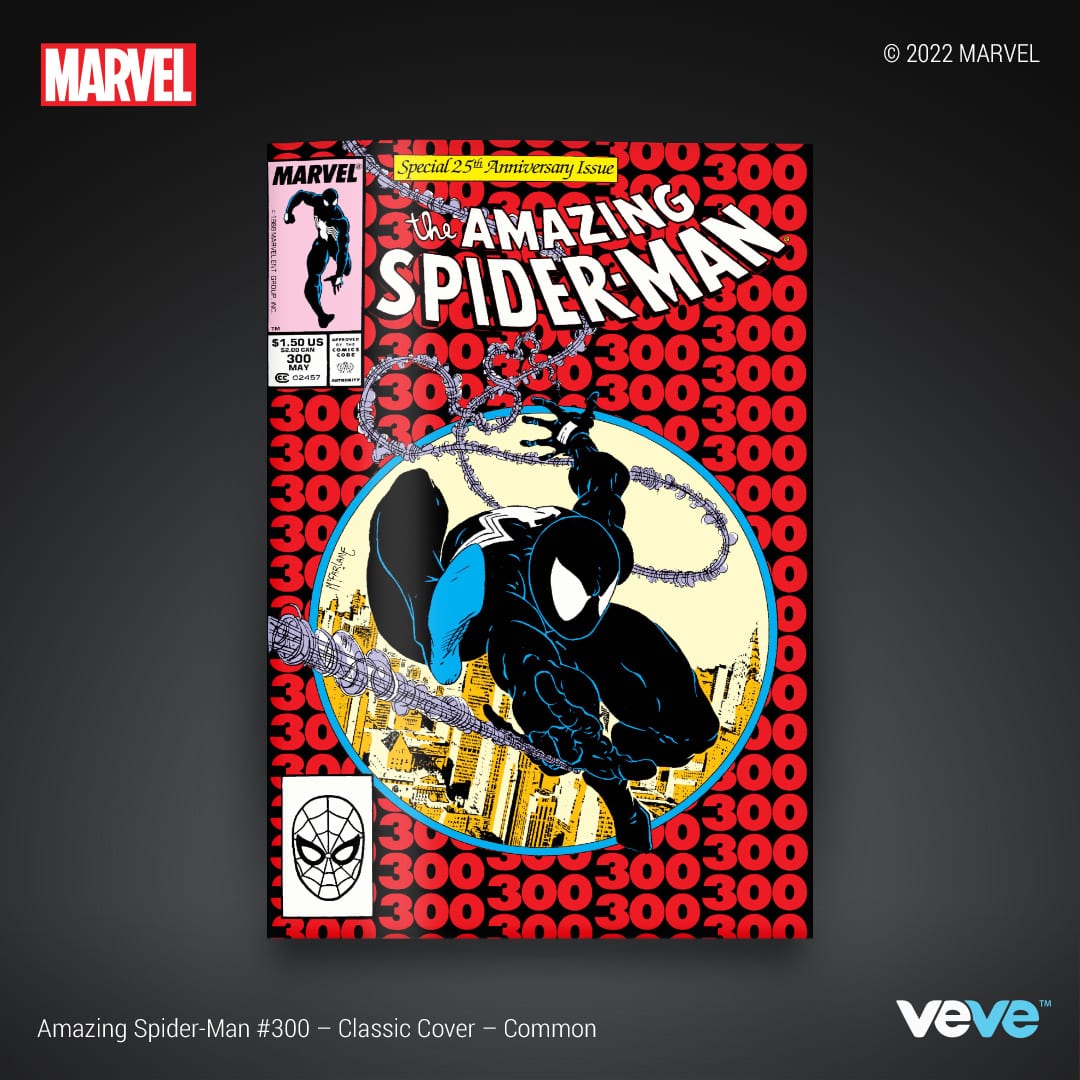
The webbing is the tell. Before 1988, Spider-Man’s webs were a neat grid, ruled lines laid over a flat shape, drawn more or less the same way since the series began in 1963. Then a Canadian penciller started drawing them as loose spaghetti, hundreds of wandering strands that pooled and tangled and never ran parallel to each other. Inkers hated it. It took forever. It also became the default, and it is still the default almost forty years later.
That is a strange thing for one artist to achieve on a character owned by somebody else. It is also only the fourth or fifth most interesting thing Todd McFarlane did.
Six hundred rejection letters and a fallback career
McFarlane was born in Calgary in 1961 and wanted to be a professional ballplayer. Comics were the backup plan, and for a long stretch they were not going well. He has talked often about the sheer volume of submission packets he mailed out and the stack of rejections that came back, which is the least romantic origin story in the business and probably the most useful one, because it means his line was built out of repetition rather than luck.
He broke in at DC in the mid-1980s on Infinity Inc., a second-tier book where nobody was watching closely, then picked up work on Detective Comics. The early pages look like a talented artist doing a competent impression of the house style. What changed things was the move to Marvel and a run on The Incredible Hulk with Peter David starting in 1987, the grey-skinned Las Vegas stretch, where the figures started getting stretchy and the panel borders started getting violated. He was finding it. Then editorial handed him Spider-Man.
Amazing Spider-Man #298, and a character quietly rebuilt
His first issue as penciller was Amazing Spider-Man #298, cover dated March 1988, written by David Michelinie. It is a good jumping-on point for a reader and a slightly bewildering one for anybody who had been buying the book for a decade, because the art does not look like the art did last month.
The eyes are the second tell. McFarlane blew out the white lenses on the mask until they took up most of the face, and then he made them do work, narrowing and widening and squinting, so a character with no visible expression suddenly had a range. The body is the third. He drew Spider-Man crouched, folded, spine bent in ways a human spine does not bend, knees up around the ears, fingers splayed. It reads as an animal rather than an athlete. That is a legitimate reading of the character, and once you see it you cannot unsee it, which is why every artist since has had to decide whether to do the McFarlane crouch or deliberately avoid it.
The run also happened to sit on top of one of the biggest character debuts of the decade. Eddie Brock turns up in a cameo in #298, the symbiote suit appears at the end of #299, and the full reveal lands in the double-sized Amazing Spider-Man #300 in May 1988. Venom’s look, the grin and the tongue and the mass, is McFarlane’s design problem solved in McFarlane’s way. The black suit itself had arrived years earlier in Amazing Spider-Man #252, but the thing collectors chase came out of that 1988 stretch. If you want the wider picture of how the character’s rogues gallery stacks up, the Spider-Man hub is the place to start.
The issue that proved the artist was the draw
In 1990 Marvel did something it had not done for an artist before: gave McFarlane a new Spider-Man title to write and draw himself, with his name on it and no adjective in front of the logo. Spider-Man #1 shipped in August 1990 with multiple covers, including a polybagged edition, and it sold in the millions. It is routinely listed among the best-selling single comic issues ever published in North America.
Read that as a labour fact rather than a sales fact. A publisher had just demonstrated, in public, that a specific penciller could move a million copies of a book nobody had asked for. The artists noticed.
Seven people leave, and the industry reorganises
In 1992, McFarlane left Marvel along with Jim Lee, Rob Liefeld, Marc Silvestri, Erik Larsen, Jim Valentino and Whilce Portacio to found Image Comics. The arrangement was that each founder owned what he made and Image published it without taking the copyright. That sounds like a business decision and it was, but the grievance underneath it was about work-for-hire, royalties and who gets to own a character after they invent it. Creators had been losing that argument since the 1930s.
Spawn #1 arrived in May 1992 and sold well over a million copies. Al Simmons, a dead government assassin, cape the size of a room, chains, alleyways, a lot of green. The comic is still running. It passed issue #300 in 2019, which made it the longest-running creator-owned superhero comic, and it is still owned by the man who drew it.
Turning the merchandise into the thing itself
McFarlane Toys followed in 1994, and it exists because he could not get anyone to make a Spawn figure that looked like Spawn. The action figure market at the time ran on five points of articulation and simplified soft shapes, built to survive a six-year-old. McFarlane’s line went the other way: dense sculpts, deep paint washes, bases and accessories, figures that were made to stand on a shelf and be looked at.
That decision is upstream of a lot of what collectors now take for granted. The premium-sculpt figure, the character-accurate paint job, the adult buyer who never opens the box - McFarlane Toys did not invent every piece of that, but it proved the market at scale, and the rest of the industry followed within about five years. The most valuable action figures ever sold are mostly rare vintage pieces from the 1970s and 1980s, but the reason the modern collector figure exists as a category at all runs through this company.
Then there is the baseball. In January 1999 McFarlane paid $3,005,000 at auction for the ball Mark McGwire hit for his 70th home run in the 1998 season, and picked up several other milestone balls from that summer in the same round of bidding. He put them on tour rather than in a vault. It remains one of the most-cited prices ever paid for a piece of sports memorabilia, and it was paid by a comic artist.
Why any of this matters at a collecting table
McFarlane is the clearest case we have of an artist becoming the thing that is collected. Not the character. Not the publisher. The artist. People bought Spider-Man #1 because of the signature on the cover, bought Spawn #1 from a company that had existed for a matter of months, and bought action figures because of whose name was on the box. The creator credit went from a small line of type to the product.
That matters on a digital shelf too. VeVe carries officially licensed digital editions of Marvel comics, including issues from the exact stretch of Amazing Spider-Man that made his name, and the comics section covers how those editions work as objects you read full-screen with a numbered edition recorded against your account. When you are sorting a run, the artist is a perfectly good organising principle. Better than chronology, sometimes.
The thing about the spaghetti webbing is that it was never correct. Real webs are geometric. McFarlane drew them wrong on purpose because wrong looked better in motion, and enough people agreed that wrong became the standard. That is what one stubborn draughtsman can do to a character he does not own.