What on-chain ownership actually means for a collector
On-chain ownership means a public, timestamped ledger records that a specific numbered edition is assigned to a specific account, along with every transfer since it was issued. It does not give you copyright, it usually does not store the artwork itself, and it does not create scarcity on its own. The issuer and the licence decide the edition size; the chain only records it faithfully.
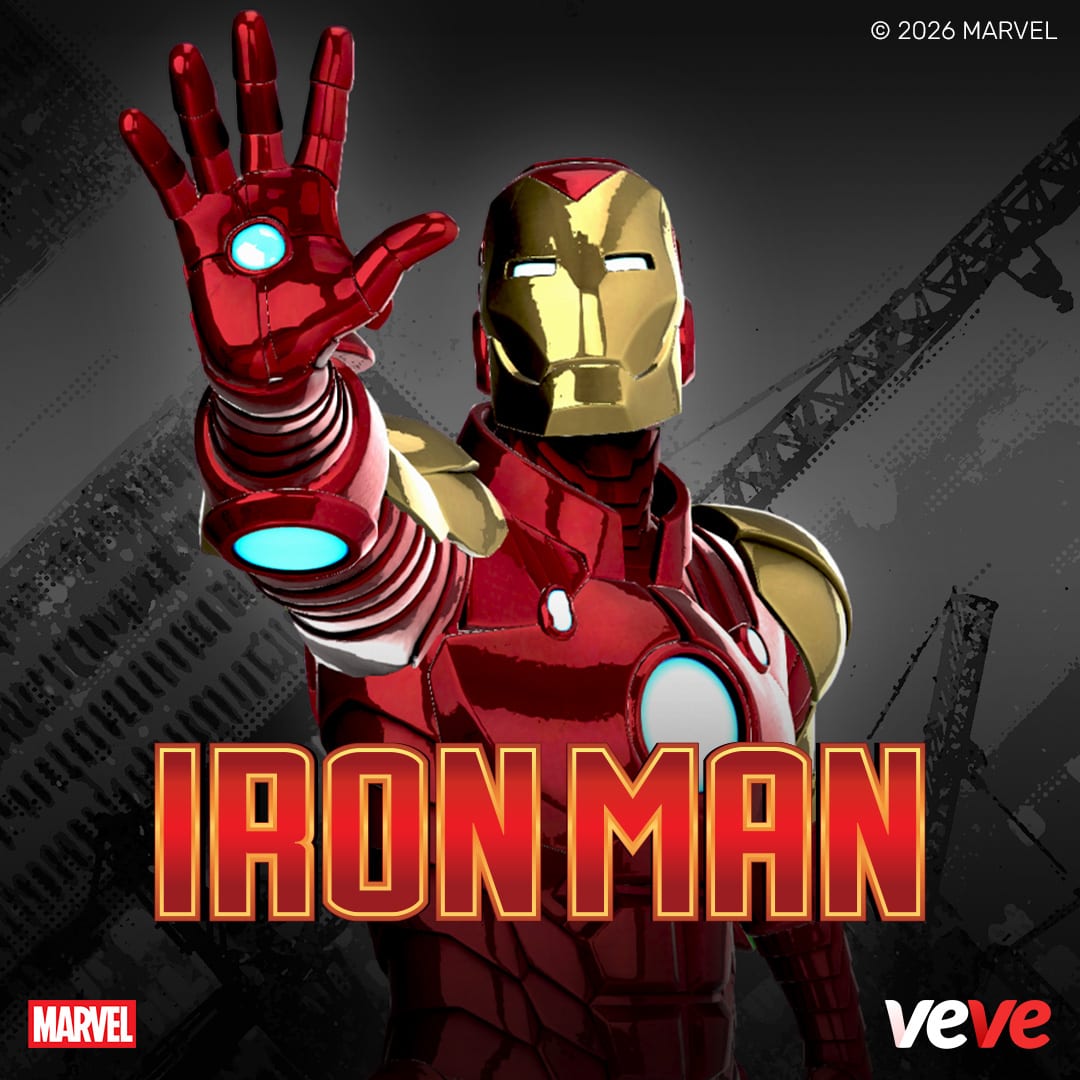
A blockchain record is a very good clerk, and nothing more than that. It writes down that edition 412 of 5,000 belongs to a particular account, it stamps the entry with a time, and it will not let anyone quietly go back and change what it wrote. That is the entire job. Knowing exactly where that job stops is the difference between collecting with your eyes open and nodding along in a Discord server.
The ledger is a record book, not a strongbox
Picture the ledger at an old auction house. Every lot that comes through gets a line: what it was, who consigned it, who bought it, what date. Decades later, a researcher can follow a single object back through five owners because the book kept the entries in order and the house never tore a page out.
A blockchain is that book with two upgrades. Anyone can read it without asking permission, and the entries are chained together mathematically, so altering an old line would break every line that came after it. That is what people mean by tamper-evident. Not that tampering is impossible in some magical sense, but that tampering is immediately obvious to anyone who looks.
What lives in that record for a digital collectible is narrower than most people assume. There is an identifier for the item, an edition number, an account address that currently holds it, and a list of transfers going back to the moment it was issued. That is usually the whole entry. The provenance record is genuinely useful, and it is genuinely small.
Where the artwork actually lives
Here is the part that surprises people. In most designs, including nearly every large collectibles platform, the artwork is not stored on the chain at all.
Storage on a blockchain is expensive, because every participant keeps a copy of everything forever. A 40 megabyte 3D model with animation, sound and an augmented reality mode would be absurd to store that way. So the record holds a pointer: a reference to where the media lives, on ordinary servers or a distributed file system. The chain says “edition 412 is this thing, and this thing is described over there.”
For a collector, the practical reading is simple. The chain proves the assignment. The platform delivers the experience. Those are two separate promises from two separate places, and it is worth holding them separately in your head when you are deciding whether you trust something.
What a certificate of authenticity does, and how it fails
Physical collecting solved a version of this problem a long time ago, and solved it imperfectly. A certificate of authenticity is a piece of paper saying that the signature on the photo is real, or that the figure came from a run of 500. It works because of who signed the certificate, not because of the paper.
Which is why forged certificates have been a plague in autograph collecting for decades. The FBI’s Operation Bullpen, which ran through the late 1990s and was made public in 1999, found that a huge share of the autographed sports memorabilia then on the market carried fraudulent authentication. The certificates looked fine. The authority behind them did not exist.
A chain entry fixes exactly one half of that. Nobody can forge the entry itself, because the ledger is public and checkable by anyone who cares to look. What nobody can fix with cryptography is whether the entity that created the entry had any right to create it. If a stranger issues a token called “Iron Man edition 1 of 10” tomorrow, the chain will record that faithfully and permanently. It will be a perfectly authentic record of a completely meaningless thing.
That is the single most important sentence in this piece, so it is worth saying plainly. The chain guarantees the record, not the legitimacy of whoever wrote it.
Three things ownership does not include
The word “ownership” carries a lot of freight, and on-chain it carries less than the word suggests.
- You do not own the copyright. Holding a numbered Iron Man piece gives you the collectible, not the character. Marvel still owns Iron Man, exactly as buying a first printing of a comic never gave anyone the right to print more.
- You do not own the media file in any exclusive sense. Other people can look at the same artwork, screenshot it, and set it as a wallpaper. This bothers some collectors and bothers others not at all, which is also true of a poster on a wall.
- You do not own a guarantee of access. The record survives independently. The app that renders the piece in 3D is a service, and services are run by companies.
None of that is a knock. A physical comic does not come with copyright either, and nobody has ever felt cheated about it.
Scarcity is a decision somebody made
This is where a lot of confused thinking lands. People talk as though the chain creates scarcity, the way a mint creates coins. It does not. The chain records a number that a human being chose.
When a publisher decides a release will be 5,000 editions, that decision comes out of a licensing agreement, a marketing plan and a commercial judgement about the size of the audience. The ledger then enforces that decision honestly, which is the real contribution. Once the run is closed, the count is public, permanent and countable by anyone, and no quiet second printing can appear later. Mint numbers are meaningful for the same reason a first-off-the-press copy is meaningful: everyone can see the position, and nobody can claim it twice.
Compare that with the comics market of the early 1990s, when print runs were enormous and, crucially, not honestly disclosed. Collectors bought multiple copies of books they were told were limited. The limitation turned out to be a marketing word. An honest, public count is a real improvement on that, and it is the thing the technology genuinely delivers.
Why the licence is load-bearing
If the chain only guarantees that a record is faithful, then everything a collector cares about rests on who made the record. That is why official licensing is not a marketing detail, it is the foundation. A licensed issuer has a contract with the rights holder, a legal obligation to honour the stated edition size, and a business that would not survive breaking either.
An anonymous account minting pictures of licensed characters on an open marketplace has none of those. The chain treats both identically, which is precisely why you cannot outsource the judgement to it. Learning to check the issuer is the actual skill, and it is the same skill that keeps people out of the common scam patterns. If you want the vocabulary straight, the glossary is short and unglamorous.
Where this leaves an ordinary collector is somewhere reasonable. The record is real, it is checkable, and it does something no paper certificate has ever managed. It is also narrow, and the narrowness is the point. Understand what an on-chain collectible is and you stop having to take anyone’s word for the parts that can be verified, which frees you up to think carefully about the parts that cannot.