Marvel Zombies, a collector's guide to the horror shelf
Marvel Zombies began in Ultimate Fantastic Four #21 to #23 in 2005, written by Mark Millar with art by Greg Land, then became its own miniseries later that year by Robert Kirkman and Sean Phillips. Arthur Suydam's covers, which parodied famous Marvel covers, did as much as the story to turn it into a permanent corner of the line.
Marvel Zombies should have been a three-issue joke. A universe next door where the heroes got infected and ate everyone, played for gore and dark laughs, then filed away. Instead it became one of the most recognisable visual styles Marvel has, and twenty years later it is still generating comics, toys, animation and digital pieces.
Where it actually came from
The starting point is Ultimate Fantastic Four #21 to #23 in 2005, written by Mark Millar with art by Greg Land. Reed Richards makes contact with a version of himself from another reality, that reality turns out to be overrun, and the story does what good horror does: it shows you something familiar and then shows you what is wrong with it.
Later that same year Marvel handed the idea to Robert Kirkman and Sean Phillips for a five-issue miniseries called Marvel Zombies. Kirkman was already three years into The Walking Dead, which he had launched in 2003, so he was arguably the most fluent zombie writer working in comics at the time. He brought something the concept badly needed. His zombies talk. They remember who they were. They feel bad about it, briefly, and then they eat anyway. That is what lifts the series above a gore gag, and it is why people still reference it.
Then there were the covers.
Arthur Suydam and the covers that did the heavy lifting
Arthur Suydam painted the Marvel Zombies covers as parodies of famous Marvel covers, rotting versions of images every reader already had memorised. You did not need to know the plot. You saw a cover you recognised from a comic you had owned, rendered as a corpse, and the joke arrived instantly.
That single decision is a large part of why the line became iconic rather than disposable. Suydam gave Marvel Zombies a house style that could be applied to anything in the catalogue, forever. Any character, any classic image, one treatment. It turned a story into a format, and formats are what generate long product lines.
If the covers behind the parodies are new to you, the comics section covers the originals that Suydam was working from, which makes the gag land harder.
Why the horror variant works as a collecting category
Most collectors build around characters. You like Spider-Man, you own Spider-Man. The horror variant flips that. You are collecting a treatment applied across characters, which behaves differently on a shelf and in your head.
A few reasons it holds up:
- The recognition is instant. A zombie version of a hero reads at a glance from across a room, in a way a costume variant does not.
- It is self-limiting. Not every character gets the treatment, so the category has an edge to it.
- It pairs. An undead version sitting next to the standard version tells a story that neither piece tells alone.
- It is seasonal in the best way. A horror row earns its keep every October and stays interesting the rest of the year.
The pairing point is the one I would push hardest. A Marvel Zombies piece on its own is a striking image. The same piece displayed beside the clean version of that character is a before and after, and it does more work than either one does by itself.
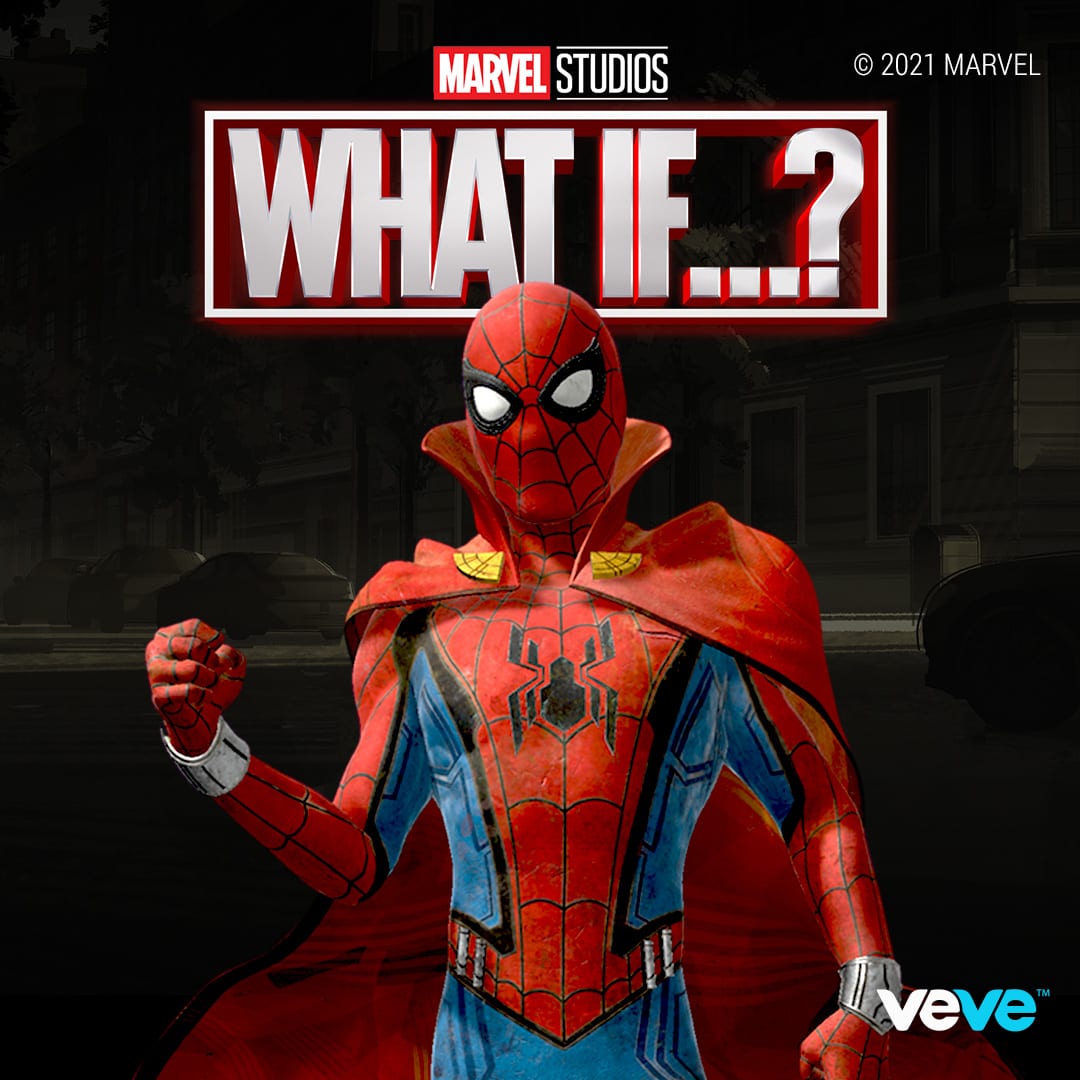
Zombie Hunter Spider-Man
The Spider-Man design is the strongest of the bunch, and the reason is structural. The suit is the most recognisable costume in comics. Every line of it is memorised by people who have never read a comic in their lives. So when you damage it, the damage registers immediately, without explanation.
The Zombie Hunter version leans into wear rather than pure decay. Torn, marked, clearly having survived something, and still standing. That is a more interesting read than a straightforward corpse, and it gives the piece a posture that works as a display item rather than a novelty. If you want to see where the standard suit sits in the wider line, the Spider-Man hub has the other versions.
There is a thematic joke buried in it too. Spider-Man’s whole deal is guilt over the people he could not save, so a Spider-Man moving through a world where he saved nobody is not a random pick. Kirkman understood that. So did whoever kept the concept going afterwards.
Zombie Captain America
Cap works for the opposite reason. He is the symbol of the thing, the flag on legs, the character whose entire function is to represent what should be defended. Undoing that gets a stronger reaction than undoing almost any other Marvel character, and the design knows it.
Cap’s zombie look is also the most famous single image from the original series, thanks to the state of his head, which I will let you discover rather than describe over breakfast. Fans who have never read the miniseries know that image. The Captain America hub has the traditional versions, and putting one of each in the same row is about as clean a demonstration of the horror variant idea as you can build.
It did not stay in comics
Marvel Zombies has since spread well past the page. Marvel’s animated What If…? devoted a 2021 episode to a zombie outbreak version of the Marvel Universe, which put the concept in front of an audience that had never picked up the 2005 miniseries, and animation has kept returning to it since. That matters for collectors in a practical way. Concepts with active screen presence keep generating new art, new designs and new interpretations, rather than sitting frozen at whatever the comics looked like fifteen years ago.
For a sense of how officially licensed character art gets made and why that matters for what ends up on a platform, the Marvel franchise page is a good overview of the scale involved.
Where to start
If you are building a horror row, start with one character you already collect rather than trying to assemble the undead Avengers in order. The variant lands hardest when you already own the clean version, because the contrast does the work for you.
Understand how series and edition tiers function before you go deep on any themed set. The rarity tiers guide explains the structure, which is worth knowing up front rather than three pieces in. And if villains are more your angle than heroes, the Spider-Man villains guide covers a category with a similar shape: recognisable designs, hard edges, and a natural pairing with the pieces you already own.
Start a free VeVe account if you want to look at the art properly rather than at thumbnails. New collectors get US$10 in credit toward a first piece, no card required, and the details are on the free credit page.
The thing nobody expected
The odd part of the Marvel Zombies story is that a parody outlived most of the comics it was parodying. Suydam’s covers are, for a lot of readers under forty, the version of those classic images they saw first. The rot came before the original. That is a strange kind of immortality, and it is a very zombie way to achieve it.