How to verify a digital collectible yourself
Verifying a digital collectible means checking four things: who issued it, whether they hold a real licence, whether the edition number and edition size are stated and consistent, and whether the ledger entry matches what the listing claims. A screenshot proves nothing, because anyone can mint an unauthorised copy of licensed artwork on an open marketplace.
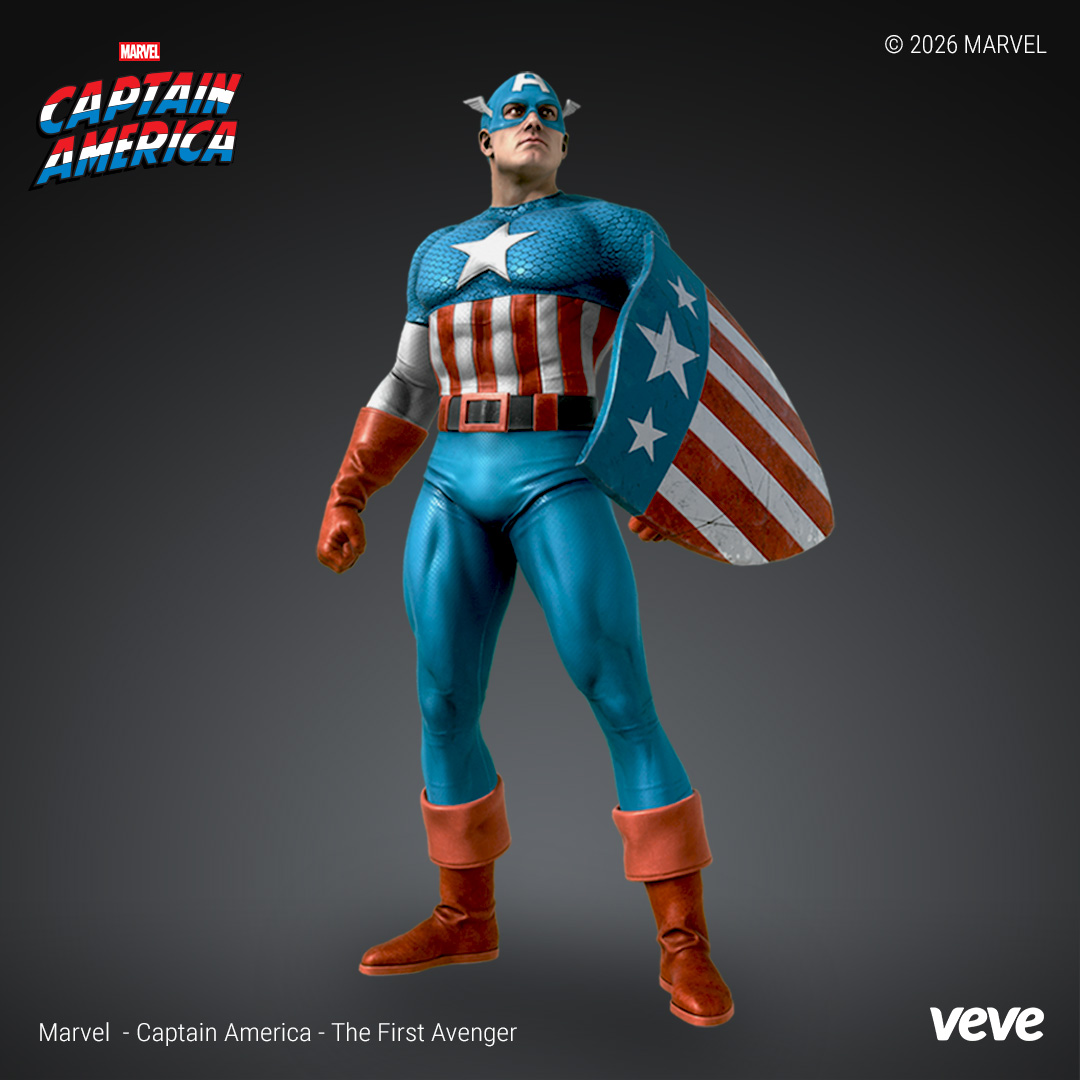
Verification sounds technical and mostly is not. It is the same skill a coin collector uses on a table at a show: check who is selling, check what the thing claims to be, check whether those two stories agree. The tools are different and the questions are identical. Here is the order I would work through them in, and roughly how long each takes.
Start with the issuer, not the artwork
The artwork is the least informative thing in any listing, because a picture of a character can be copied perfectly and instantly. Whoever made the listing had access to the same images as everyone else. So skip it.
The first question is who created the item, and the answer is a specific entity rather than a vibe. On a curated app, every release comes from the platform under a named licensor, and the release itself is the verification: there is no path for a stranger to insert a fake into a first-party drop. On an open marketplace, the creator is an account, and an account can be called anything. This is the single biggest structural difference between the two models and it is covered properly in the comparison of a curated app against an open marketplace.
If you cannot name the issuer in one sentence, stop there. Everything downstream depends on this answer, and no amount of checking the other boxes compensates for getting it wrong.
Then find the licence
Licensed collectibles carry the rights holder’s name because that is the point of the deal. Marvel, Disney, Lucasfilm and the rest are not shy about attribution, and they audit their partners, which is a quality check you benefit from without doing any work.
Unlicensed items are usually identifiable by absence. No named rights holder, no copyright notice, vague language about “inspired by” or “tribute” or “fan edition”. Sometimes the seller is upfront that it is fan art, which is honest and legal in many contexts, and which is a completely different product from a licensed Captain America release. The problem is the listings that leave it ambiguous on purpose. The piece on why official licences matter explains what the agreement actually obliges an issuer to do, which is more than most people assume.
A useful sanity test: would the rights holder’s lawyers be comfortable with this listing existing? If the obvious answer is no, you are not looking at a licensed item, whatever the description says.
Check the edition number and the edition size
Real limited editions state both numbers, and they state them consistently everywhere. Edition 412 of 5,000 is a claim with two halves and both halves should appear in the item’s own record, not only in the seller’s description.
Things to look at specifically. The stated total should match what the issuer announced at release. The individual number should be within that total, which sounds obvious and catches more sloppy fakes than you would expect. The rarity tier attached to the piece should match the tier the issuer actually used for that release, since tiers and edition sizes are set together. And the number should be visible in the item data itself rather than only written in text a seller typed.
If you want the background on why these numbers carry weight with collectors at all, what mint numbers mean covers the low-number and matching-number conventions that have carried over from physical collecting.
Read the ledger entry
This is the step people assume is hard and it is not. A public ledger is public. Anyone can look up an item, see the account that holds it, and see every transfer since it was issued, without permission and without an account of their own. That is what provenance on a blockchain means in practice.
What you are looking for is agreement between the listing and the record. The record should show an issuance from the issuer you expected. The current holder should be the account offering the item. The transfer history should be coherent rather than a chain of same-day hops between fresh accounts, which is a pattern worth noticing.
What the ledger cannot tell you is whether the issuer had any right to issue. A perfectly clean record of an unauthorised mint looks exactly like a perfectly clean record of a licensed one, because the chain records faithfully and does not judge. That is why the issuer question comes first and the ledger check comes fourth. The ledger confirms a story. It does not originate one.
A screenshot proves nothing
Worth stating flatly because it comes up constantly. An image of a collectible, an image of an app screen showing ownership, an image of a wallet, an image of a transaction: none of these are evidence of anything. Images are trivially faked and trivially reused, and screenshots of other people’s holdings circulate endlessly.
Verification is always a live lookup you perform, on a source the other party does not control. If someone offers a screenshot instead of a way for you to check yourself, that substitution is the finding.
The checklist
Run this before you agree to anything on a secondary market.
- Name the issuer. Not a brand impression, an actual entity.
- Confirm the rights holder appears, with the licence stated rather than implied.
- Confirm the edition number and edition size are in the item data, consistent with the original release.
- Look up the ledger entry yourself, on a source the seller does not operate.
- Check the current holder matches the person offering it.
- Check the transfer history reads like a collectible’s life, not a laundering pattern.
- Ignore every screenshot you are sent.
- If anything is urgent, discounted or pressured, close the tab.
That last point is where verification and fraud prevention meet. The social engineering side is its own subject with its own patterns, and rather than repeating it here, the scam guide has the full set. The two pieces are meant to be read together: this one is about checking the object, that one is about checking the person.
Where counterfeits actually come from
It helps to know the shape of the problem. On an open marketplace where anyone can mint, the standard counterfeit is not sophisticated. Someone takes official artwork, mints it as a token, gives the collection a name close to the real one, and lists it at a price low enough to feel like a find and high enough to be worth their time. The token is technically genuine. What is false is the implication that it came from the rights holder.
This worked well enough for long enough that open marketplaces built verification badges and takedown processes in response, and both help, and neither is complete. A badge is a claim by a marketplace, checked by staff, applied after the fact. It is much better than nothing and it is not the same as the item having been issued by the licensor in the first place.
Buying inside a curated platform removes that category of risk almost entirely, which is the main practical argument for the model, and the guide to buying second-hand covers what to watch for within one. Either way the habit is the same, and the habit is what protects you: check, then buy, in that order, every time. The glossary covers any term above that was doing more work than it explained.