How to Build a Themed Collection (Instead of Buying Everything)
A themed collection is built around a single organizing idea instead of buying whatever is available. Common frameworks include one character across every release, one series or franchise, a villains set, an army of troopers or variants of one design, and first-appearance comics. Constraints make collecting more enjoyable because they turn an endless catalog into a finite, satisfying hunt with a clear finish line.
Ask any physical collector with a shelf you actually want to look at, and they will tell you the same thing: the shelf got good when they stopped buying everything.
This is not a budget argument, although it is that too. It is that a collection without a shape is a pile. Twelve unrelated pieces from twelve unrelated franchises tell you nothing and give you nowhere to go next. Twelve pieces from one idea are a collection, and the thirteenth is obvious.
Digital collecting makes this harder, not easier, because the catalog is always open and the app never closes. So you have to impose the shape yourself. Here are five frameworks that work.
One character, every release
The simplest and probably the best starting theme. Pick a character, collect only that character, ignore everything else.
Characters accumulate interpretations. The same figure shows up across eras, art styles, costume variants, comic covers, and statue sculpts, and a shelf of one character in twenty forms is genuinely fascinating in a way a shelf of twenty characters is not. You are collecting a history, not a roster.
It also makes the hobby manageable. Your drop calendar shrinks to a handful of relevant dates. Your marketplace browsing has a filter. You stop having an opinion about drops that are not yours, which is a surprisingly large upgrade to your week.
Pick someone you would defend in an argument. Browse the characters pages and find the name you already care about, not the one that seems most popular. A theme you picked strategically will bore you by month three.
One series or franchise
A step wider. You collect within a franchise and let the variety come from the cast.
The appeal here is coherence. A shelf that is entirely one universe reads as deliberate even when the individual pieces are wildly different, because the shared world does the organizing work for you. It also gives you natural subprojects: the main cast first, then the supporting characters, then the vehicles and objects.
The risk is that a big franchise is nearly as endless as the whole catalog. If you go this route, add a second constraint. One era. One film. One creative team. The constraint is the point, and a theme you can never finish is not really a theme.
The villains set
My favorite framework, and underrated by almost everyone.
Heroes get collected by default. Villains get collected on purpose, which means a complete rogues gallery is a rarer and more interesting thing to own than another shelf of the hero. Villain designs also tend to be the more inventive ones, because a villain has to look like a problem and that gives designers room to go strange.
A rogues gallery has a natural finish line, which matters more than it sounds. You know who is in it. You can count them. Each acquisition is visible progress toward a defined set, and that feeling is most of what makes set collecting addictive in the good sense.
The difficulty is availability. Not every villain gets a release, and releases arrive on their own schedule. Watch the drop calendar and check the marketplace for older ones, and accept that some slots may stay empty for a long time. That is normal in every collecting hobby ever practiced.
The trooper army
Collect many copies or variants of one design, and display them as a group.
Star Wars collectors have done this with stormtroopers for decades, and anyone who has seen a shelf with thirty troopers standing in formation understands immediately why it works. One trooper is a figure. Thirty is an image. The repetition is the art.
Digital collecting is oddly well suited to this. Nothing has to fit on a physical shelf, AR display means you can stage a formation at scale in your living room, and mint numbers give each identical-looking copy an identity. A collector hunting sequential mint numbers of the same trooper is doing something you simply cannot do with plastic.
If this appeals, read what do mint numbers mean first, because number-hunting is most of the sport here and the marketplace is where it happens rather than on drop day.
First appearances
The comics framework, and the one with the deepest roots in the hobby.
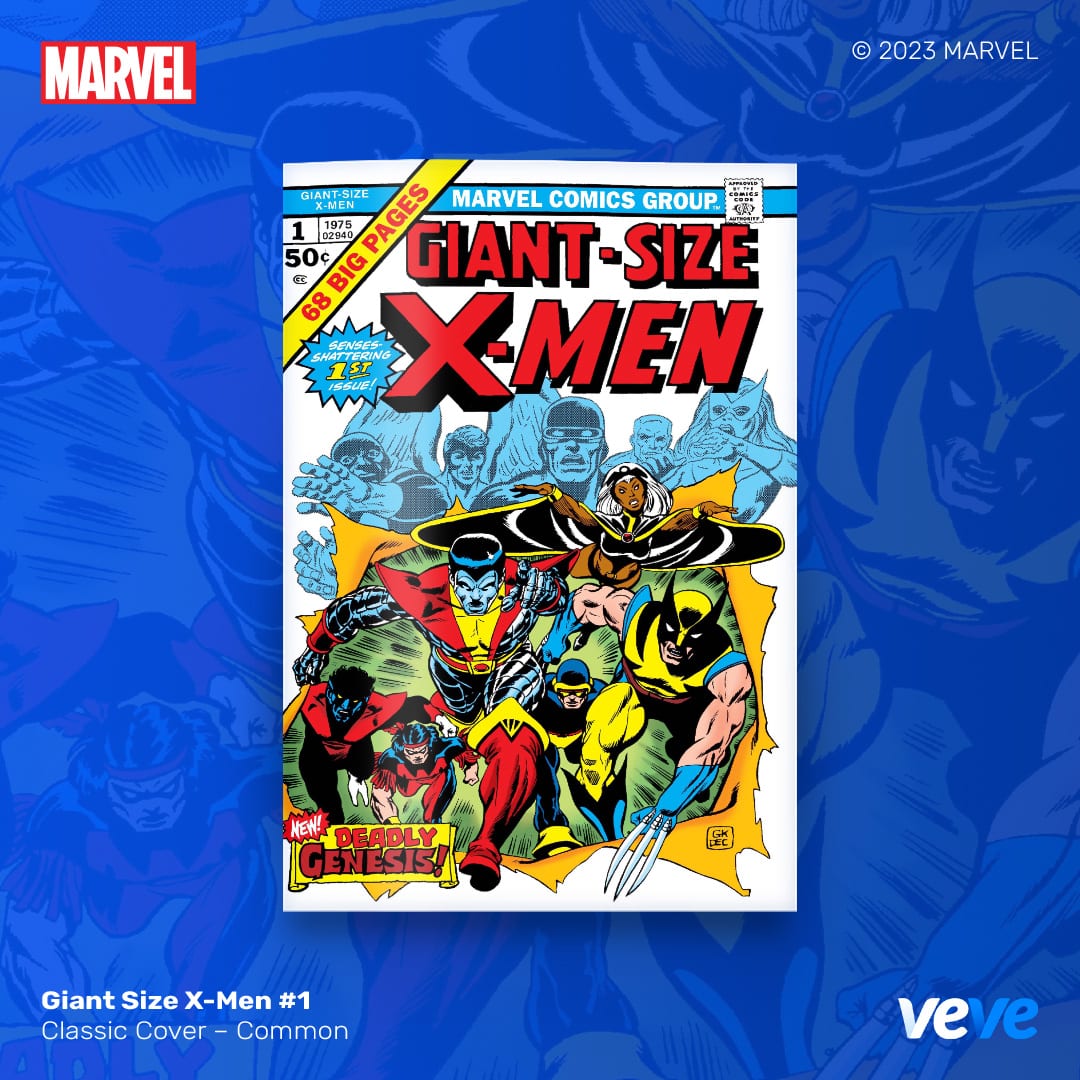
Collecting first appearances means chasing the issue where a character shows up for the first time. It is how comic collecting has organized itself for generations, and it gives you a collection where every single piece has a story attached. That matters at three in the morning when someone asks you why you own this.
VeVe’s comics catalog leans into landmark issues, which makes this framework unusually practical here. The comics hub covers key issues and why particular books carry weight. If you are new to reading in the app, how to read digital comics on VeVe covers the reader itself.
One honest caveat, and it applies to every framework on this list: you cannot plan a collection around a release that does not exist yet. Collect the issues that are actually available rather than building a wish list around things you assume will show up. Check the app for what is live.
Why constraints make this more fun
Here is the part that sounds backwards until you try it.
An unlimited catalog is exhausting. Every session in the app becomes a fresh evaluation of everything, with no criterion for choosing and no sense of progress. You buy something, and tomorrow there is exactly as much left to buy as there was yesterday. That is not collecting. That is shopping.
A theme converts the catalog into a checklist. Now most of the app is simply not your problem, and the small part that is your problem has a shape, a next item, and a finish line. Progress becomes visible. Missing a drop stops being a disaster, because your list is still your list and there will be another chance at that slot.
It also makes you a better shopper, which matters if you are collecting on a budget. When you know what you are after, you stop buying consolation prizes at moments of high adrenaline. Our budget guide goes further into that, and Commons are a perfectly legitimate tier to build a theme in.
How physical collectors have always done this
None of this is new. It is just what the hobby has always looked like when it is done well.
Card collectors chase complete sets and complete runs of a player. Comic collectors chase full runs of a title, or every appearance of a character, or every cover by one artist. Stamp collectors work by country and period. Coin collectors work by mint and year. The pattern is universal, because the pleasure of collecting lives in the gap between what you have and what completes it, and you cannot have a gap without a boundary.
Pick your boundary. Then go fill it.
If you want more on where these instincts come from, 150 years of collecting traces the line from tobacco cards to now, and the glossary has the vocabulary if any of the terms here were new.
Building Your First Themed Collection
Pick one theme, then buy the first piece in it. New collectors on VeVe get US$10 in free credit, no card required, which is enough to make that first acquisition a real one rather than a hypothetical. The getting started guide covers signup, and after that the only decision that matters is what your collection is about.