Avatar: The Last Airbender Collectibles on VeVe
VeVe has released Avatar: The Last Airbender figures including Aang, with a Waterbender variant, along with Katara, Sokka and Toph. The original series ran on Nickelodeon from 2005 to 2008 and is built around four bending nations, which gives collectors a natural framework for assembling a set.
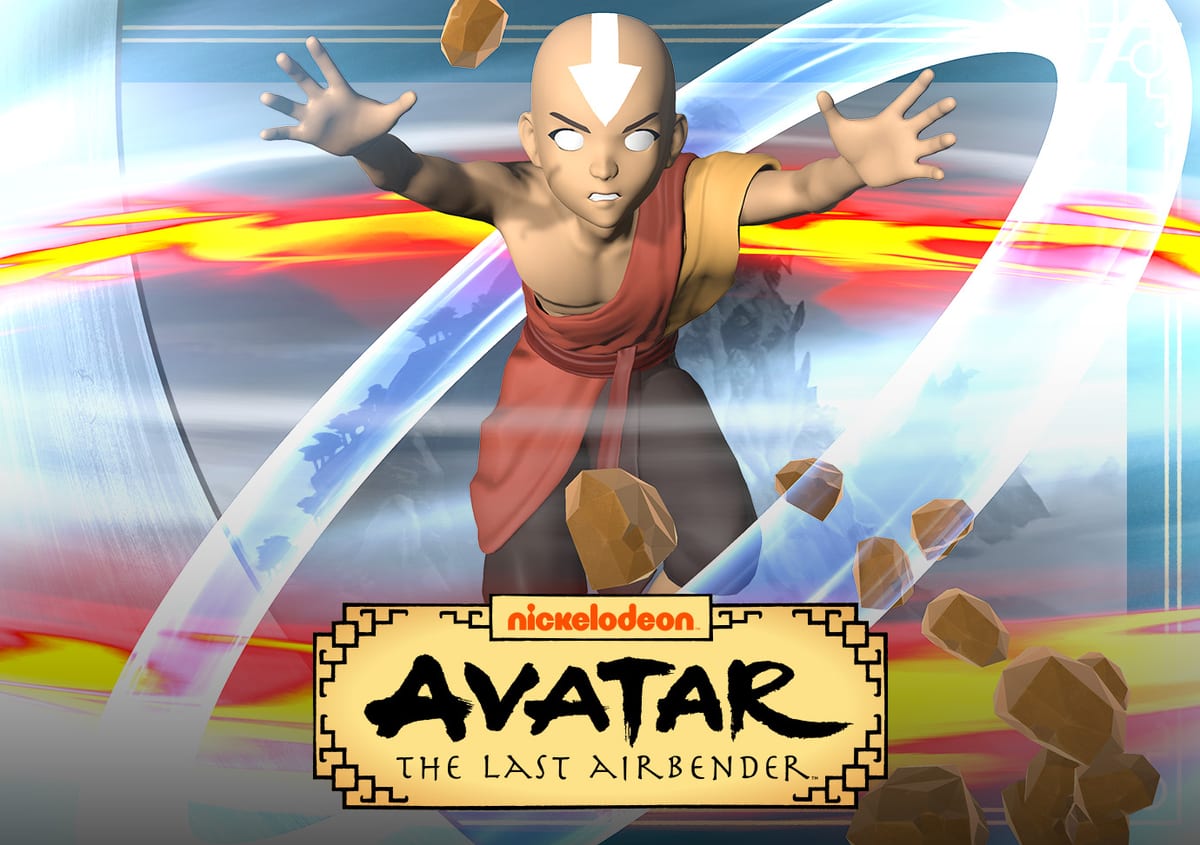
Avatar: The Last Airbender is one of the few shows where the people who watched it as children and the people who found it as adults agree completely about how good it is. That is rare. It usually goes one way or the other. The result, twenty years on, is a fandom with unusual range, and a collecting audience that is not only made of people buying back their childhood.
What the show is and why it stuck
It ran on Nickelodeon from February 2005 to July 2008, created by Michael Dante DiMartino and Bryan Konietzko, and it was structured as three books: Water, Earth and Fire. That structure is the first clue about why it worked. It was a finite story with an ending planned from the start, told across sixty-one episodes, at a time when American animation mostly did not do that.
The world is built on four nations, each with a bending discipline - Water Tribes, Earth Kingdom, Fire Nation, Air Nomads - and one person, the Avatar, who can use all four. The Fire Nation has spent a hundred years at war. The Avatar has been missing for all of it. Then two kids from the Southern Water Tribe find a twelve-year-old boy frozen in an iceberg.
What made it last was that it took children seriously. Genocide, occupation, disability, the cost of revenge, a villain’s redemption arc that runs the full length of the series and is earned rather than announced. It looks like a fun cartoon about a flying bison and it is, and it is also the most serious thing on children’s television that decade.
Netflix’s live action version arrived in February 2024 and put the whole thing back in front of a general audience, which is a large part of why the merchandise conversation restarted. Plenty of people who had never seen the original watched that, went back to the 2005 show, and are now the newest members of a twenty-year-old fandom.
Aang
The Avatar. Twelve years old, the last of the Air Nomads, and carrying the weight of ending a world war while also being, genuinely, a child who mostly wants to go penguin sledding.
Aang is the obvious first piece and the correct one. He is the centre of the story and the character the entire design language of the show radiates out from: the arrow tattoos, the orange and yellow robes, the staff. If you buy one Avatar collectible, buy this one.
Aang, Waterbender variant
The Waterbender version is the more interesting pick, and I would argue the better display piece.
The premise of the Avatar is that one person learns all four disciplines, in order, starting with water. Aang’s waterbending training with Katara through Book One is the spine of the first season. So a Waterbender Aang is not a costume swap. It is the specific story beat where the Avatar stops being a missing legend and starts actually doing the job.
Variants are also where collections get personality. Two versions of the same character, deliberately chosen because the second one means something, beats one of everybody. Browse the characters page to see what has appeared.
Katara
The waterbender from the Southern Water Tribe who finds Aang in the iceberg, and the reason the story starts at all.
Katara is the emotional engine of the show and the character with the clearest arc: from the last waterbender in her tribe, self-taught and frustrated, to a master. She is also the one who carries the show’s moral arguments most often, including the one about revenge that gives the series one of its best episodes.
For a collection, she is the non-negotiable second piece. Aang without Katara is half a story.
Sokka
Katara’s older brother, no bending at all, a boomerang and eventually a sword. Sokka is the show’s comedian and, quietly, its strategist. He carries the jokes for three seasons and then plans the invasion.
I have a soft spot for Sokka figures for a specific reason: in a franchise built entirely on elemental powers, the guy with a boomerang is the most human thing in it. Every ensemble needs somebody who is just a person, and displays work the same way.
Toph
Toph Beifong arrives in Book Two and rearranges the show. Blind from birth, the greatest earthbender alive, twelve years old, and completely uninterested in anybody’s opinion. She sees through vibration in the ground, she invented metalbending, and she has the best entrance of any character in the series.
Toph is the fan favourite by a considerable margin and she is the figure I would expect most collectors to want first even though she should logically come fourth. That is fine. Collections are not obliged to be chronological.
The four nations as a collecting framework
Here is the structural thing that makes Avatar unusually good to collect.
The show hands you a framework. Four nations, four disciplines, and characters who clearly belong to each. That gives you a display logic that does not depend on release order or on what happens to be available: air, water, earth, fire, with the Avatar sitting across all of them.
With Aang, Katara, Sokka and Toph you have air, water, the Water Tribe without bending, and earth. The frame tells you what your collection is missing, which is a much better way to collect than buying whatever surfaces next. Keep an eye on the drop calendar and the Avatar franchise page for what appears.
A few practical notes
Rarity tiers are worth understanding before you start a team set rather than after. Editions run from Common up through scarcer tiers, and a group of four assembled at matching tiers reads as one set while a mixed group reads as four purchases. The rarity tiers guide walks through it, and the glossary covers series and edition terms if any of the language is unfamiliar.
If the digital collectible side of this is new to you generally, what is VeVe explains the format, and the digital collectibles explainer covers how ownership and editions actually work under the hood.
One opinion to close on. Avatar collections benefit from restraint more than most franchises. The character designs are clean, the colour palettes are distinct by nation, and four well-chosen figures displayed together look better than a crowded shelf. Build the team, get the frame right, then add variants that mean something.
Collecting the Last Airbender Cast on VeVe
Start with Aang or with Toph, depending on whether you want the story or the fan favourite. New collectors get US$10 in free credit with no card required, which is enough to create an account and see how a figure looks in AR in your own space before spending your own money. Grab it on the free credit page, and the how to start guide has the setup steps.