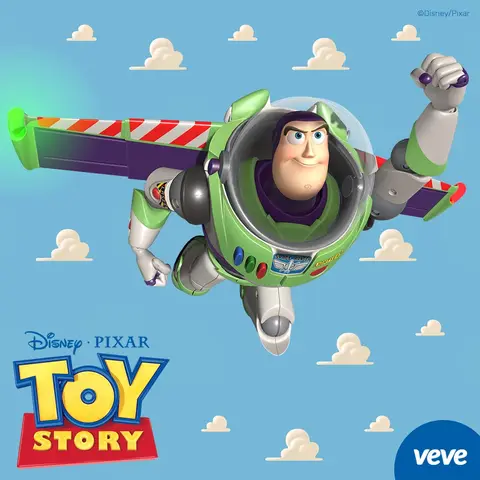
Buzz Lightyear
The toy that sold out before anyone could buy one.
The first feature film animated entirely with computers, and the toy shortage that followed is still a case study.
Affiliate partner link - we may earn a commission at no cost to you. New collectors get US$10 free credit; terms apply on VeVe's site. No card required. Full disclosure.
Why Buzz Lightyear matters to collectors
Buzz is a character about collecting, which makes him unusual in a collection. The entire joke of Toy Story is that he does not know he is a toy, and the film is built around what a toy is for. Then the real merchandise sold out so badly at Christmas 1995 that Disney had to issue certificates promising delivery later, which turned the fiction into a genuine retail event.
Key issues and milestones
- Toy Story (1995) - Pixar's first feature and the first fully computer-animated film released theatrically.
- The 1995 Buzz Lightyear toy shortage (1995) - Demand outran production so badly that Disney issued gift certificates for later delivery.
- Toy Story 2 (1999) - The sequel that turns directly on collecting, mint condition and the value of a sealed box.
- Toy Story 3 (2010) - Won the Academy Award for Best Animated Feature and closed out Andy's story.
He was called Lunar Larry during development, and the final name honours astronaut Buzz Aldrin, who has said he was never asked and found out like everyone else.
Collecting Buzz Lightyear through the years
Toy Story 2 is the rare film that is actually about the hobby: Woody is stolen by a collector, and the plot turns on whether a toy belongs in a box or in a child's hands. That has given the franchise an unusually self-aware relationship with its own merchandise. The 1995 shortage made early Thinkway Buzz figures a genuine period artefact, and sealed first-release examples with original packaging are what vintage-minded collectors look for. Pixar production art, maquettes and studio materials from the first film sit in the animation-art market rather than the toy market.
Buzz Lightyear on VeVe
VeVe has released Buzz as a Disney and Pixar Toy Story figure. The character suits the format well, since the wings, helmet and pose set are all built into the original toy design the film was based on. Disney and Pixar drops are officially licensed and scheduled in the app, with tiered rarities separating standard editions from a smaller premium sculpt.
A Disney and Pixar Toy Story figure release. Check the drop calendar for upcoming Disney releases - drops sell out in minutes, and reminders keep you ahead of them.
New to digital collecting? Start with what VeVe is and why first appearances are the rookie cards of comics.
Before you collect Buzz Lightyear
- Claim your free US$10 - new collectors start with credit toward a first piece, no card required.
- Is VeVe legit? - our honest review, including the parts VeVe would rather we skipped.
- How to start on VeVe - signup through first drop, step by step.
- Are VeVe collectibles worth it? - who genuinely enjoys this hobby, and who should pass.
Buzz Lightyear collector FAQ
Where can I buy Buzz Lightyear digital collectibles?
Buzz Lightyear digital collectibles release on VeVe through scheduled drops and the in-app marketplace. A Disney and Pixar Toy Story figure release.
What is Buzz Lightyear's first appearance?
Buzz Lightyear first appeared in Toy Story (1995). The first feature film animated entirely with computers, and the toy shortage that followed is still a case study.
Are Buzz Lightyear collectibles on VeVe officially licensed?
Yes. Every Disney collectible on VeVe is produced under official license with the rights holder - that licensing is the core difference between VeVe and unlicensed NFT projects. More on licensed vs unlicensed.
Are Buzz Lightyear digital collectibles NFTs?
Technically yes - VeVe collectibles are NFTs recorded on blockchain for provenance. In practice they work like licensed digital collectibles: bought in-app with a custodial wallet, no crypto knowledge needed. How VeVe NFTs actually work.